Bringing sustainability into coastal design

What does your role involve?
A day in the life of an Environmental Consultant at Haskoning for me includes environmental impact assessment, data management and analysis, sediment and water quality work, reporting, and low-level project management.
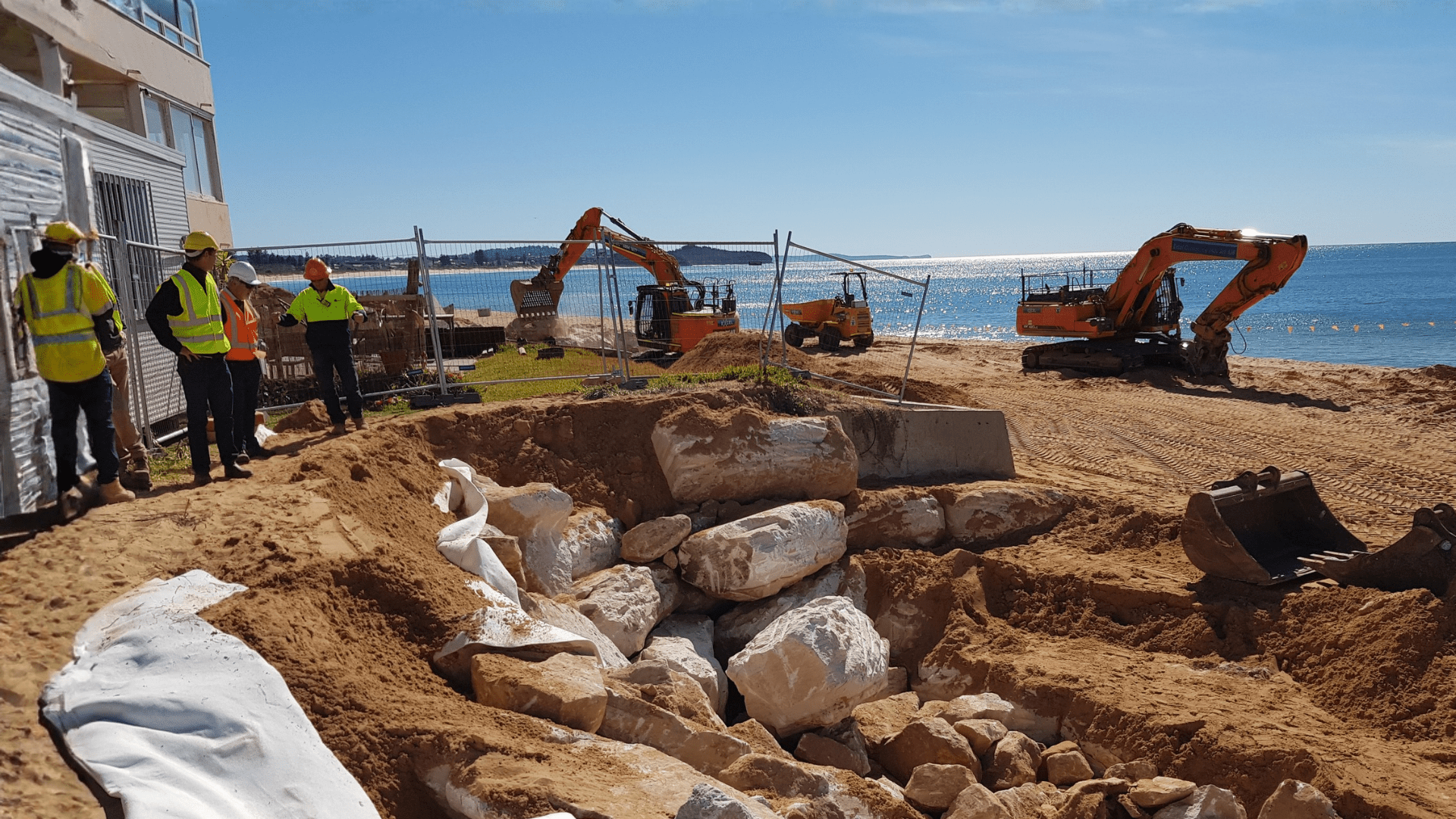
Part of our work is delivered within the environment team, while another part involves supporting the Coastal, Rivers and Maritime engineering team. This includes design work that requires specialist environmental input during optioneering and development, as well as environmental approvals work.
We call this ancillary work, and it has been a core part to our Haskoning business in Australia for some time. Excitingly, the team is looking to grow and transition into a more independent team covering environmental planning, climate adaptation, environmental and social impact, and sediment and water quality.
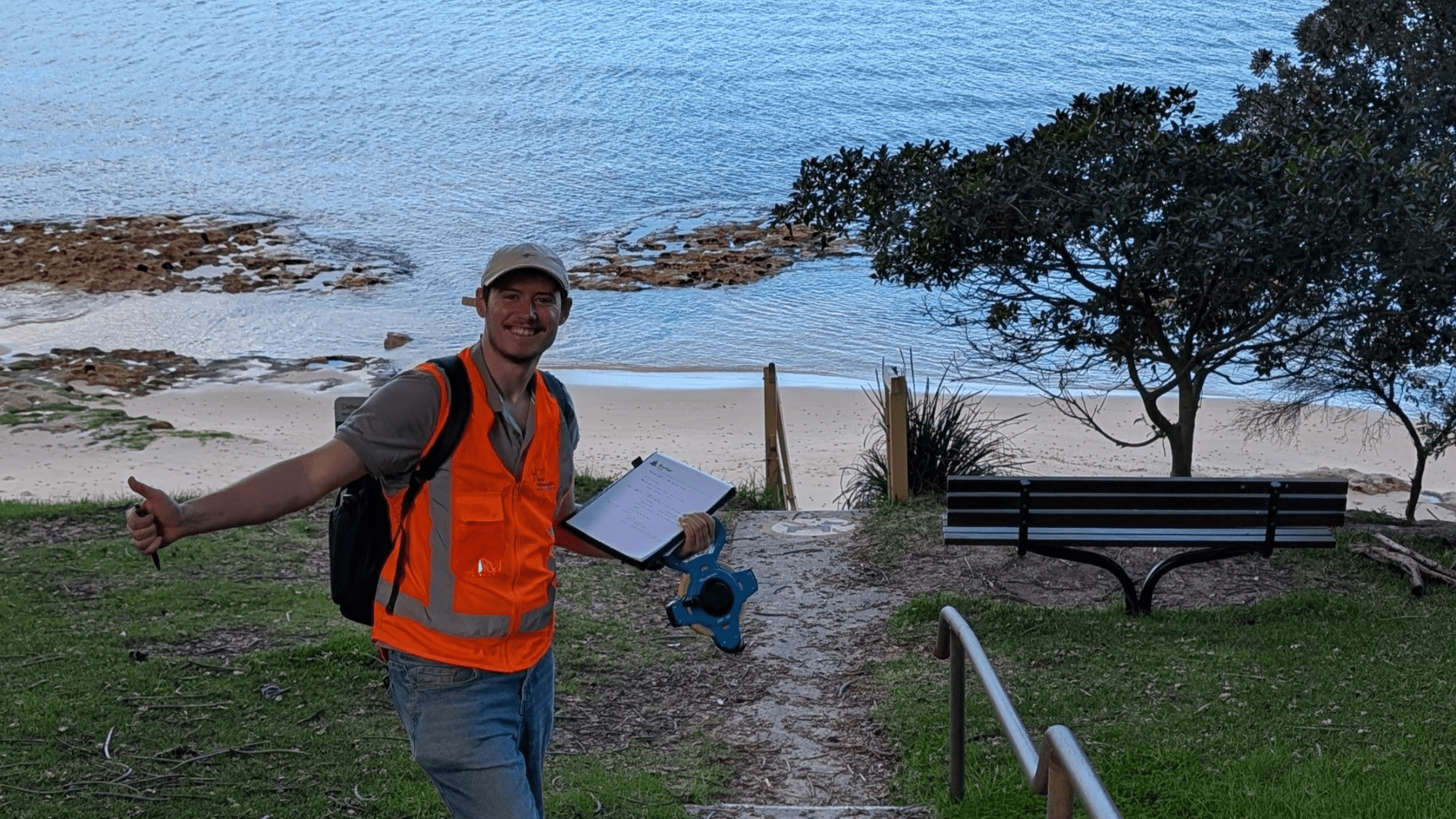
I worked on the environmental modelling and estuary management of Lake Cathie on the Mid North Coast of New South Wales. Over a 12-month period, I supported the modelling team with water quality, sediment and hydrodynamic data collection, including tidal currents and water levels.
The project reminded me how lucky I am to work in such beautiful locations and encouraged me to continue pursuing water quality monitoring work. It also taught me to quickly adapt to new equipment in the hydrodynamic data collection and basic survey space, and to problem-solve when things did not go my way in the field.
It also exposed me to the lifecycle of an estuary management project, from data collection and modelling through to some involvement in estuary management. Lake Cathie is an Intermittently Closed and Open Lake or Lagoon (ICOLL) that has several stakeholders with sometimes conflicting interests. These include keeping it open to the ocean to allow tidal flushing and enhance its recreational amenity, or allowing it to follow its natural cycle of intermittently closing for environmental and ecological benefit.
It was valuable to be on the periphery of sensitive management discussions that mean a lot to the community.
Environmental input is most valuable when it helps shape better decisions and design, creating lasting benefits for both communities and the environment.
15 voices: the people behind our success





15 insights for the future of engineering