Enabling net zero value chain: Scope 3

Scope 3 emissions reduction strategy
Addressing Scope 3 emissions is vital in your decarbonisation and sustainability journey, but it requires collaboration throughout the entire value chain.
Upstream decarbonisation of your value chain may include: supplier management programmes to manage the carbon intensity of purchased good and services and to optimise your upstream logistics. Downstream decarbonisation however may include: waste management in operations, downstream distribution and last-mile distribution, the use of sold products, and their end-of-life management.

Where industry hurdles meet expertise
Helping you overcome important industry challenges

Procurement sustainability and supplier management
We help you reduce Scope 3 emissions in your value chain, by addressing the procurement of goods and services and by helping you implement supplier management systems. We offer supplier engagement programmes, to structure the emission reporting of your suppliers and to allow you to drive CO2 reductions, leading to green procurement.
Green Public Procurement (GPP) – including circular – procurement standards are increasingly used by governments to seek the procurement of goods, services and works with a reduced environmental impact throughout their life cycle. We help you with the implementation of such standards in your projects, buildings, or manufacturing and packaging processes.

Transport and logistics
Optimisation of logistics can significantly reduce your value chain emissions. We help you reimagine your supply chains to realise efficiency gains and increase resilience. Benefit from our strong analytical tools and predictive modelling, to reduce emissions on upstream logistics of bulk materials and components, to the downstream distribution of your products and last mile delivery.
Decarbonisation of supply chains may include changing transport modalities, fuel shifts, and the electrification of vehicles. We can help you to make actionable business cases for the investment in sustainable supply chains, together with your upstream and downstream partners.
Waste from own operations
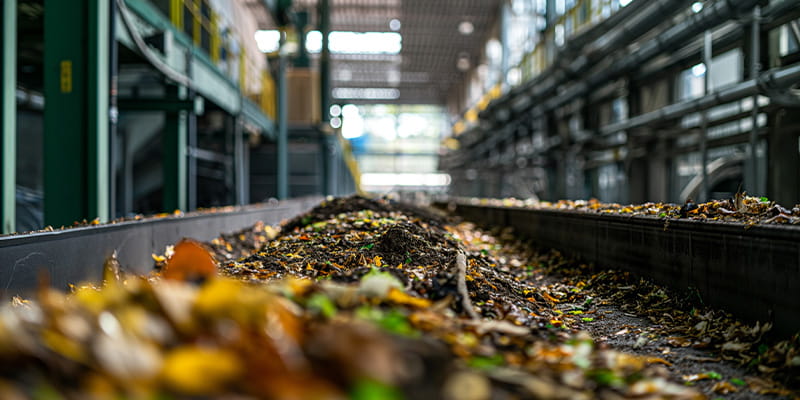
Waste from your own operations is also part of the Scope 3 emissions challenges, therefore we help you with waste management strategies to reduce waste, to feed it back into production, or to find new and value-adding use cases for your waste.

Track & trace
Make your sustainability claims and scope 3 emissions reporting more credible through solid guarantees of origin of the materials in your products. Mass balancing approaches, increasing shares of biobased or circular material use, while at the same time allowing you to promise safe and sustainable final products.

Use of sold products
The use phase may represent significant emissions in the life cycle of a product or asset. We help you with energy efficiency improvements, end-user behaviour programmes, and lifetime extension options. Repairability, recyclability, or other design measures that increase the lifetime, will help you to reduce the impact of your products or assets.
End-of-life of sold products
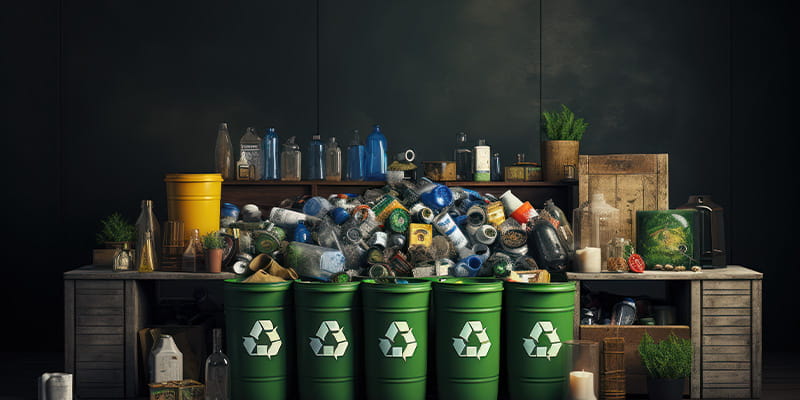
Governments and consumers increasingly demand producer responsibility for the circular end-of-life management of products or assets. We offer decommissioning plans, circular economy and scope 3 emissions reduction strategies for the optimisation of collection and separation of waste, increasing the retention of value of your materials. We can also support you to recycle the waste and create the most added value.
Journey to Net Zero: how can my manufacturing operation comply?
- Discover a proven four-step process to achieve your sustainability targets while optimizing costs.
- Learn how to set local targets, analyze scenarios, and make data-driven financial decisions for impactful investments.
- Benefit from Haskoning's holistic approach to secure best-value sustainability investments and future-proof your business.
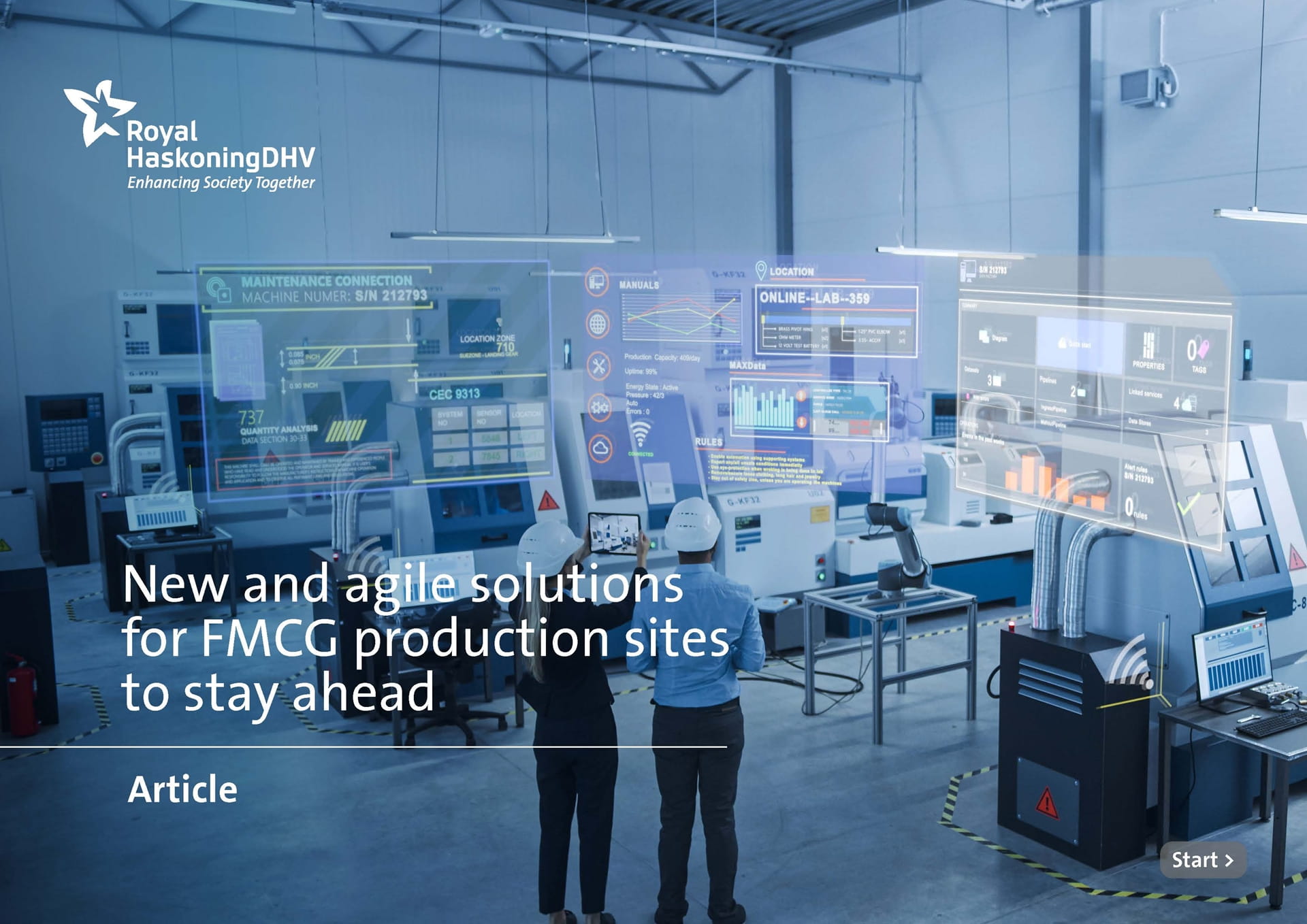 Article
New and agile solutions for FMCG production sites to stay ahead
Learn how you can leverage innovative technologies and agile methodologies to enhance operational efficiency and responsiveness in FMCG production. The article discusses bespoke digital solutions, smart manufacturing processes, and data-driven decision-making as key strategies to stay competitive.
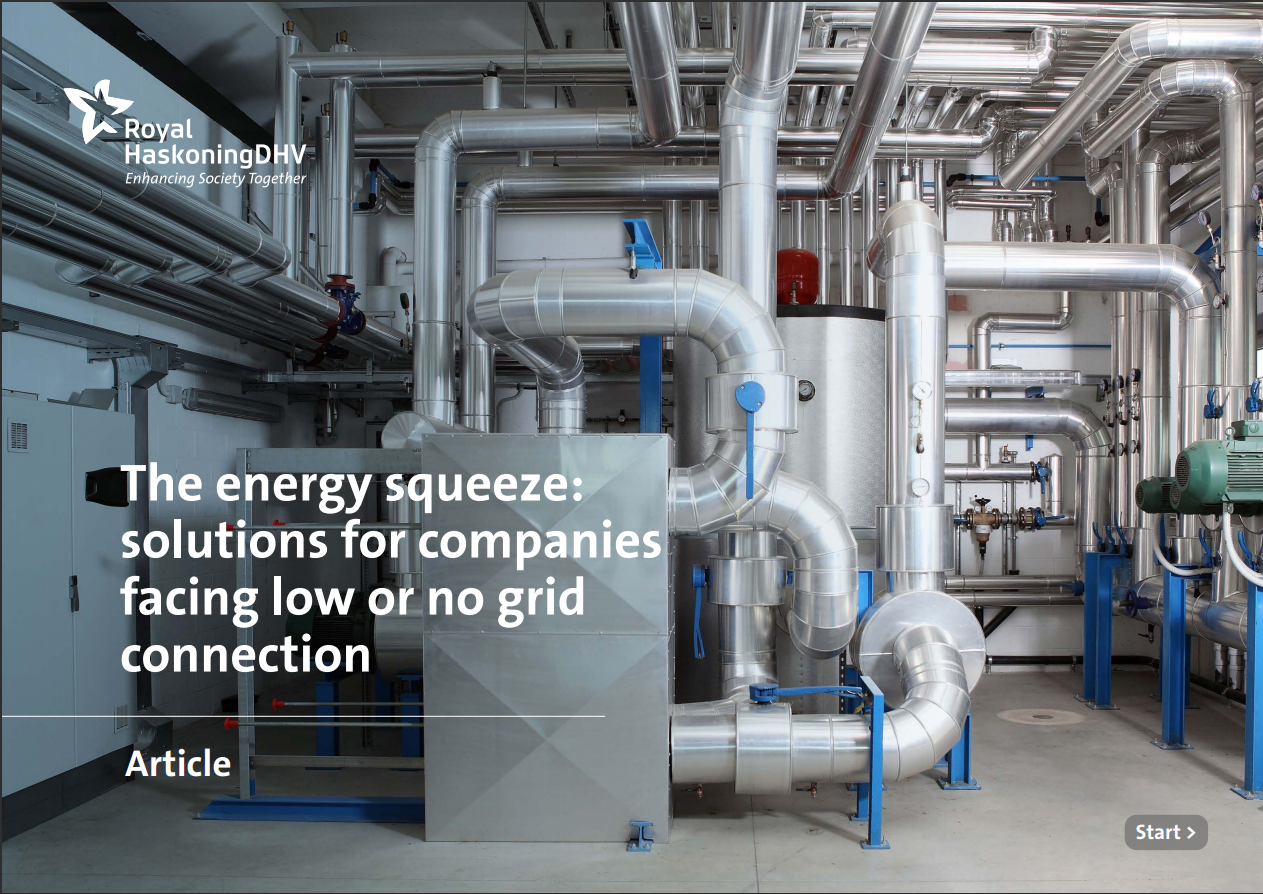 Article
The energy squeeze: solutions for companies facing low or no grid connection
Manufacturing and industrial companies are discovering grid supply may not be available to meet electricity needs at new or expanded facilities. How can you ensure the energy squeeze does not delay or inhibit your growth?
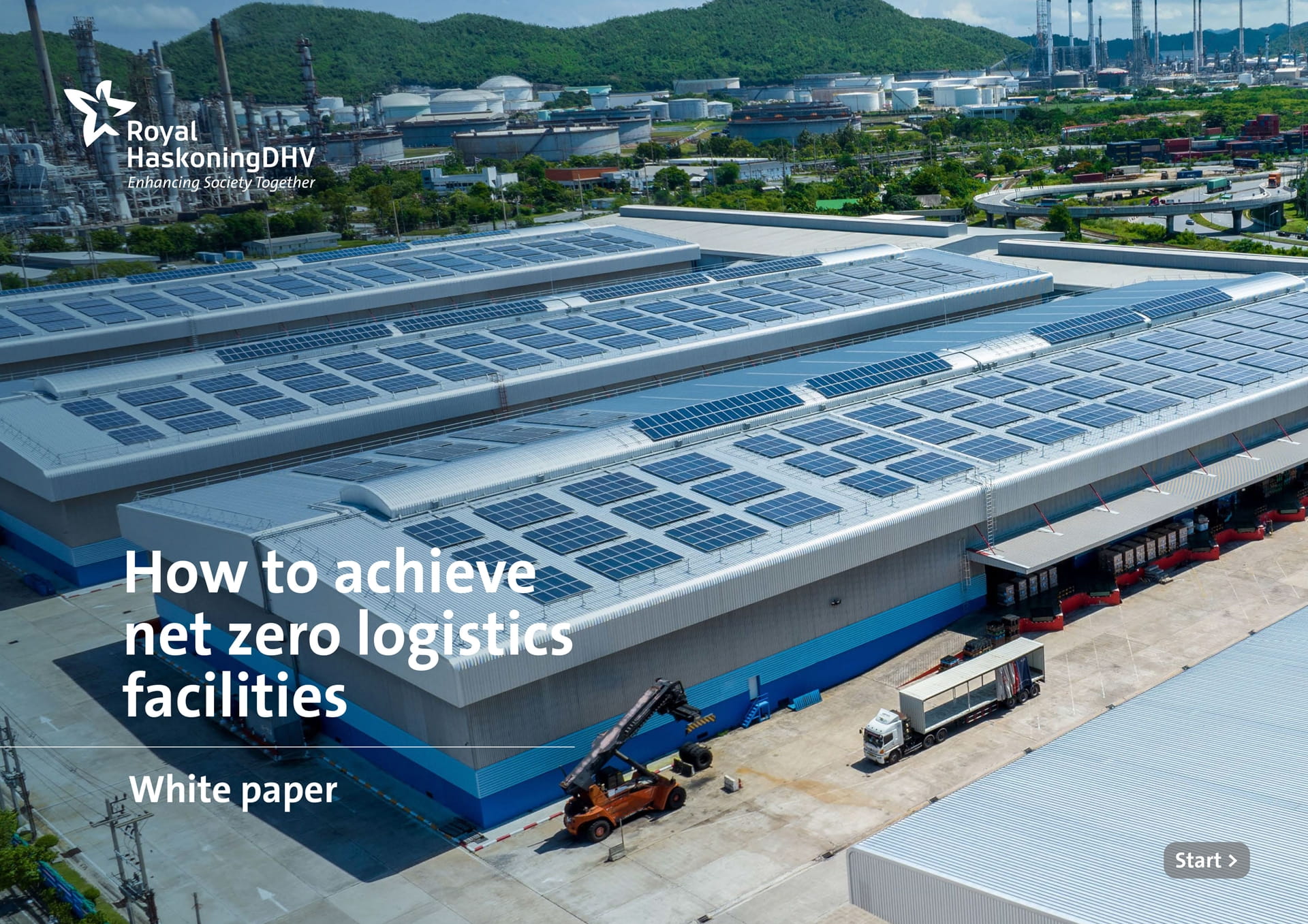 White paper
How to achieve net zero logistics facilities
Learn how integrating sustainable practices in logistics can boost efficiency and resilience amidst market volatility and economic uncertainty. The article highlights the benefits of transitioning to eco-friendly solutions, including long-term cost savings and compliance with evolving environmental regulations.
Way of working

Project definition
Business case & feasibility

Concept development

Engineering
Engineering, Cost engineering & project management: integrated basic and detailed design

Execute & build

Project definition
Business case & feasibility
Concept development
Engineering
Engineering, Cost engineering & project management: integrated basic and detailed design
Execute & build
Why clients work with Haskoning?
At Haskoning, we aim to 'Enhance Society Together' with our clients. By working closely with your team as an extension of your organization, we gain a deep understanding of your specific goals and priorities. This ensures that our solutions are meticulously tailored to your business needs and challenges.
Leadership in innovation

Sustainability expertise

Local and global expertise

Advanced technological integration

Strategic partnerships

Resilience and adaptability
What it all comes down to
Ultimately, our goal is to facilitate impactful sustainability journeys – ensuring that your business doesn’t just survive but stays ahead in an era of tightening regulations and evolving market demands.
If you are looking to redefine what’s possible in industrial manufacturing, together, we can pave the way to a more sustainable, productive, and prosperous future.

Solutions for industry



Always up-to-date on latest industry insights?