Predictive simulation for offshore wind
For when static spreadsheets hit their limit
Traditional planning relies on static models that assume average scenarios. But in offshore wind projects, success is dictated by a wide range of dynamic variables that spreadsheets can’t cope with. These include:
- Weather and tides: How do fog, heavy winds or daylight restrictions affect delivery windows?
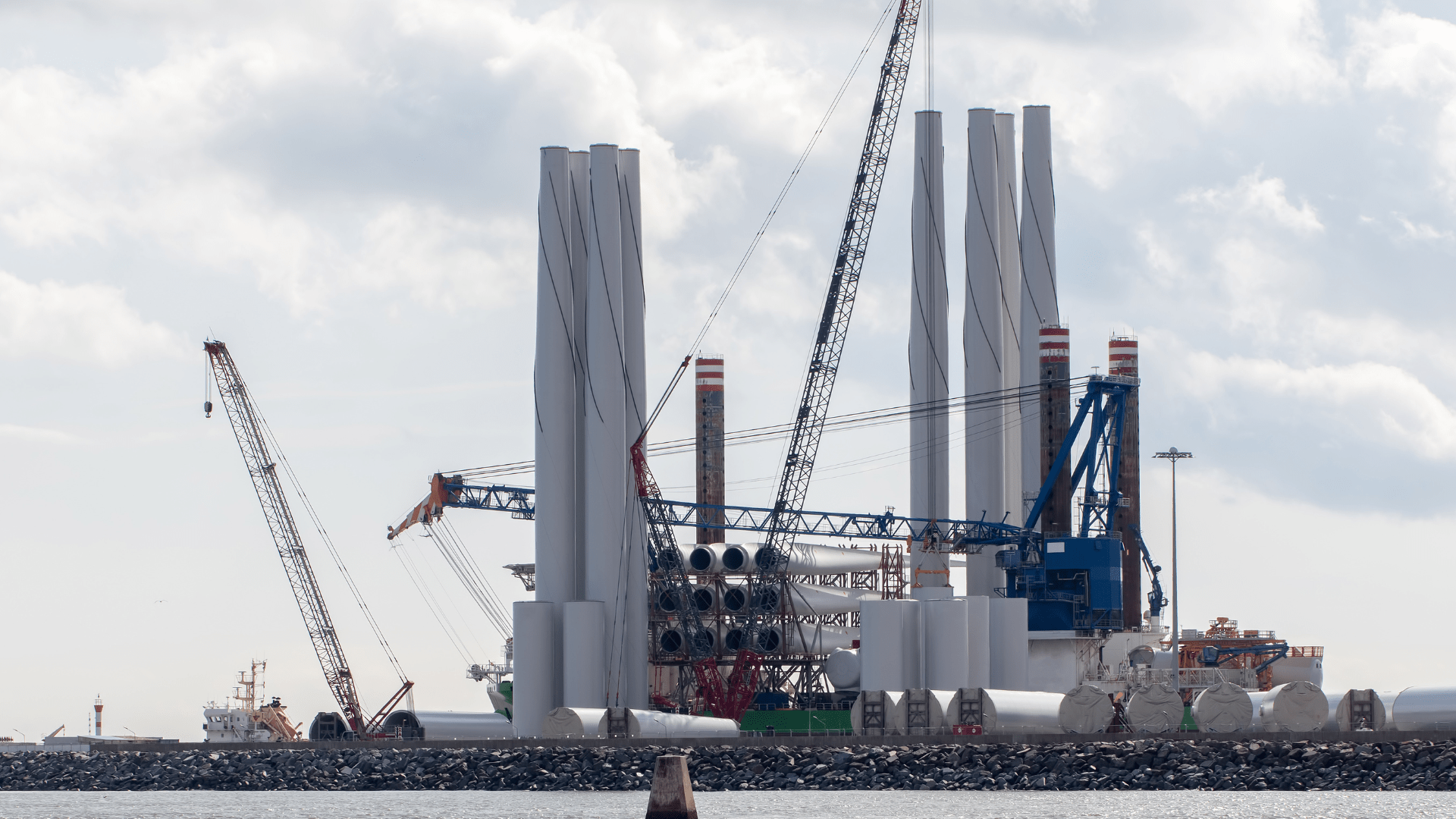
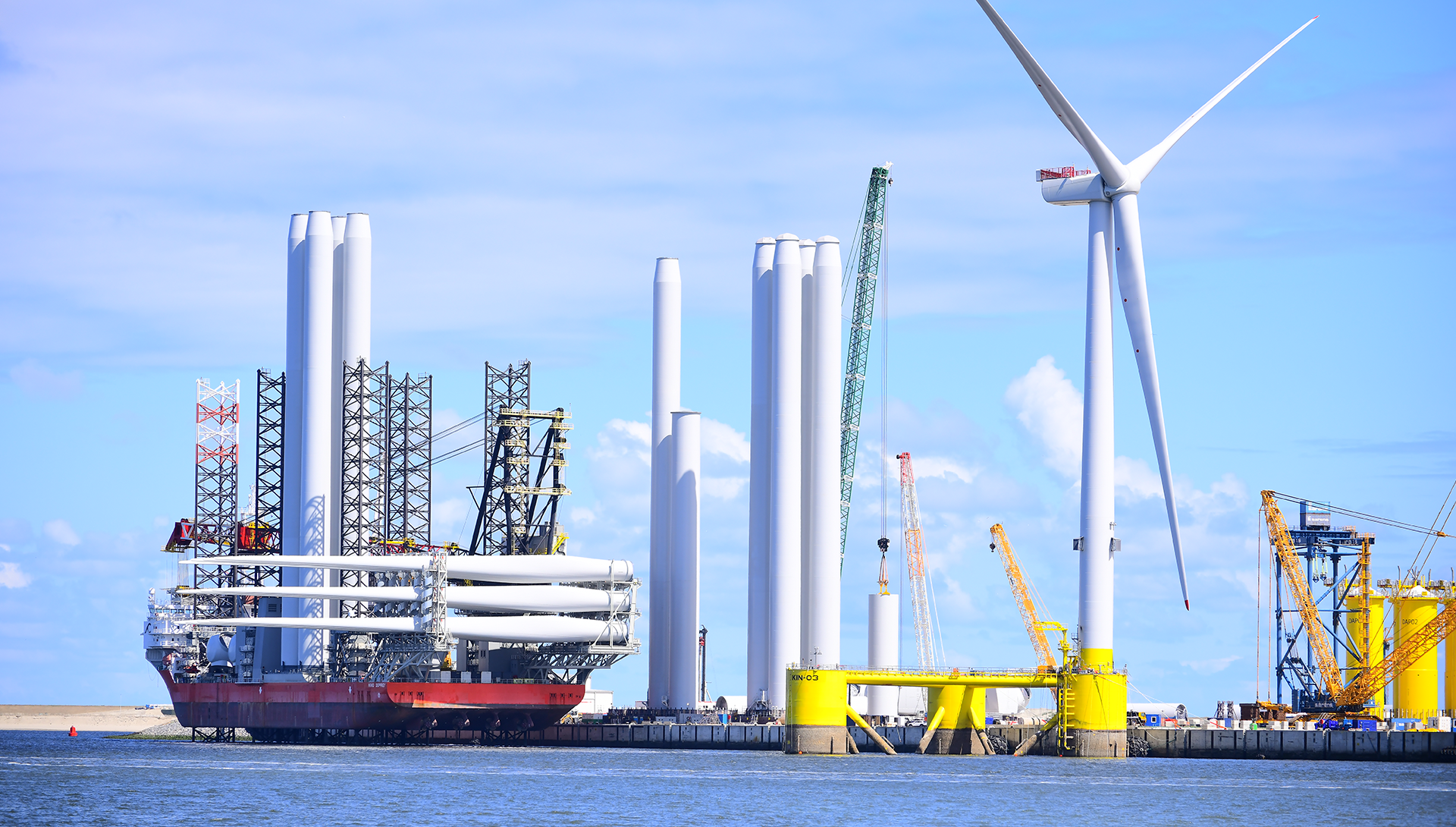
- Infrastructure bottlenecks: Does a port have enough capacity to meet requirements? Can it truly handle the assembly of football-pitch-sized substructures?
- Supply chain volatility: Will an equipment failure or a power shortage in a manufacturing facility cascade into months of project delays?
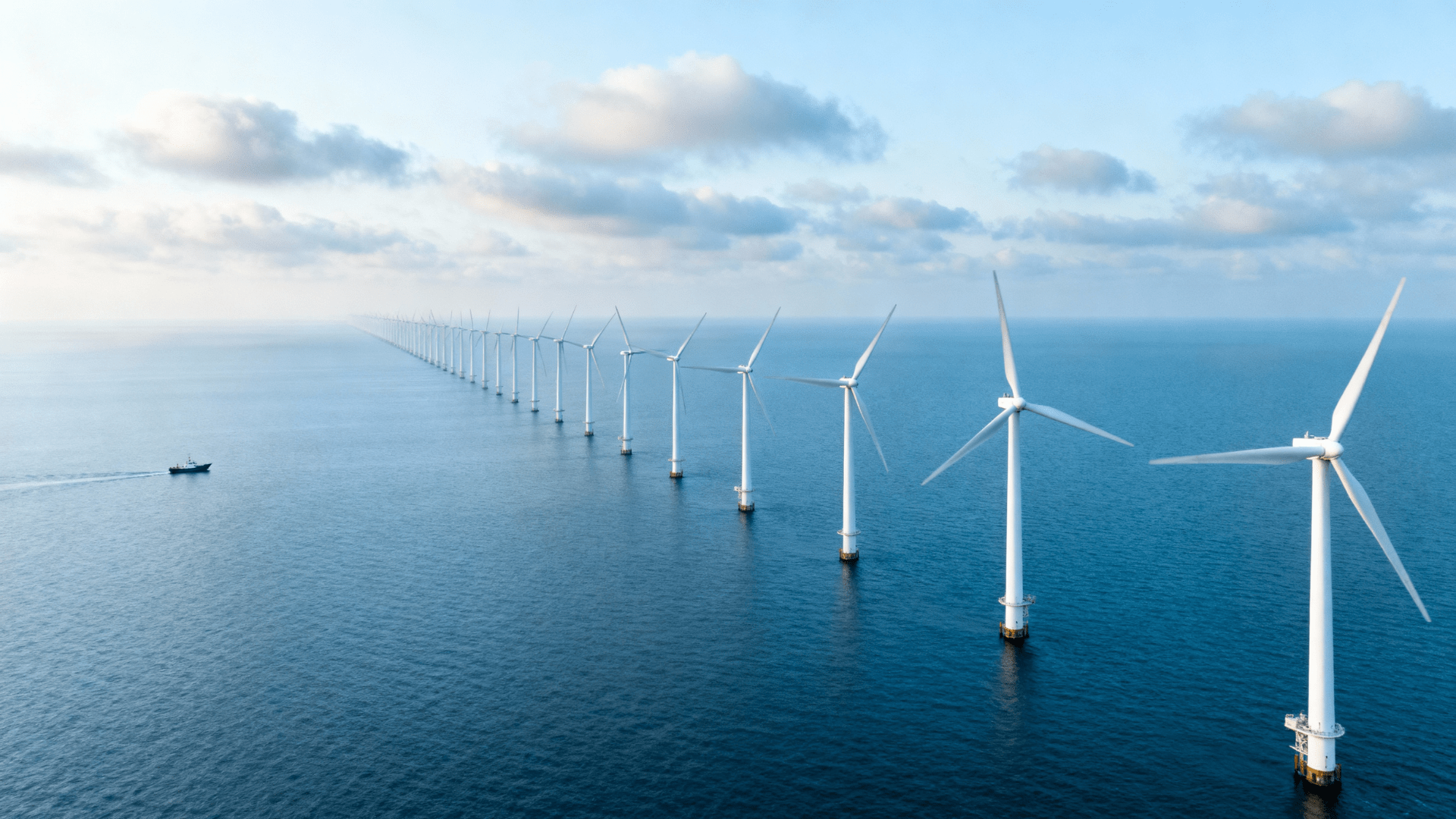
A project may seem entirely feasible during planning, yet real-world factors can lead to unexpected capacity challenges. Predictive simulation helps turn ‘what-if?’ into ‘know-how’ by factoring in actual variability and uncertainty, offering a clearer picture of project requirements and risks.
Where maritime DNA meets advanced simulation capabilities

Deep domain expertise

Cutting-edge software

End-to-end capabilities
How we help
Port planners
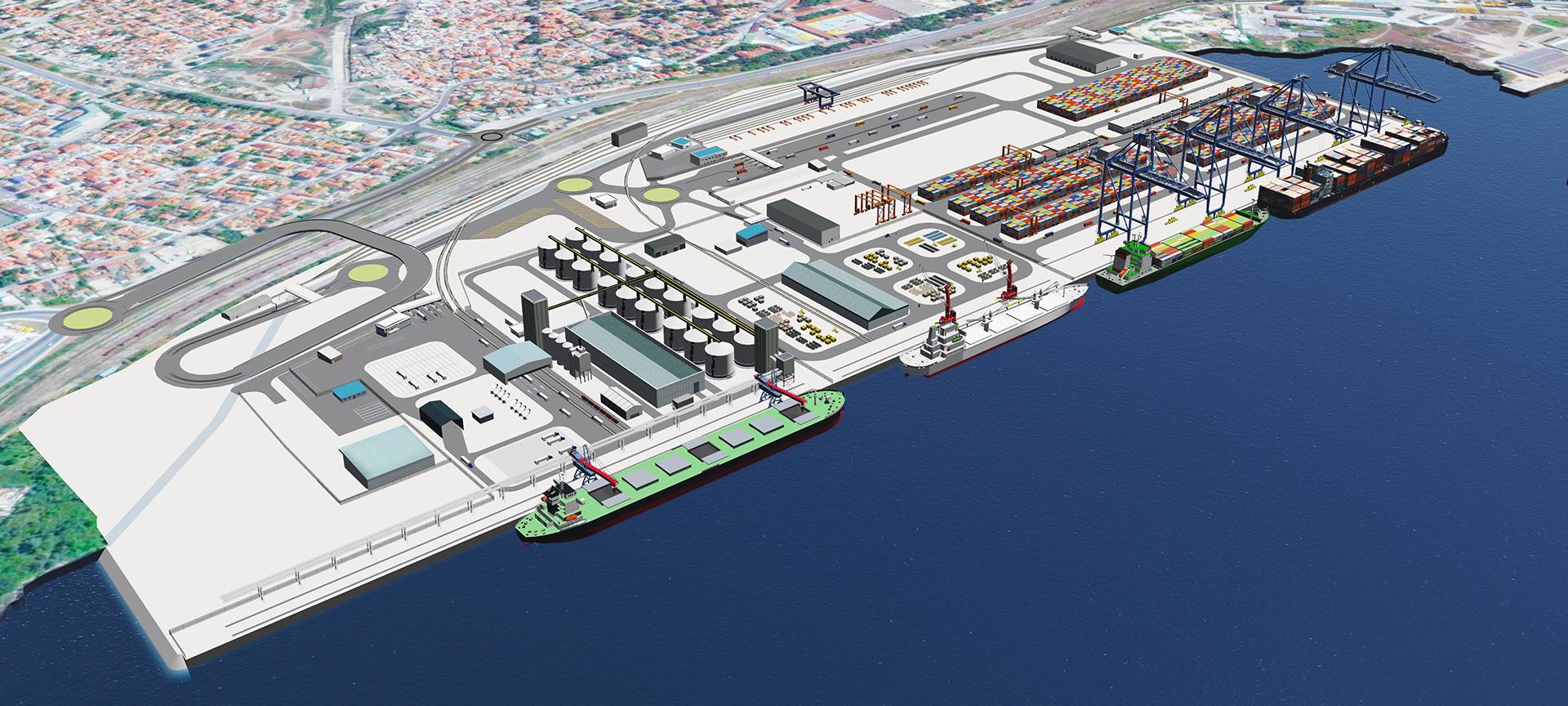
Can a port support offshore wind projects alongside existing operations?To answer that question, you have to account for everything from weather and daylight restrictions to the impact of delays on berth availability and storage capacity. We develop dynamic simulation models that map vessel movements, channel access, berthing space and more to give you an accurate view of future capabilities.
Predictive simulation allows port planners to test different operational strategies, assess resilience under extreme weather scenarios, and identify bottlenecks before they compromise project delivery.
By visualising how capacity, demand, and resources interact, you can make informed infrastructure investment decisions, support stakeholder alignment, and position your port as a reliable hub for large‑scale offshore wind deployment.
Developers
Which port (or combination of ports) is best placed to support your offshore wind project? How can you tell if it can provide the access and facilities needed to meet your requirements?
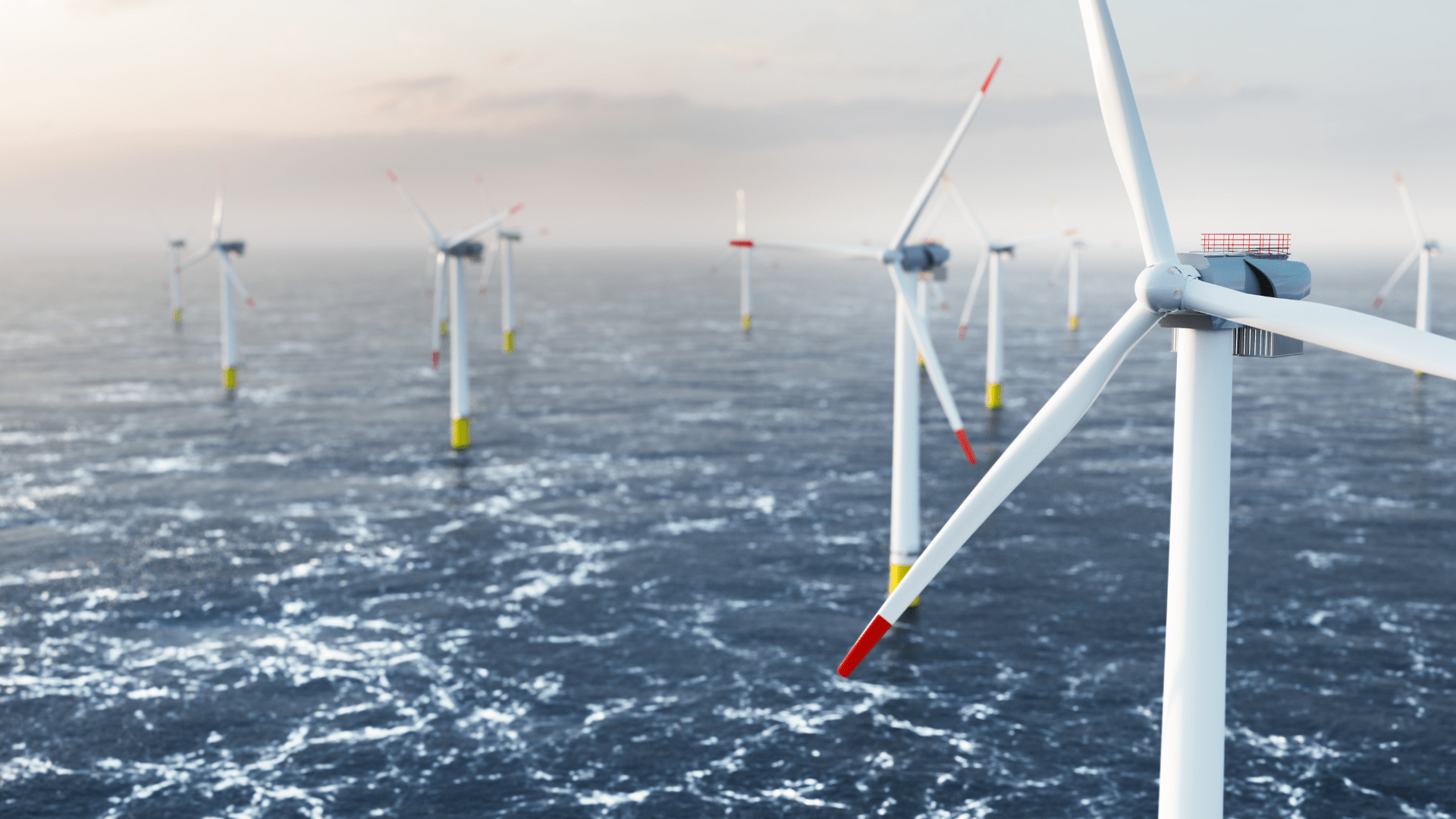
Predictive simulation gives you the power to test ‘what-if’ scenarios across the project lifecycle, providing an evidence base for comparing options, planning investment, and aligning stakeholders. Beyond simply identifying suitable ports, simulation helps developers understand how weather constraints, vessel availability, and infrastructure bottlenecks influence project timelines and budgets. This is particularly useful for seasonal working windows where risks of over-run into the next season need to be accurately understood. It also lets you assess phased deployment, optimise logistics under uncertainty, and gauge the benefits of shared infrastructure.
By replacing assumptions with data driven insight, you can de risk decisions, secure investor confidence, and accelerate delivery of your offshore wind ambitions.
Manufacturers
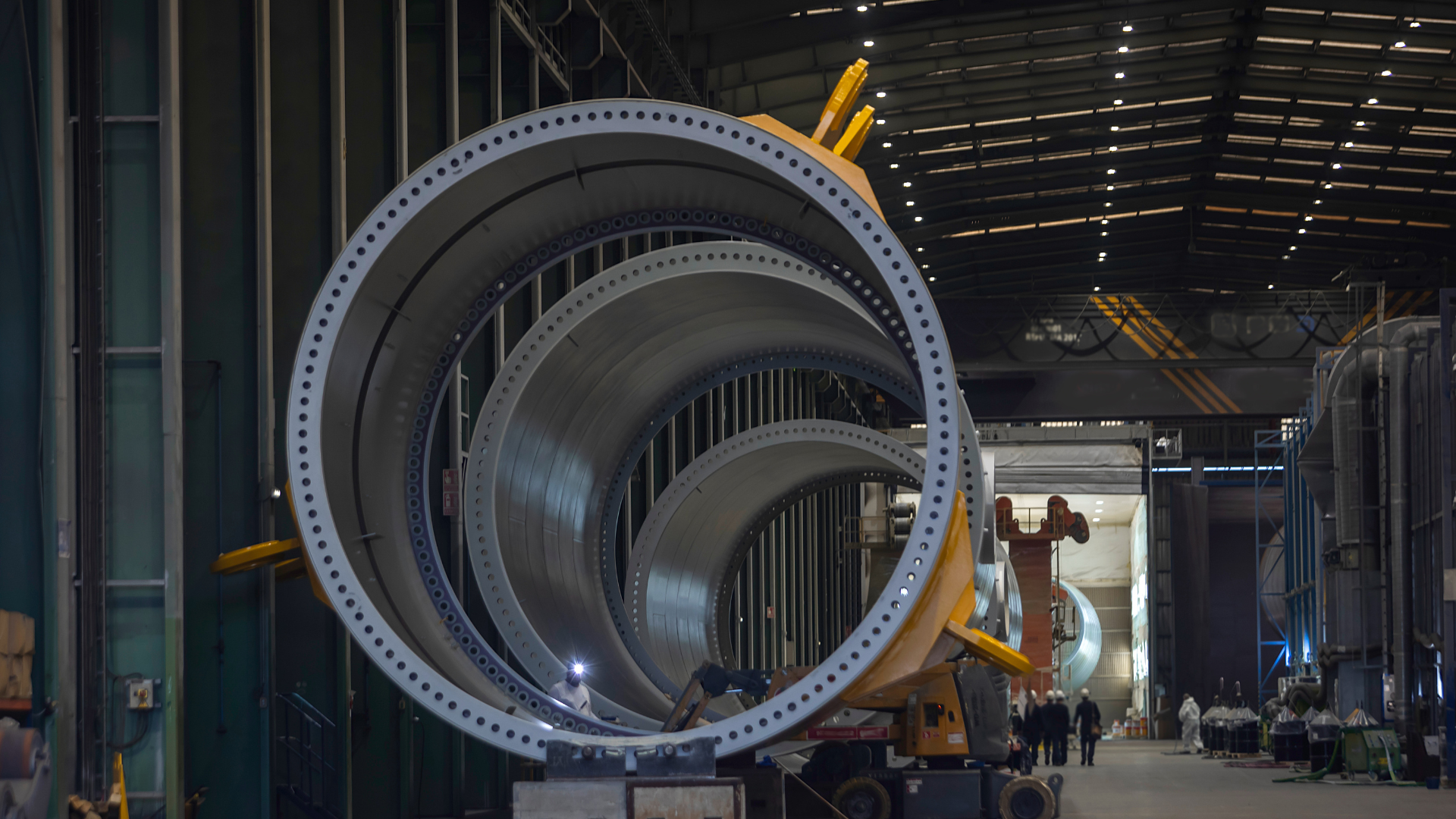
Will your internal and external supply chains cope with demand? Do you have the right balance of space, equipment and manpower to achieve your throughput target? And what happens when something goes wrong?
We help you optimise layouts, identify hidden bottlenecks, and validate capex decisions in a risk-free environment, so you can maximise return on investment decisions and give confidence to customers.
With predictive simulation, manufacturers can proactively assess the impact of supply chain disruptions, such as material shortages or equipment failures, and develop robust contingency plans. This approach also enables continuous improvement by allowing you to test process changes virtually before implementing them on the shop floor. Ultimately, it supports smarter, data-driven decisions that enhance operational resilience and long-term competitiveness.

Governments and regulators
Can you actually deliver offshore wind capacity at the pace and scale needed to meet net-zero goals?Predictive simulation gives you a clear, data-driven understanding of how an offshore wind ecosystem will perform under different policy, investment, and deployment scenarios. It allows you to test the impacts of regulatory choices, such as permitting timelines, infrastructure funding, or coordinated port development, before they are implemented, reducing uncertainty and improving strategic alignment.
By modelling interactions across ports, vessels, supply chains, and workforce capacity, simulation pinpoints bottlenecks and highlights where interventions will have the greatest impact. These insights help governments and regulators design robust policies, de-risk public investment, and accelerate the delivery of renewable energy with greater confidence. And by strengthening conditions for timely deployment, these policies also stimulate regional economic growth by creating skilled jobs and advancing clean-energy industries.
De-Risking Offshore Wind
In our recent webinar we explored how predictive simulation transforms uncertainty into opportunity, offering actionable insights to streamline planning, reduce risk, and accelerate success.
Watch this on-demand webinar to uncover how digital tools are shaping smarter approaches in offshore wind development.

Simulating Scotland's offshore wind future

Discover more of our services and technology
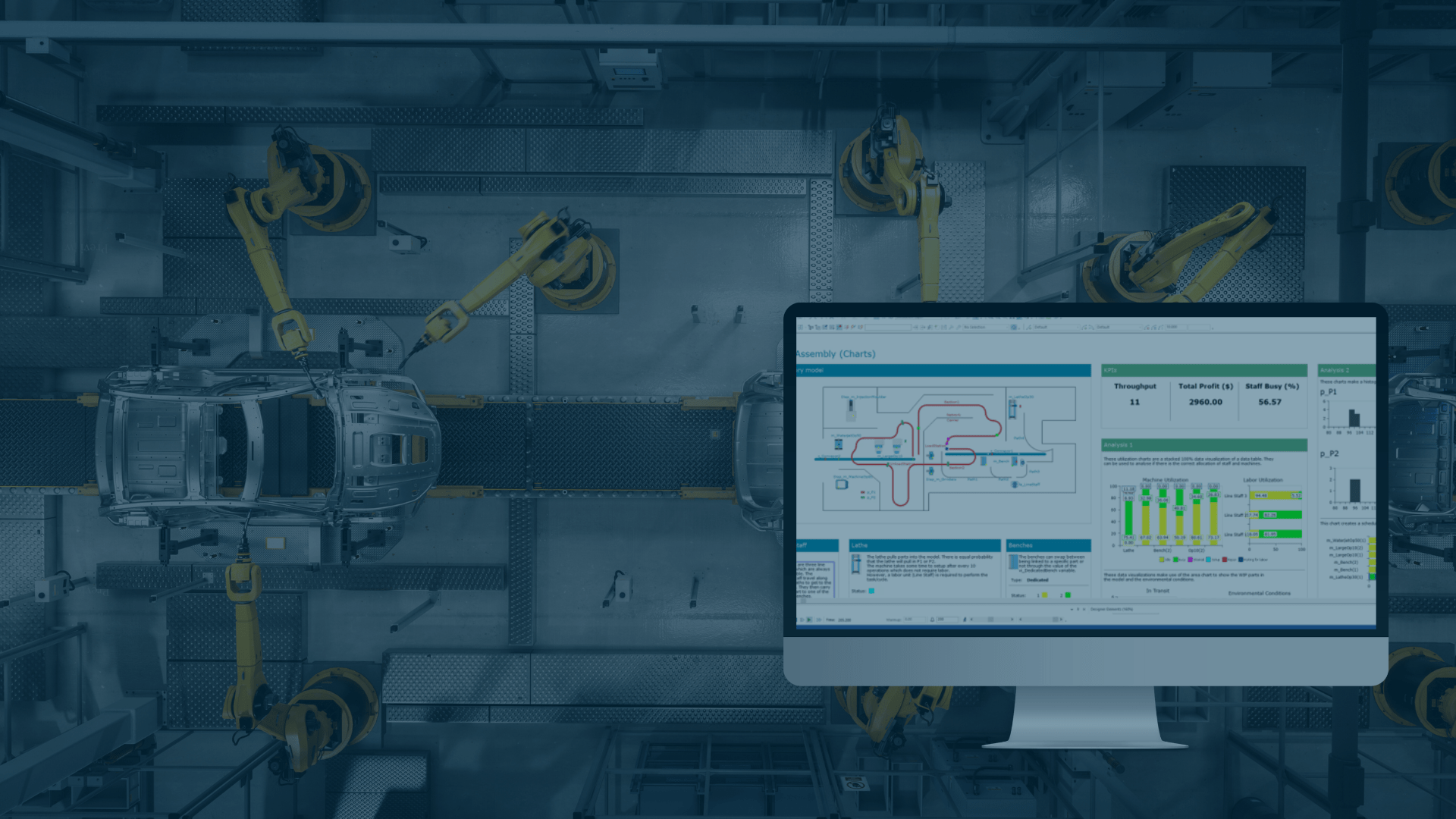 Predictive simulation