The future of food manufacturing - trends and innovations
The power of technology and digital connectivity in the food manufacturing industry
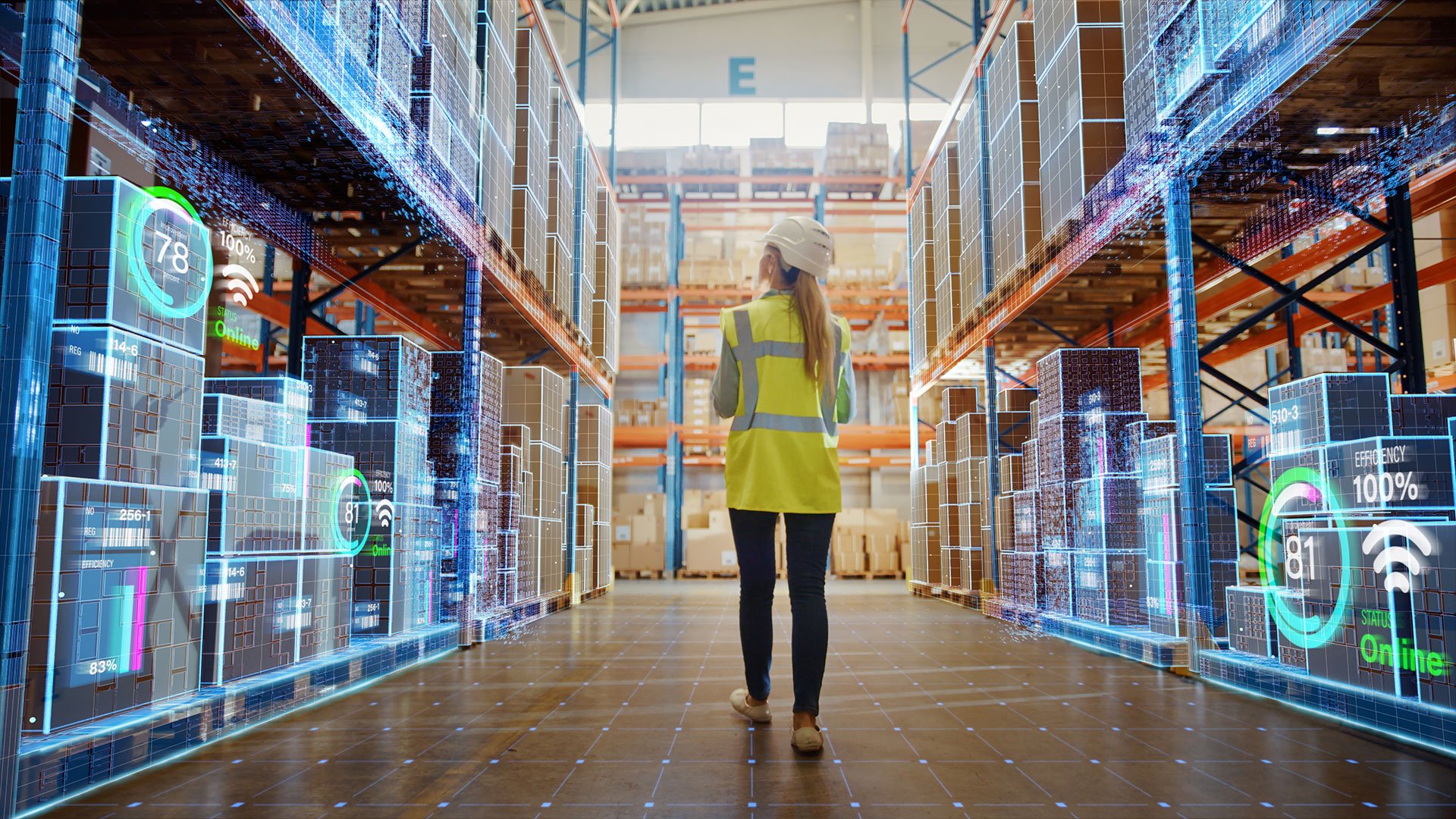
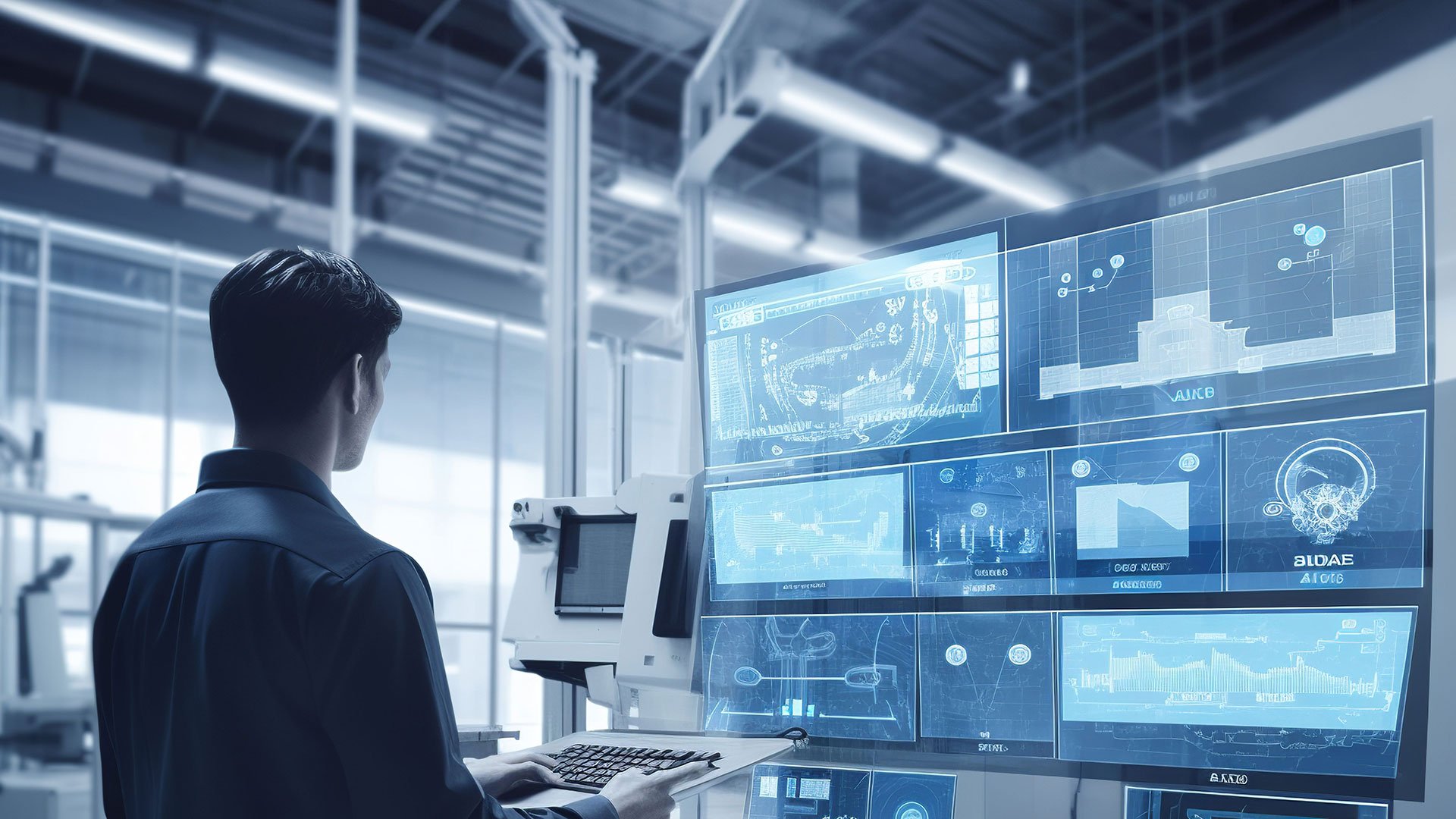
The dawn of Industry 4.0 and the process of automation, AI, and IoT spearheads transformative changes in the food and beverage sector. The Fourth Industrial Revolution (4IR) is not just changing but revolutionising the manufacturing industry's landscape. It equips us with tools that cater to the growing demands for variety, taste, speed, and doorstep delivery, all integrated within a sustainable manufacturing production and supply chain.AI, with its predictive capabilities, streamlines production, minimises waste and anticipates consumer trends. Meanwhile, IoT devices boost supply chain transparency, facilitating real-time monitoring. When we marry these technological marvels with growing digital connectivity, we get a recipe for sustainable and efficient transformation.

A synergy between technology and digital connectivity not only enhances operational efficiency but also paves the way for a more personalised and interactive consumer experience.
Eight food manufacturing trends
The food industry is undergoing massive changes, driven by consumer demands and cutting-edge technology. This translates to exciting changes on your plate – from personalised nutrition to eco-friendly packaging. Below we explore eight trends that are revolutionising food manufacturing and promising a tastier, healthier, and more sustainable future.
Meeting the consumers where they are
Done are the days of the one-size-fits-all approach. The manufacturing industry is now pivoting towards products that resonate with individual consumer preferences. Thanks to technology, we now have the luxury of flexible production processes and bespoke product runs. An example of this shift is the ability of consumers to customise their muesli mixes online, showcasing the industry's tilt towards personalisation and healthier choices.Decentralisation, modular factories, and the promise of flexibility
Echoing the consumer's voice, there's a palpable trend towards decentralised production units. Enter modular factories, the epitome of flexibility. These factories are designed to adapt, allowing swift responses to market fluctuations. Modular factories are the answer to flexibility in volume demand and diversification, both in SKUs and geographical expansion. They promise reduced lead times, sometimes by a staggering 50%, presenting a harmonious blend of adaptability, efficiency, and sustainability.Food manufacturing innovation at the forefront
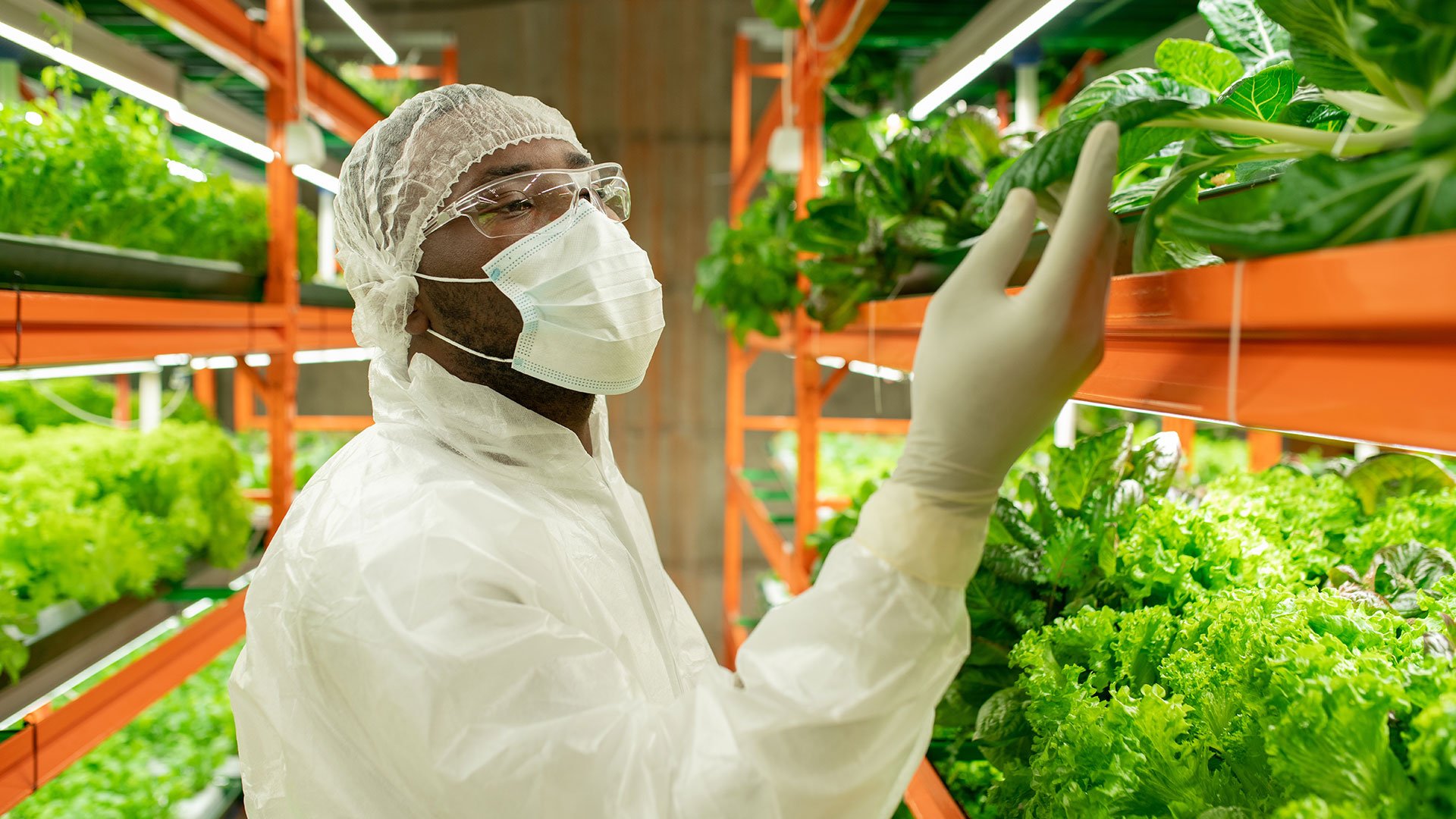
The food manufacturing realm is abuzz with groundbreaking technological innovations reshaping how we think about food production and consumption. Consider 3D-printed meat, a sustainable counterpart to traditional meat production that offers a glimpse into the future of customised nutrition. Then there's vertical farming, an ingenious method that maximises land use and ensures consistent crop yields throughout the year, all while conserving precious water and energy resources. These advancements and ongoing research and development are setting the stage for a revolution in the food industry, promising healthier, more sustainable, and more efficient solutions for the global population.Innovation in the manufacturing sector is paving the way for a more sustainable, efficient, and health-conscious future in the food industry.
Sustainability
Sustainability has evolved from a mere buzzword to a foundational principle guiding the industry's direction. Manufacturers establish tangible objectives for water conservation, energy efficiency, waste minimisation, and CO2 emission reductions as we progress. The focus is on fostering a circular economy, maximising resource utilisation, and promoting renewable energy.These principles are not just aspirational; they are being actualised in groundbreaking projects that define the future of sustainable food manufacturing. While energy has always been an accessible and affordable resource, we are now embarking on a transformative journey to decarbonise our manufacturing facilities. Initial steps are underway, but achieving the final half of the decarbonisation plan will necessitate profound shifts. Our global teams are at the forefront of these pioneering endeavours.
The packaging paradigm: Functional and sustainable food packaging
One of the most significant shifts in the industry is the rethinking of packaging. With rising environmental concerns and the undeniable impact of waste, the industry is gravitating towards sustainable food packaging solutions. The visionaries are even exploring packaging-free supermarkets, a bold yet indicative sign of the direction the industry might embrace in the coming years. It's not just about reducing waste; it's about creating sustainable food packaging that adds value, is biodegradable, and meets the functional needs of the products they encase.
Local sourcing: a return to roots
In tandem with decentralisation, there's a renewed emphasis on local sourcing. The benefits are multifold: it boosts the local economy, reduces transportation emissions, and caters to the growing consumer demand and taste for locally produced goods. This approach not only ensures fresher ingredients but also resonates with the consumers' desire to know the origin of their food, aiding a sense of trust and community.Local sourcing often translates to seasonal eating, which means consumers get to enjoy produce at its peak flavour and nutritional value.