Predictive Simulation Suite
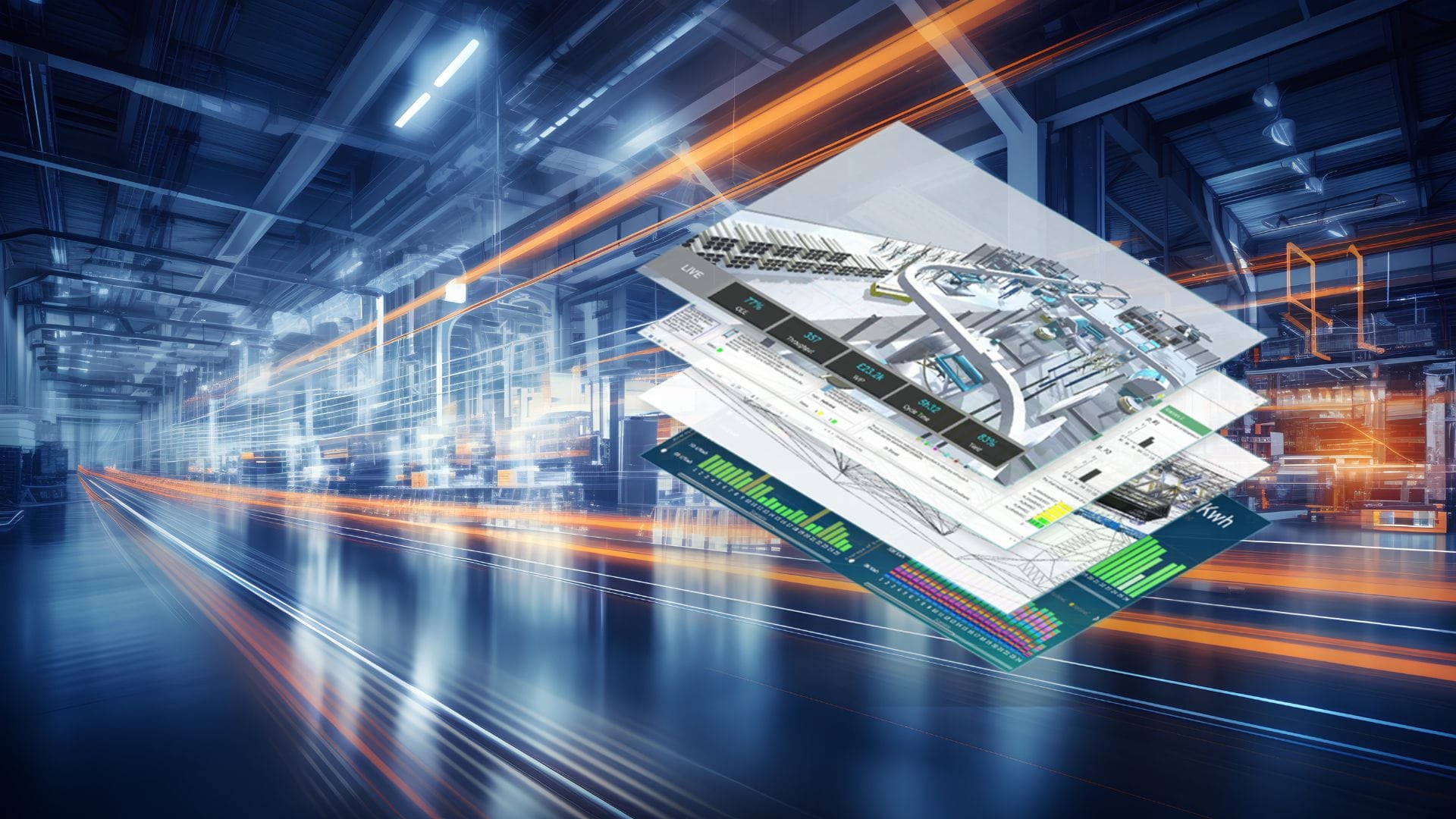
Predictive simulation is the science of creating accurate models to represent the behavior of real-life processes
Today’s businesses are facing increasingly difficult and complex decisions. Markets are changing constantly, competition is fierce, and customers are demanding innovative new experiences and consistently high service levels. Predictive simulation simplifies this complexity. A simulated model of your business generates powerful future-state data and helps demystify much of the analytical process by providing a rich interactive visualisation of information. Predictive simulation helps both analysts and decision-makers understand their business processes, data and how they affect one another across diverse sectors such as manufacturing, LNG, supply chain, logistics and more.
Why predictive simulation?

Evidence-based decision making
Analyse ideas and 'what-if' scenarios where testing in real life would be impractical, expensive and dangerous

Operational safety and efficiency

Secure stakeholder buy-in
Communicate challenges and opportunities more clearly, accelerating stakeholders and investor buy-in

Maximise return on investment
Understand the impact of change to help optimise resources and drive higher return on investment
Our predictive simulation products
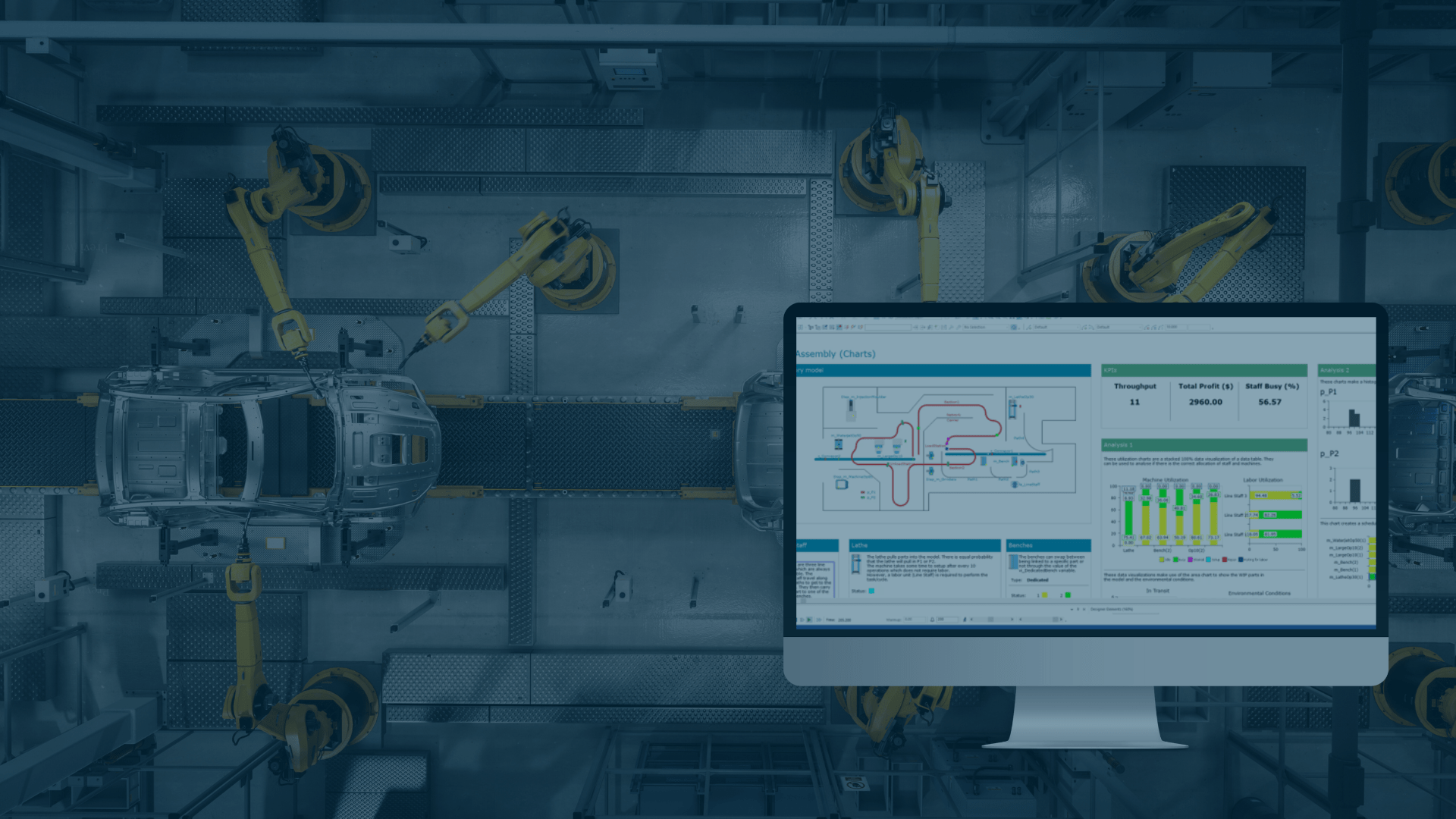 Predictive simulation
Witness - Simulation modelling to validate decisions in a risk-free environment
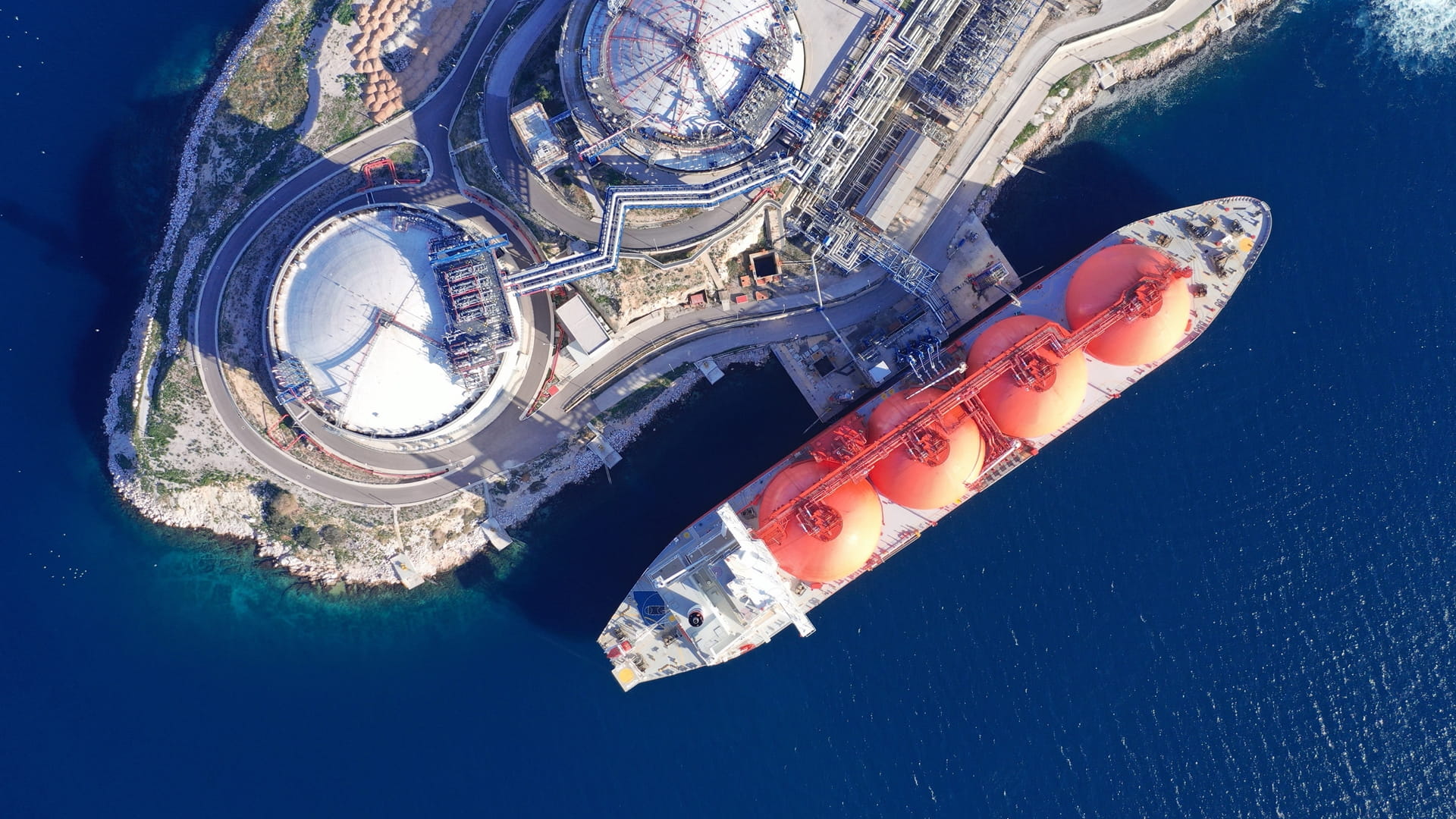 Digital
LNG Logistics Simulator - De-risk decision making across the LNG value chain and project lifecycle
Experience in Industry sectors





How can predictive simulation help future-proof your operations?
Read our latest research

Thanks to the modelling, we’ve been able to implement steady improvements in our processes, and simulation has become a key part of Nissan’s adoption of Industrial IoT and smart technology.
Webinar: How simulation-based digital twins can drive sustainability in industry
Meeting sustainability goals is one of the biggest challenges facing organisations today. The need, and desire, to create greener and more sustainable businesses while still achieving targets and keeping costs low is a constant challenge. And one that is hard to get right.
In this webinar we discuss the challenges faced across industries and demonstrate how technologies like simulation and digital twins can drive value when trying to navigate an endless number of possibilities to achieve sustainability goals.