
AngusStevens
Looking ahead now to what we can expect this summer – the Met Office suggests that 2025 is likely to be among the top three warmest years on record, following 2023 and 2024. We don’t yet know what this summer brings in terms of high temperatures, but we can say with certainty that what’s good news for holidaymakers is bad news for property owners and insurers.
What is subsidence, and why is it a risk?
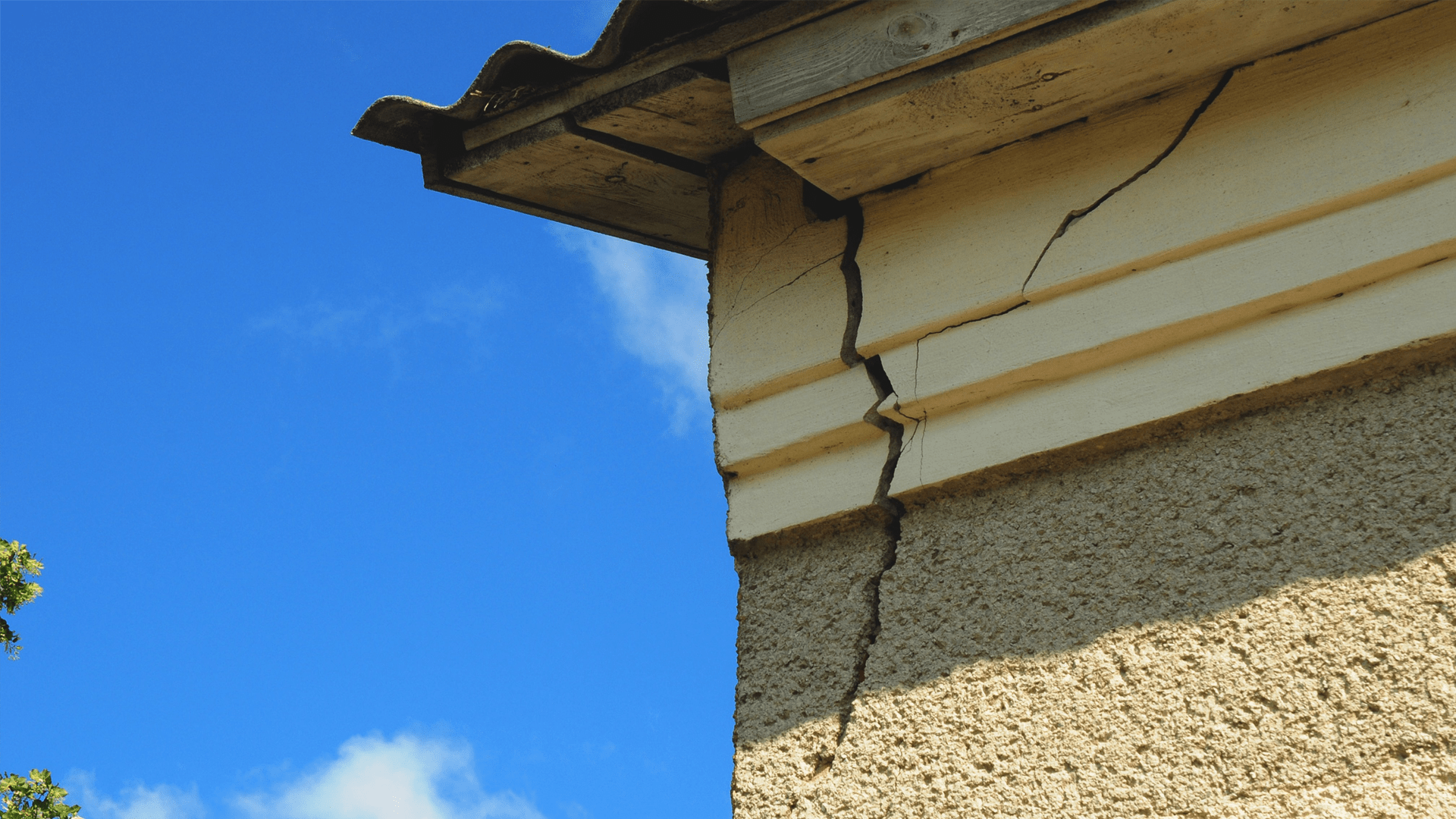
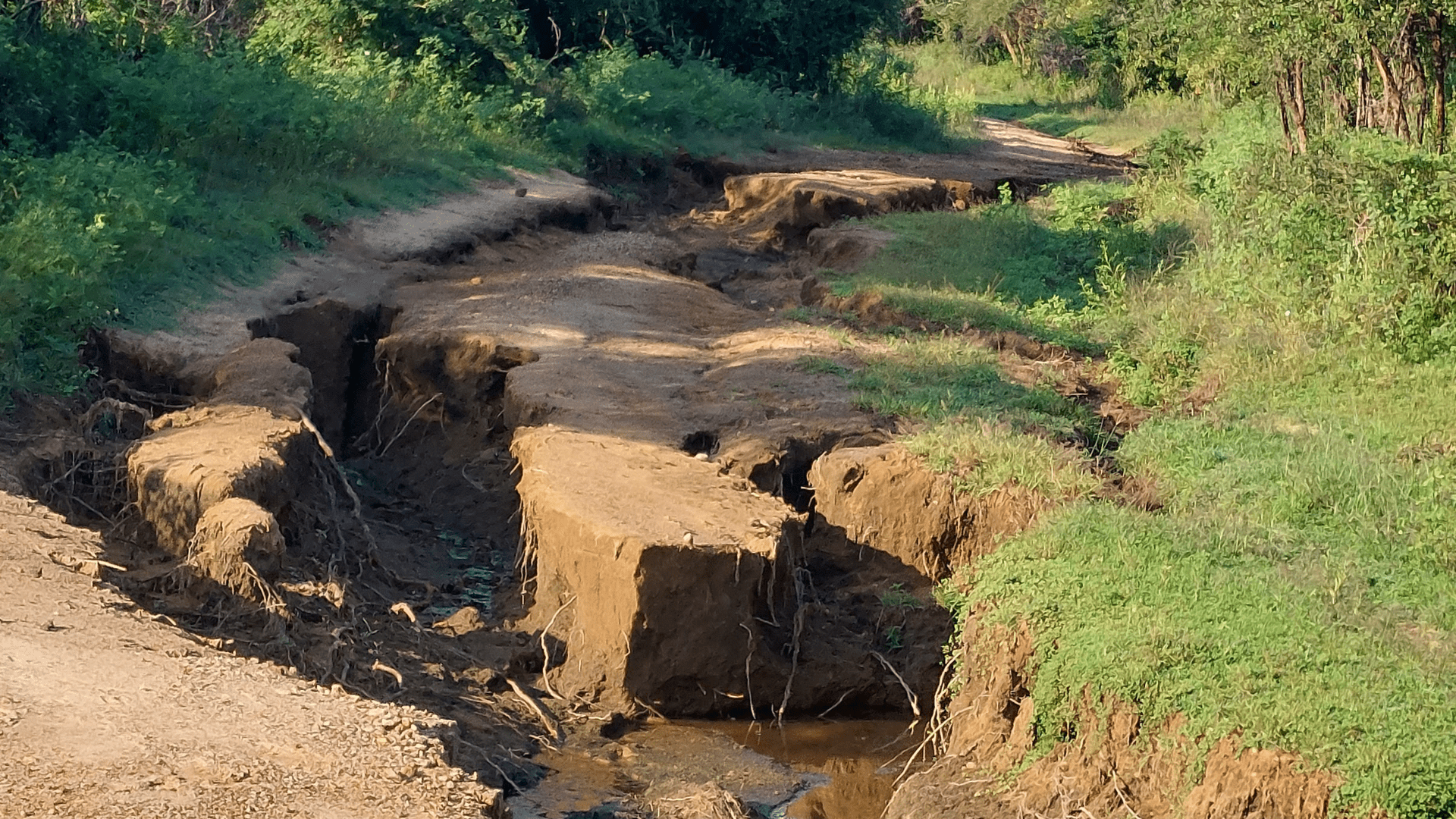
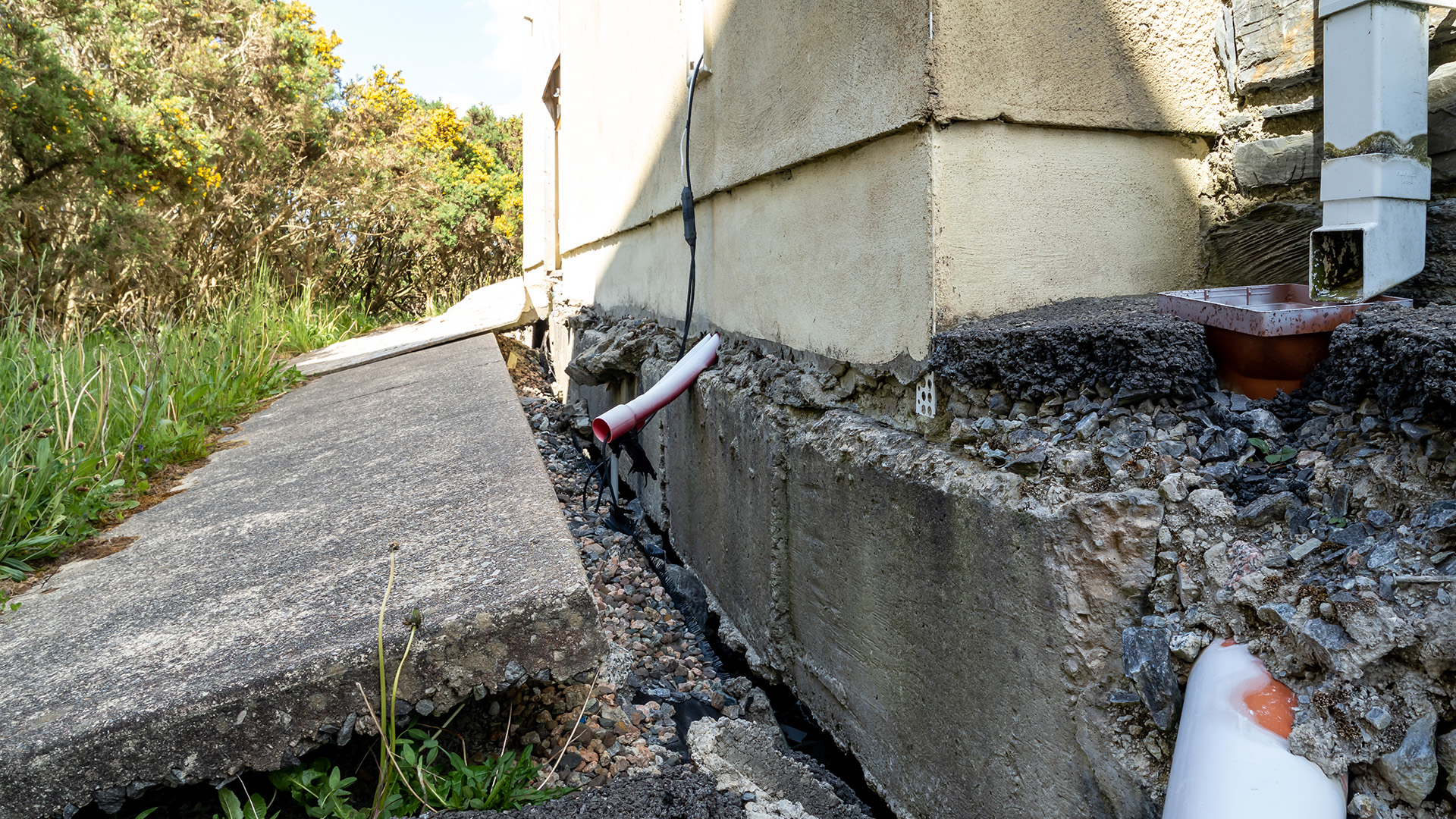
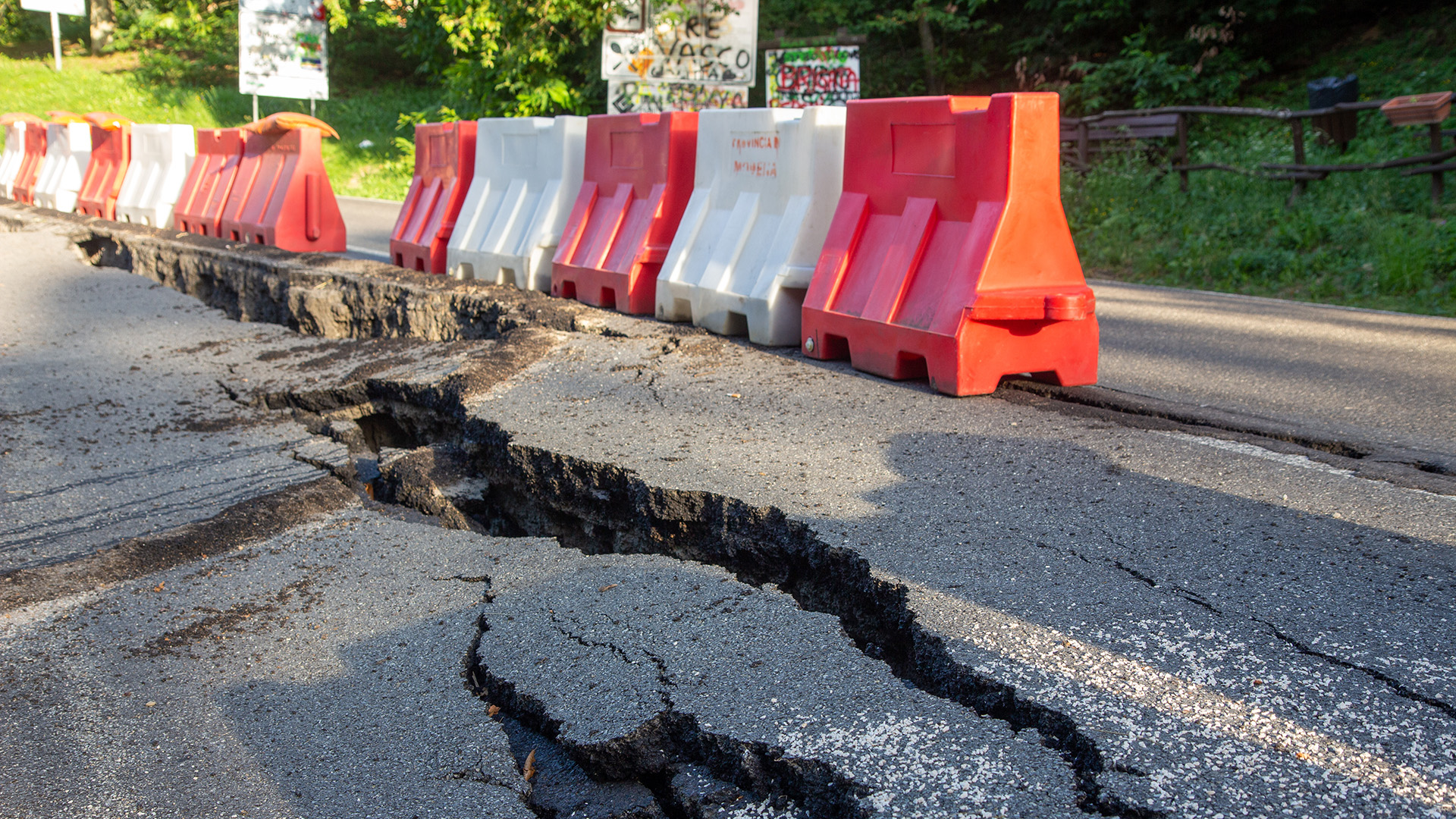
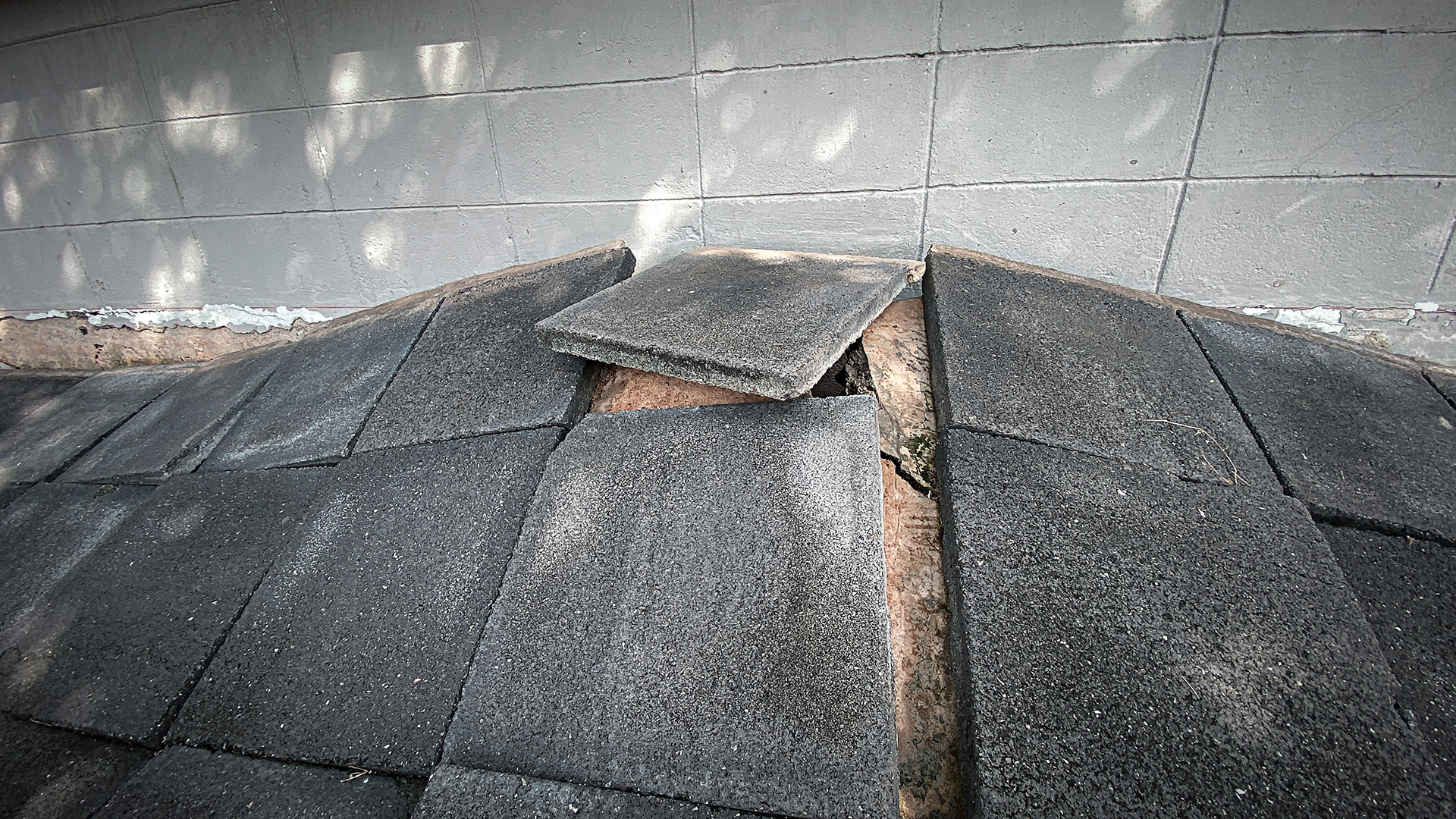
Subsidence can stem from multiple factors but can be roughly defined as the collapsing or sinking of the ground beneath the Earth’s surface. Such an event can spell trouble for properties at risk of subsidence due to the damage it can cause to building foundations, leading to costly repair work and insurance payouts.The consequences of soaring temperatures and little rainfall—from the swelling and shrinking of clay to trees and shrubs extending their roots in search of water—increase this risk. Certain areas are more prone to the phenomenon than others, and without an accurate view of subsidence risk, insurers are unable to confidently write policies which could potentially lead to significant losses.
The financial impacts of subsidence
According to the British Geological Survey (BGS), shrink-swell in clay soils is a major geohazard in the UK, costing the economy over £400 million a year. This cost is predicted to rise to over £600 million by 2050 due to climate change-driven weather extremes.The ABI reports that UK domestic property insurers received around 45,000 domestic subsidence claims in 2024. This represents a significant increase compared to previous years, reflecting the growing impact of subsidence on properties across the UK.
The impact of climate change on subsidence
The BGS expects that climate change will lead to significant increases in the number of properties facing subsidence issues in the UK, with a projected rise from 3% in 1990 to 10% by 2070. Changes in soil moisture due to higher temperatures and drier conditions will lead to increased soil shrinkage, causing more subsidence.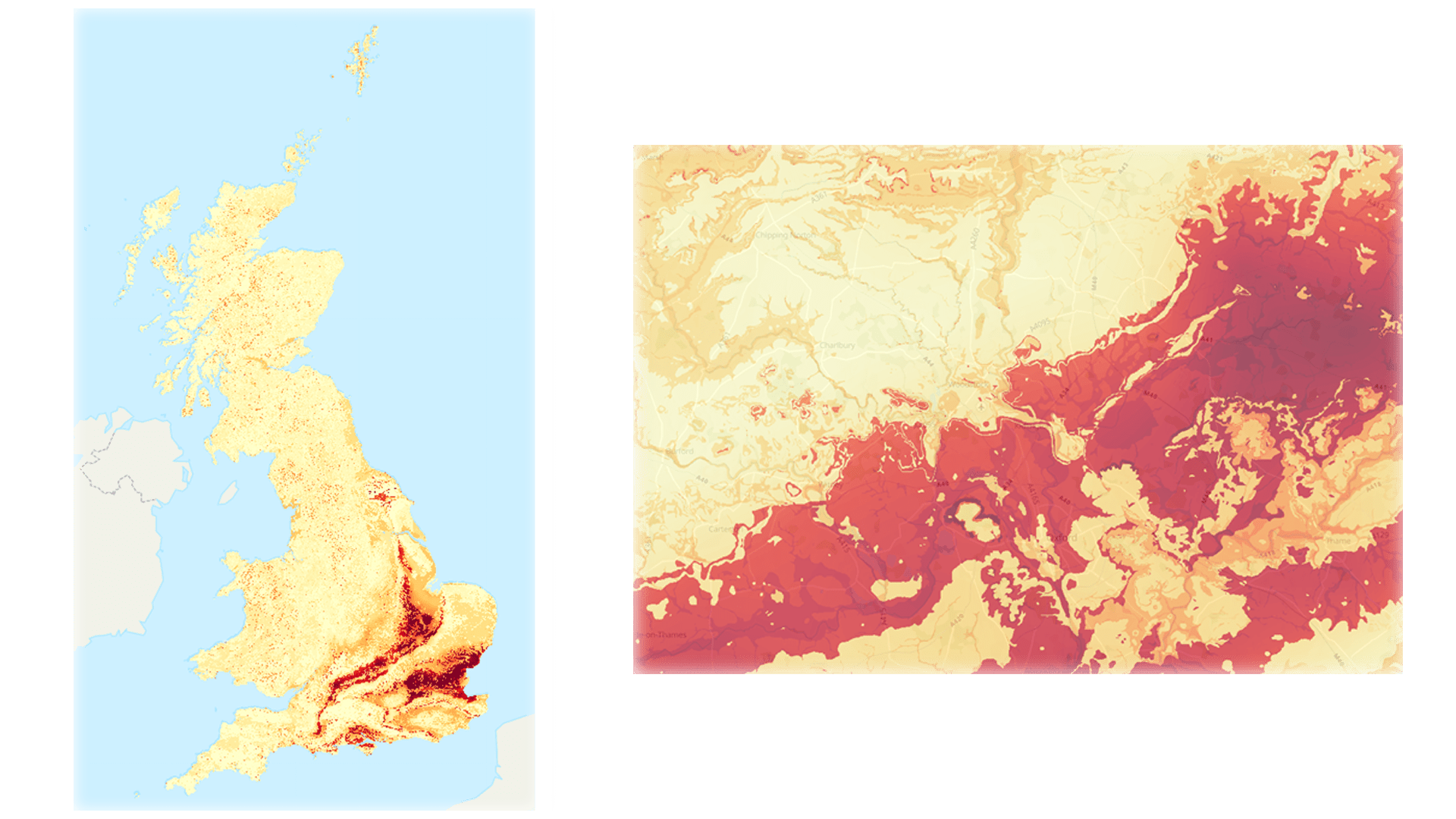
How are technology and data combining to help predict future subsidence risk to properties?
We now offer SubScore Climate in three versions, building on our established SubScore product. SubScore integrates BGS expertise with detailed subsidence risk layers to provide a concise subsidence risk score at the individual address level or at the postcode level. To predict future subsidence, we combine present-day BGS datasets with climate uplift data. Depending on the licensed product, we use different climate datasets, and we offer three future-facing SubScore products which vary in data resolution and future climate scenarios.
Statistical insights
The SubScore Climate products provide summary statistics for the percentage of properties affected under different climate scenarios on a national scale. These statistics help lenders, banks, asset managers, property developers, local authorities, and homeowners understand the potential impact of subsidence on their investments and allow users to benchmark their portfolios against the national average.
SubScore Climate in brief

Comprehensive geological data
High-resolution mapping
Multiple risk factors analysed
GIS-compatible datasets
Regular updates
Historical context
Standardised risk classifications
Sector benefits

How can Haskoning help?
Understanding subsidence is essential for mitigating its effects on properties and ensuring informed decisions by insurers, lenders, property developers, local authorities and homeowners. Proactive measures and awareness can help reduce financial losses and improve resilience against this growing geohazard.The comprehensive subsidence data provided by the BGS, combined with future climate predictions, offers valuable insights into the risks and impacts of subsidence. At Haskoning, we incorporate this data in our SubScore Climate products, enabling customers to make informed decisions to mitigate subsidence hazards and protect their investments. Our unique partnership with Ordnance Survey means that the subsidence data is appended to all addresses in Great Britain and can be delivered alongside all data fields within AddressBase, including UPRNs. Our subsidence risk ratings can be delivered via many different mechanisms, with a range of pricing options available.

Discovermore
Request sample data to see how climate risk data analytics can help your business