Tweed shire climate change adaptation plan

Project facts
- Client
- Tweed Shire Council
- Challenge
- Engaging with and protecting local council programs and communities from climate risks.
- Date
- Nov 2024 - July 2025
- Solution
- Methodology review, best practice examples of local government adaptation options, and a place-based strategy in consultation with key stakeholders and community feedback to inform the Tweed Shire Council’s Climate Change Adaptation Plan (CCAP).
- Location
- Tweed Shire, NSW, Australia
The challenge: engaging communities and stakeholders who are at risk from coastal erosion and flooding
The Tweed Heads coastline is particularly vulnerable to the impacts of rising sea levels, storm surges, and coastal erosion. The updated review of the Tweed Valley Flood Study identified it as one of the most vulnerable areas in the region. In the Tweed River catchment area, over half of the population is at risk of flooding. With sea levels expected to rise by 0.88m by 2100 and flooding from extreme weather events expected to increase, action is urgent.
Beyond physical vulnerabilities, Tweed Heads South is home to sensitive environmental and cultural assets including endangered ecological communities, Aboriginal cultural heritage sites, and wildlife habitats.
Tweed Heads South is located in a high-risk floodplain; meaning the threat of extreme flooding is significant. The community recognises the urgency of proactive planning to reduce future impacts of flooding events.
The solution: community engagement expert guidance to inform Tweed Shire’s CCAP
To address these challenges, the Tweed Shire Council partnered with Haskoning and Grounded Consulting to provide a localised, inclusive and evidence-based approach to engage residents, understand community priorities, and shape the CCAP.
As lead technical partner, Haskoning provided a full suite of services including climate risk and GIS mapping, community and stakeholder engagement, and expert guidance on Tweed Shire Council’s CCAP.
The team brought clarity, expertise, and a proactive attitude—helping Tweed Shire Council define climate adaptation priorities and engage key stakeholders across Council, the community, and between other agencies.
In May 2025, two key engagement activities were held to gather local input on priority adaptation plans: a community drop-in session and a targeted stakeholder workshop.
The community drop-in session invited more than 30 local residents and business owners to view climate risk maps, share personal experiences, reflect on proposed adaptation priorities and provide input on resilience strategies. The targeted stakeholder workshop was an invitation-only session bringing together representatives from government, utilities, emergency services, local businesses and community groups to review spatial climate risk data and discuss adaptation pathways. Feedback from this event identified key priorities with 14 proposed adaptation priorities including upgrades to flood planning controls, Aboriginal Cultural Heritage mapping, biodiversity adaptation planning, tree and foreshore management, business resilience measures, and emergency preparedness.
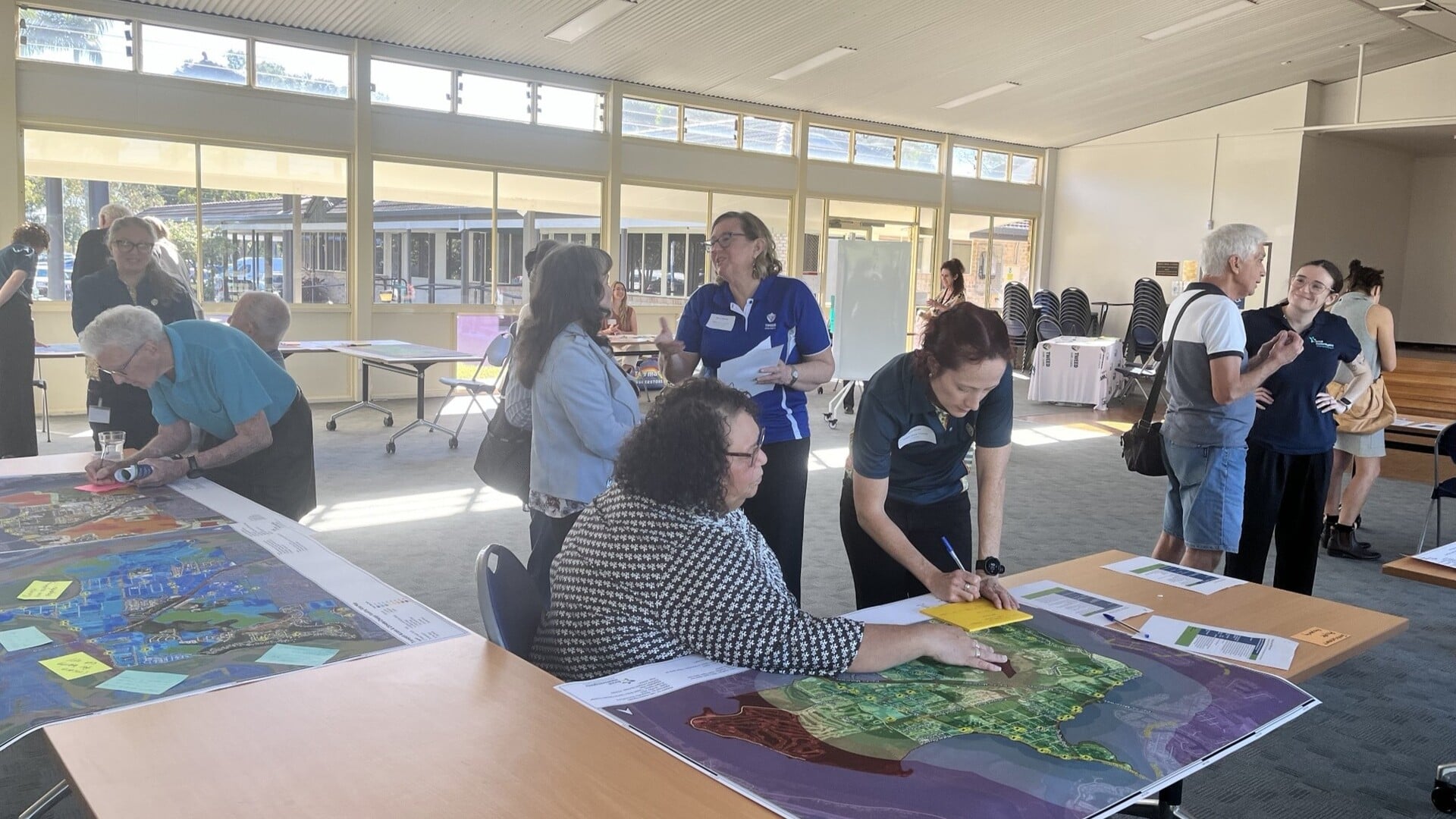
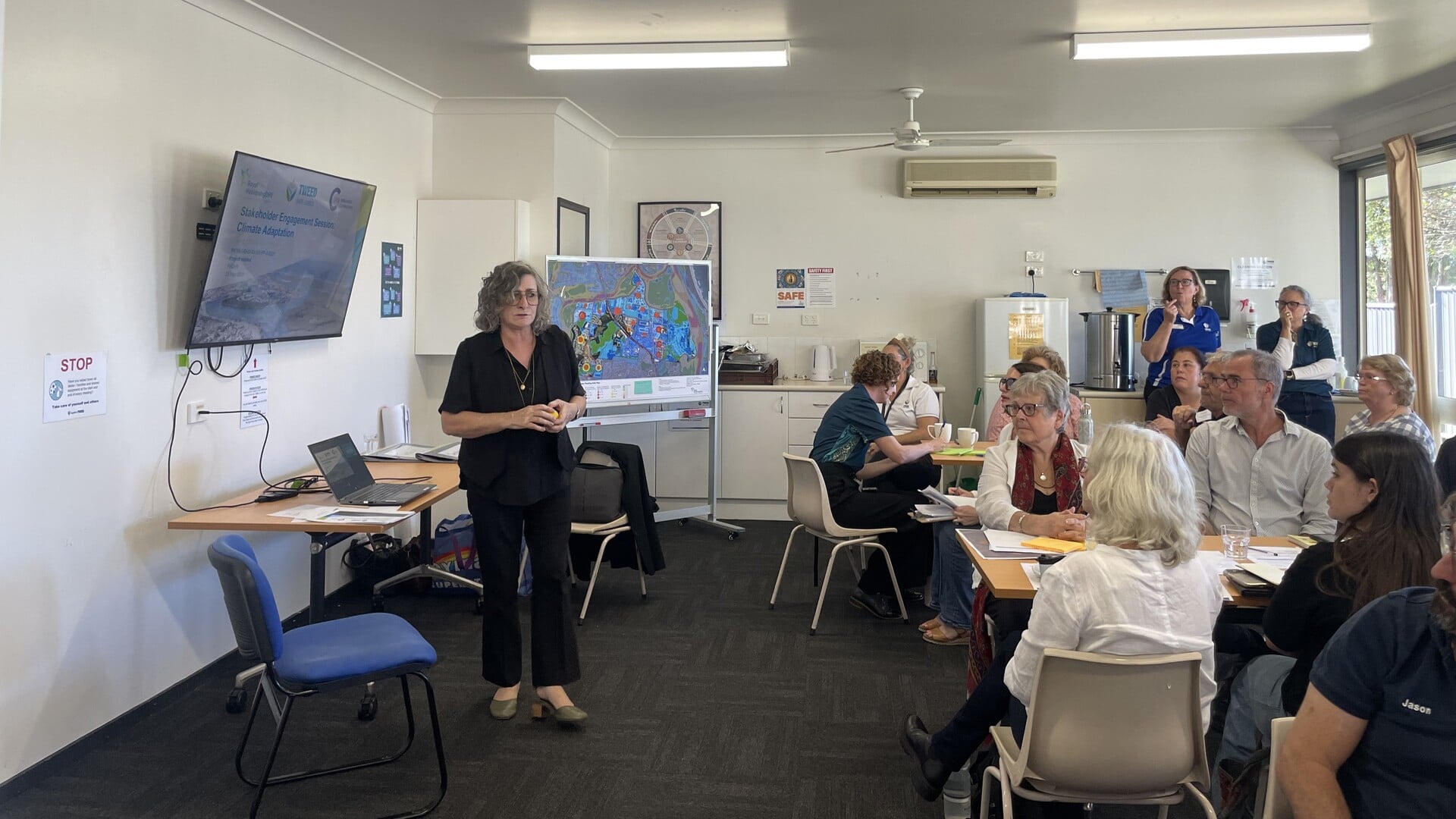
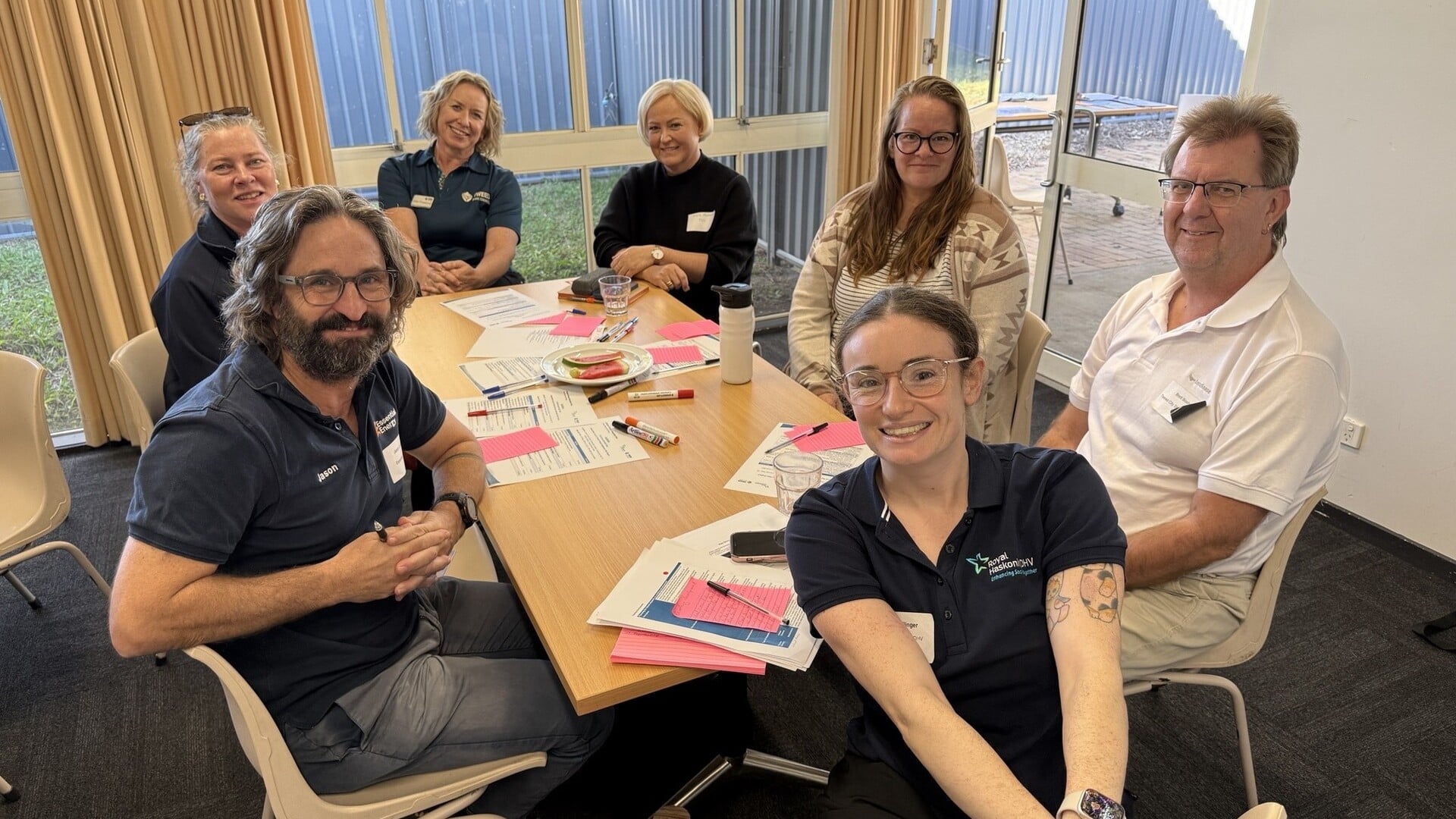
Tweed Shire Climate Change Adaptation Engagement Sessions, May 2025
The result: enhanced community resilience and climate risk preparedness
The community engagement process delivered critical insights into local perceptions, values, and climate resilience priorities. Through a combination of accessible public events and targeted stakeholder workshops, the project created a shared platform for learning, collaboration, and the co-design of effective adaptation strategies.
Residents and stakeholders expressed strong support for the council’s place-based and participation-focused approach and emphasised the need for stronger partnerships, clearer communication on climate hazards and tangible, community-led action. Feedback also highlighted critical gaps including fragmented funding, service breakdowns during emergencies, and a need for more tailored risk communication for more vulnerable members of the community.
The engagement process not only informed the development of the CCAP but also strengthened community trust through locally grounded decision making. Together, this data driven and collaborative process has laid a strong foundation for a more resilient, informed and connected community in the face of future climate challenges.
At Haskoning, we understand that meaningful climate change adaptation starts with community. By combining technical expertise with comprehensive local engagement, we’ve helped ensure that the Tweed Shire Council’s approach to adaptation planning is both evidence-based and people-centred.
Learn more about how we’re shaping resilient futures



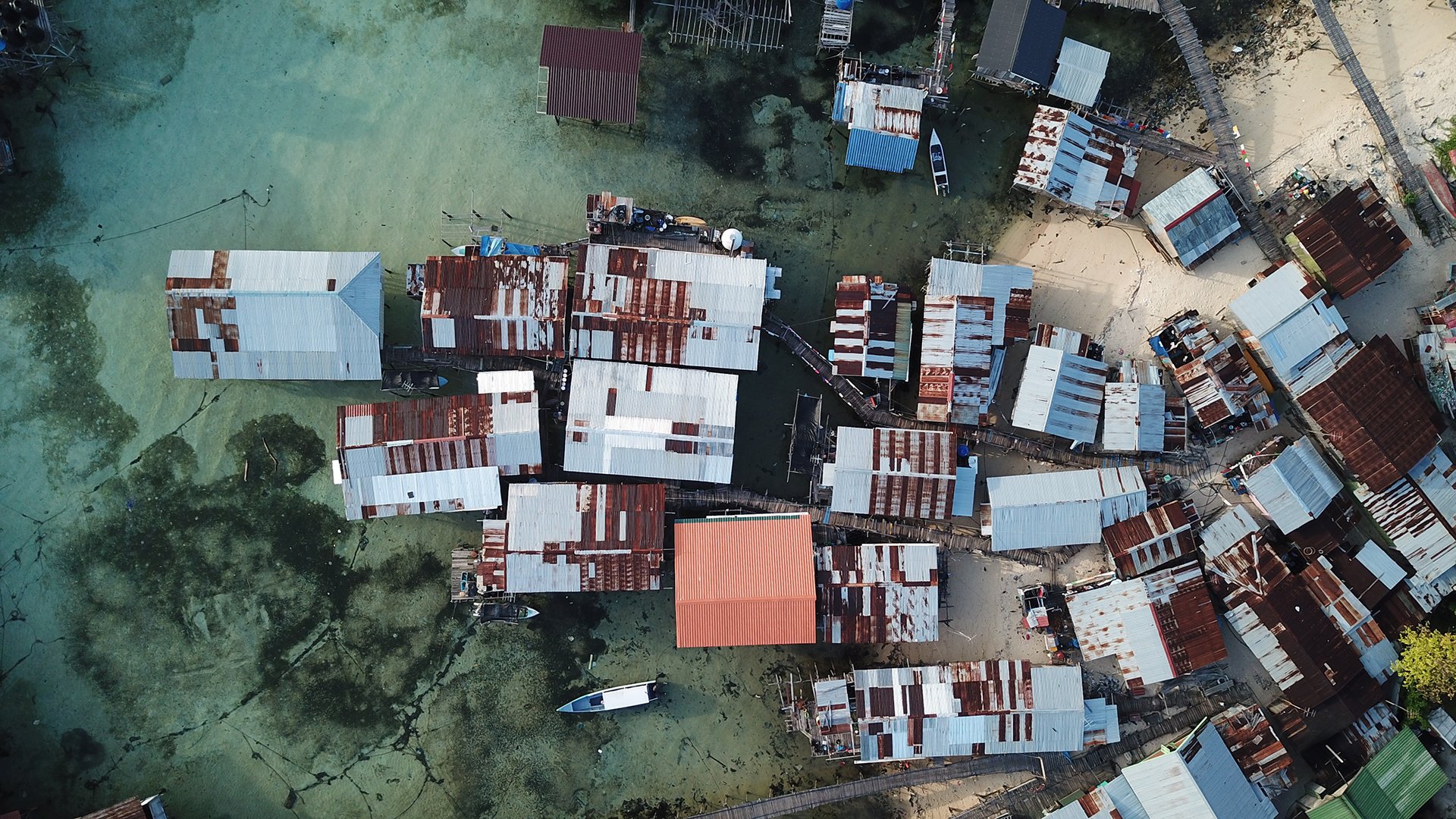 Climate resilience
Climate hazards, and risk insights and awareness

Got a question?
Contact our Climate Resilience experts!