Emission reduction boosts performance and profit margins for textile company
Project facts
- Client
- Climate Smart Ventures
- Location
- Indonesia
- Date
- 2025
- Challenge
- Identify a feasible pathway to reduce textile manufacturer’s carbon footprint
- Solution
- An integrated technical and financial approach delivering a bankable roadmap for up to 33% emissions reduction
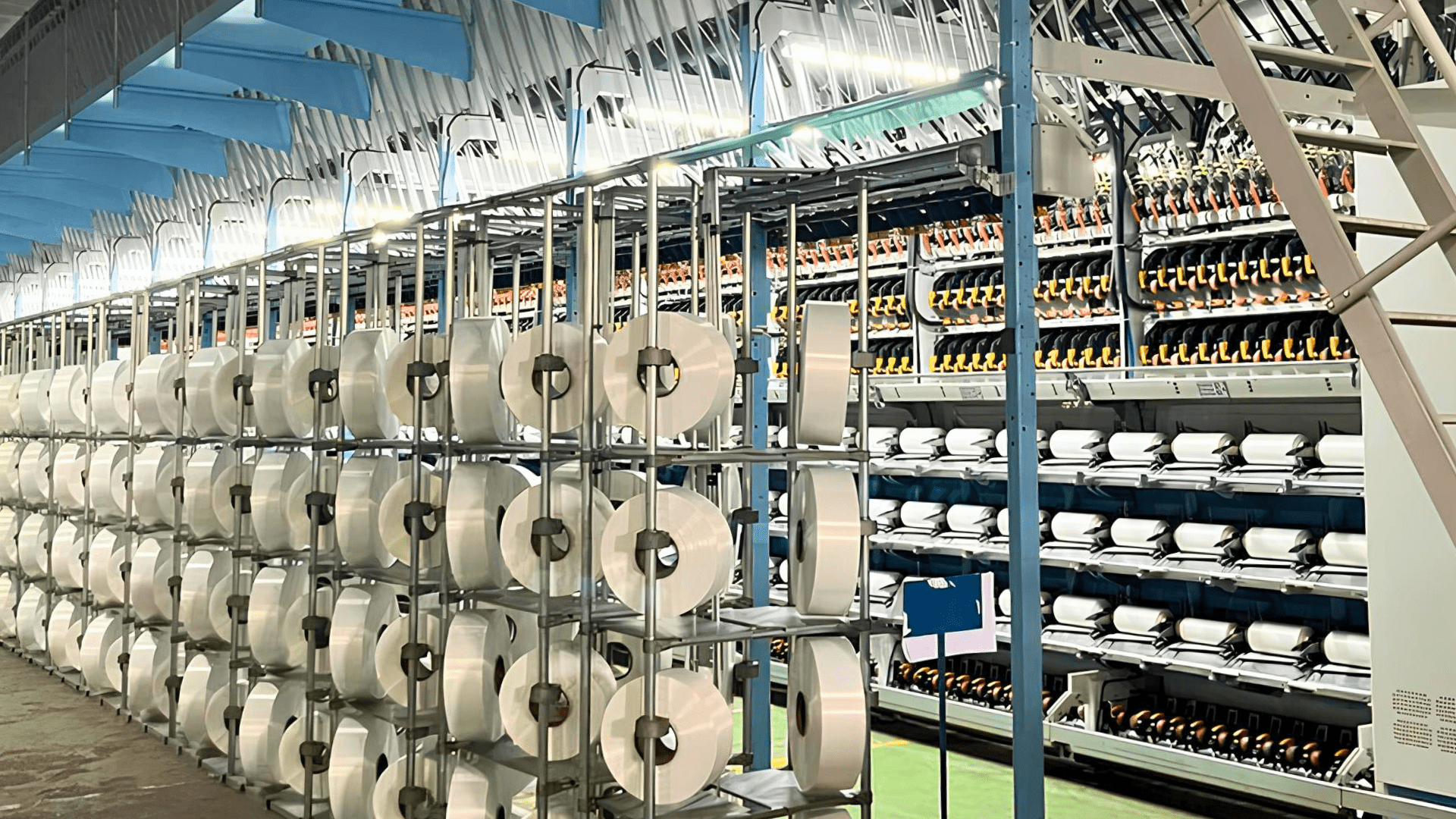
Financial and technological measures have been brought together through a jointly led approach by Climate Smart Ventures (CSV) and Haskoning, providing a textile manufacturer in Indonesia with a roadmap to reduce its carbon footprint while improving resilience to energy price volatility and enhancing operating margins.
The textile industry in Indonesia is facing mounting pressure to decarbonise. Processes are energy-intensive and heavily reliant on fossil fuels, exposing companies to risks from volatile energy prices and tightening environmental regulations. At the same time, global brands are embedding net zero commitments across their supply chains, increasing expectations on manufacturers. A key barrier to decarbonisation remains the ability to translate ambition into technically viable and financially executable solutions. CSV brings together industry stakeholders, technical expertise, and capital providers to enable implementation at scale.
When the firm was approached by a mid-sized textile manufacturer in Indonesia for help with a structuring and financing a decarbonisation strategy, it brought in Haskoning to provide technical advice and to work together on a viable business case.
Data and technical insight lead to evidence-based proposal
Decarbonisation is not only cost effective, it also provide a competitive advantage
Our solution included opportunities to switch to renewable energy sources, such as biomass and solar. We also identified where optimisation in processes and operations could improve operational performance and bring efficiencies. Together, these offered a reduction of up to 36% in the carbon footprint. By extending the emission reduction programme beyond the heating system and across the factory, we showed that decarbonisation is not only cost effective, it can provide the company with a competitive advantage.

A win-win for industry paves the way for others to follow
CSV is using Haskoning’s assessment and the resulting business case to attract financing for the project.
The collaboration between CSV and Haskoning, which brings together technical and financial insight with knowledge of the investment landscape, is proving beneficial in helping industrial partners move from strategy to implementation.
Our client is very happy with the outcome and keen to move forward. The increase in competitive advantage is a powerful added benefit in an industry where margins are tight.We are confident we can secure the funding.
The textile industry in Indonesia is just starting its decarbonisation effort, so cases like this provide a strong incentive for the whole sector to decarbonise.
Get in touch
Looking to reduce emissions while improving operational performance in energy-intensive industries? Together with our clients, we develop data-driven decarbonisation strategies that combine technical feasibility with financial viability, delivering cost savings, operational resilience and long-term competitive advantage.
Solutions for industry




Always up-to-date on latest industry insights?