Upgrading Tonga’s Queen Sālote International Wharf
Project facts
- Client
- Asian Development Bank (ADB) and The Government of Tonga
- Location
- Nuku’alofa, The Kingdom of Tonga
- Date
- 2019 – 2025
- Challenge
- The Queen Sālote International Wharf faced aging infrastructure, limited capacity, and vulnerability to natural disasters, demanding a comprehensive upgrade to meet modern safety and operational standards.
- Result
- The upgraded port now offers world-class, climate-resilient facilities that double cargo capacity, improve safety, and secure Tonga’s role as a vital maritime hub for decades to come.
The challenge: Aging and climate-vulnerable port infrastructure
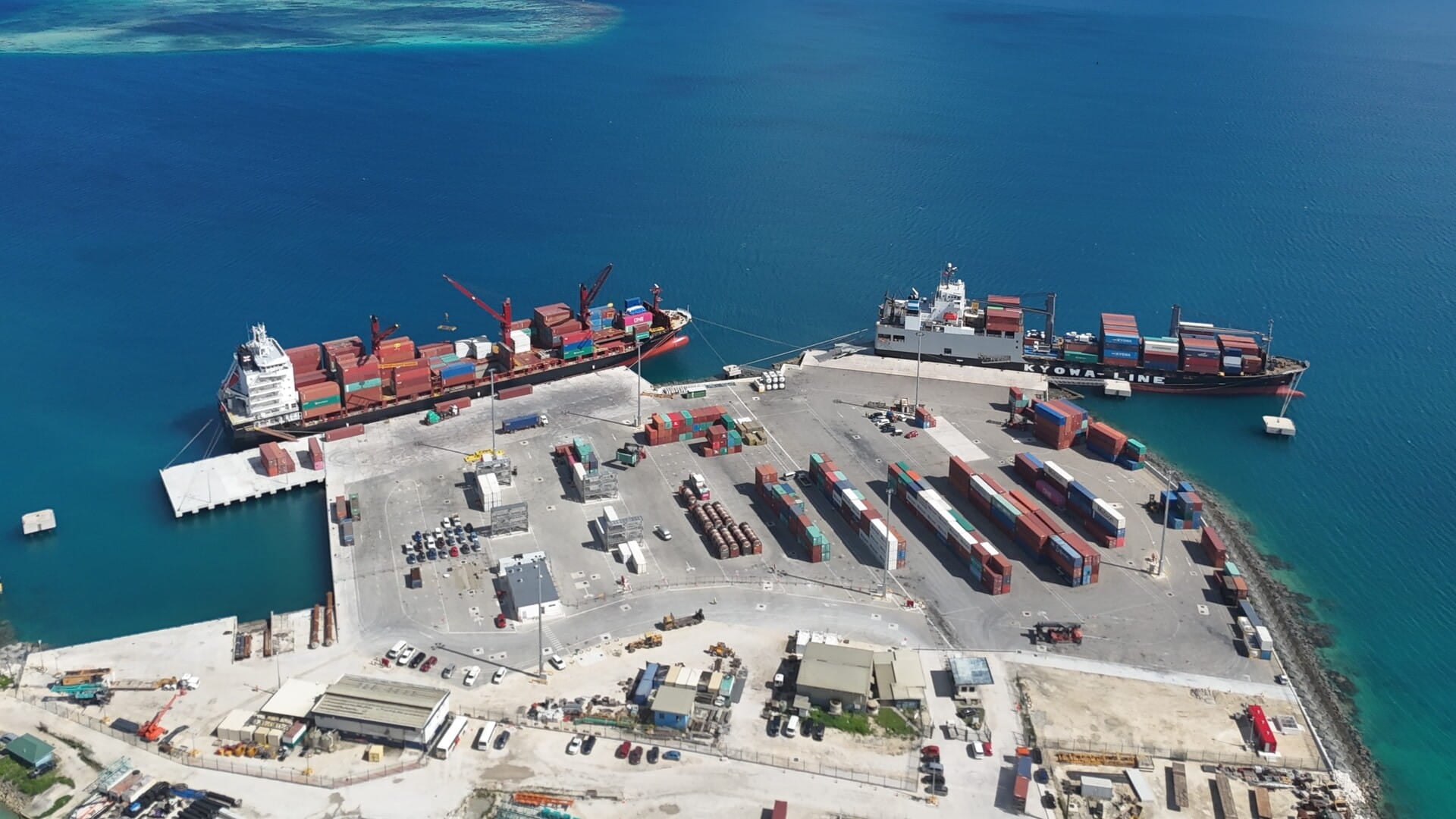
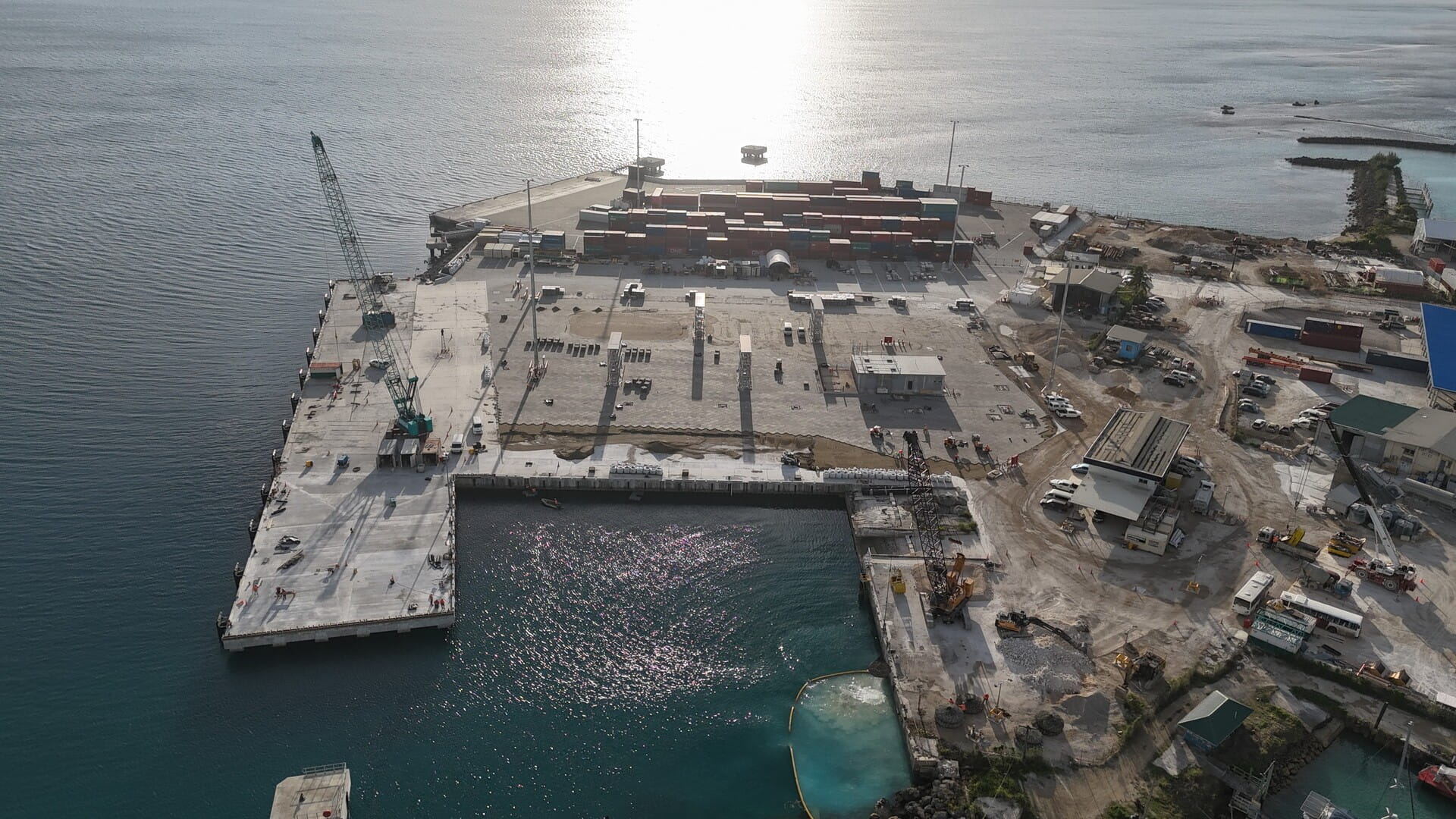
The Queen Sālote International Wharf (QSIW), built in 1967, is the Kingdom of Tonga’s only international port and handles 95 percent of the nation’s imports and exports. After more than five decades of operation and limited maintenance since 1999, the port faced serious structural deterioration, safety limitations, and capacity constraints.
With much of the infrastructure sitting less than three metres above mean sea level, the facility was increasingly exposed to storm surges, tropical cyclones, and sea-level rise. The wharf’s ageing deck structures, pavement failures, and inadequate mooring and fender systems created significant safety challenges for workers and vessels. In addition, the port no longer met international environmental and security standards, while inefficient cargo handling and constrained berth space hindered operational efficiency and expansion.
As Tonga’s main maritime gateway, the QSIW upgrade was critical to ensuring the nation’s trade resilience and long-term economic stability. The challenge lay in modernising aging port infrastructure, improving safety and environmental performance, and enhancing resilience to sea-level rise and extreme weather events — all within a constrained budget, limited local resources, and without disrupting essential trade operations. This was a complex challenge requiring innovation, precision, and close stakeholder collaboration.
The solution: Port engineering and expansion
In 2019, the Asian Development Bank (ADB) engaged Haskoning to deliver the detailed engineering design, technical assistance, feasibility studies and site supervision for the Queen Sālote International Wharf upgrade project.
Our team developed an integrated plan to modernise, climate-proof, and expand the port’s capacity while maintaining operations throughout the five-year program.
Our approach began with a comprehensive climate and disaster risk assessment, combining scientific analysis with local insights. This four-stage process included:
- Port operations and asset condition assessments
- Hazard modelling and seismic, tsunami, and resilience forecasting
- Stakeholder consultation workshops
- Multi-criteria evaluation of adaptive design options
Based on the findings, Haskoning designed a port expansion plan centred on efficiency, safety, and long-term sustainability:
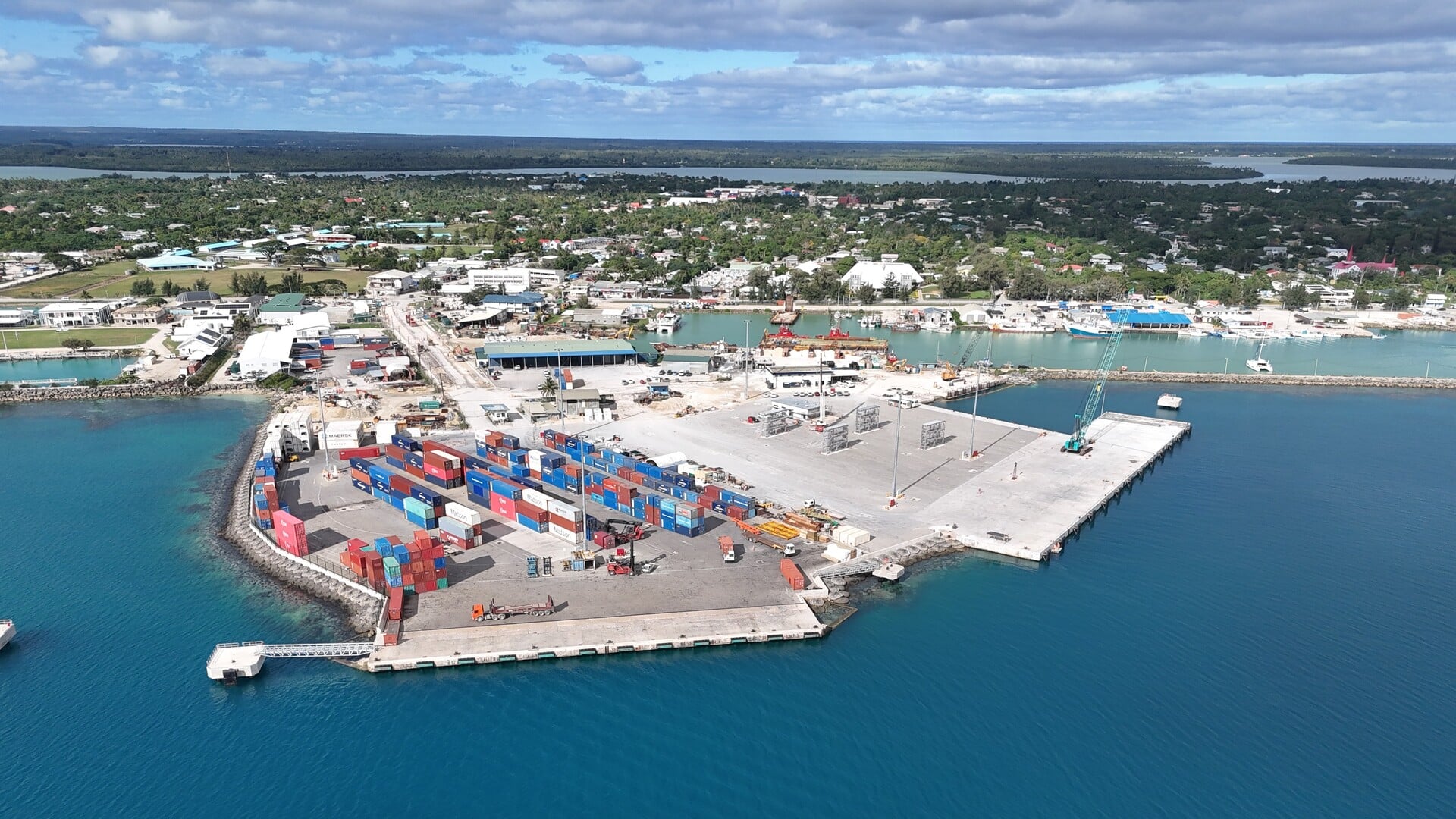
- Rebuilding Wharf 1 with a new suspended deck structure using locally produced concrete.
- Extend Wharf 2 by 45 metres to accommodate larger vessels.
- Construct four new mooring dolphins and two navigation markers for improved berthing and safety.
- Reuse demolished concrete for coastal protection works.
- Install firefighting systems, lighting, HV/LV, stormwater drainage.
- Reorganise container yards and upgrade access roads and pedestrian routes.
Our assignment included the establishment of a comprehensive asset management and maintenance framework to ensure the port’s long-term operational and environmental sustainability.
During implementation, 80 percent of the workforce was local, with 14 percent female participation supported by gender equity policies and training programs in safety, operations, and environmental management.
Rajesh Keshav Mudaliar, Resident Engineer at Tonga QSIW Project
Rajesh Keshav Mudaliar, Resident Engineer at Tonga QSIW Project
Rajesh Keshav Mudaliar, Resident Engineer at Tonga QSIW Project
Rajesh Keshav Mudaliar, Resident Engineer at Tonga QSIW Project
The result: Doubled capacity and resilient maritime infrastructure
Despite unprecedented challenges that included Cyclone Harold, the COVID-19 pandemic, a volcanic eruption, and global supply chain disruptions, the QSIW Upgrade project was delivered on time and within budget.
Environmental outcomes have been equally transformative:
- More than 100 tonnes of waste and scrap metal were removed from land and sea, with most recycled offshore.
- Contaminated areas were rehabilitated, reducing long-term environmental risk.
- Recycled construction materials reduced carbon footprint and costs.
Beyond physical infrastructure, the project has strengthened local capability — empowering Tonga’s port authority and workforce to manage and maintain critical maritime assets sustainably.
Setting a New Standard for Climate-Resilient Pacific Ports
The project is now recognised as a benchmark for sustainable and climate-resilient maritime infrastructure across the Pacific.
It demonstrates how engineering excellence, environmental stewardship, and community inclusion can combine to deliver infrastructure that supports both people and the planet.
Key outcomes
- 50% increase in capacity (45,000 TEUs per year)
- Vessel size increased to 220m length
- 100+ tons of waste removed and recycled offshore
- Delivered on time and within budget
- Strong local workforce engagement including above benchmarked gender equity
- Climate-proofed infrastructure with 50-year design life
How we Enhance Society Together
SDG 8 - Decent Work and Economic Growth
The new port has created jobs and developed skills in local communities.
SDG 9 - Industry, Innovation, and Infrastructure
It has modernised vital national infrastructure, increasing capacity and efficiency.
SDG 11 - Sustainable Cities & Communities
Safer, more reliable infrastructure increases community resilience and protects livelihoods dependent on trade and maritime services.
SDG 12 - Responsible Consumption & Production
More than 100 tonnes of materials were recycled, including concrete which was reused for coastal protection.
SDG 13 - Climate Action
The new port is better protected against climate risks like cyclones and sea-level rise.
Pacific Islands & Papua New Guinea
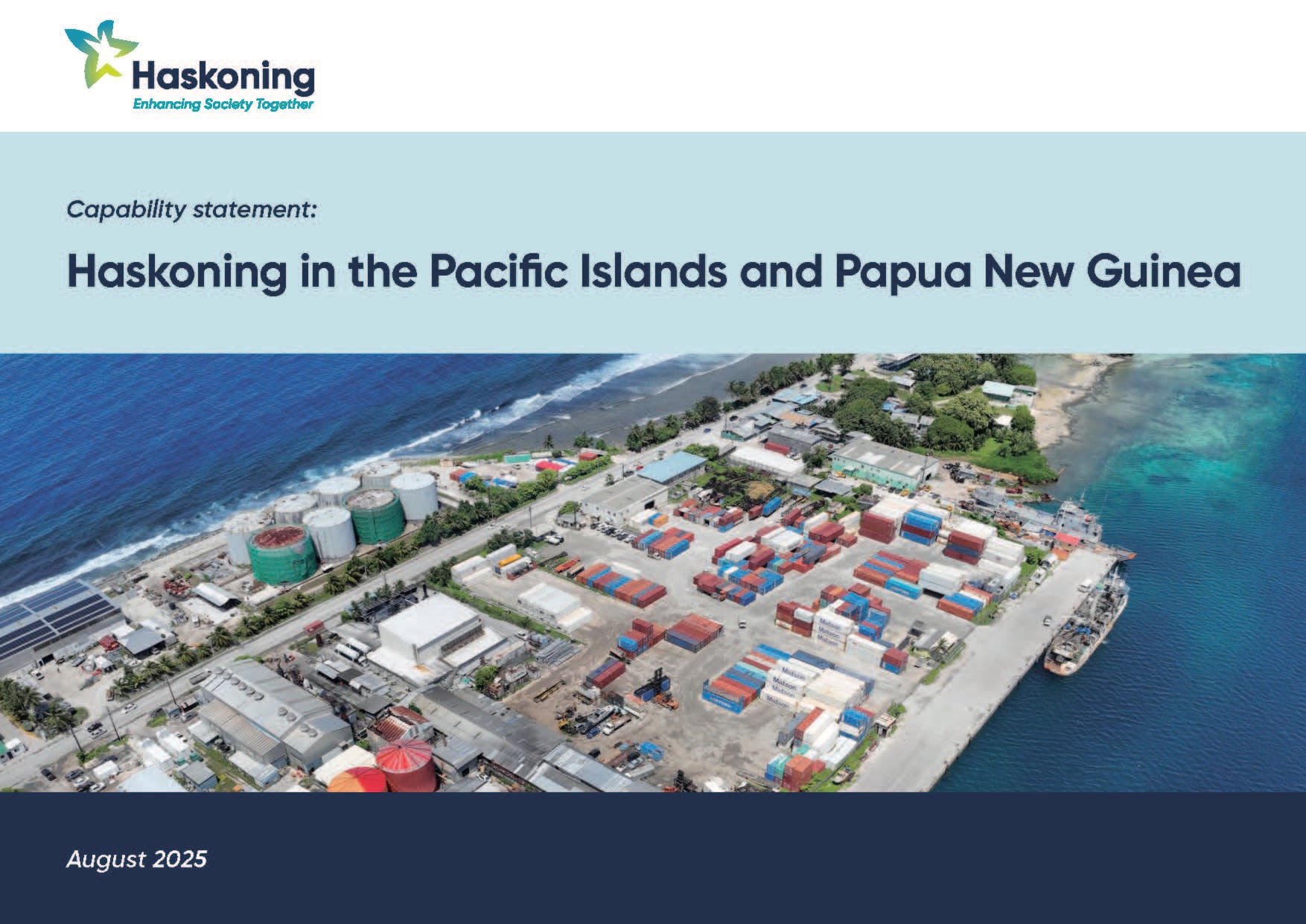

The challenge was to modernise a 50-year-old port on a limited budget while keeping it fully operational. That required careful planning, phasing, and collaboration with local partners. Our design focused on resilience and efficiency, from rebuilding and extending the wharves to integrating smart systems and reusing materials for coastal protection.
This project represents more than an engineering achievement, it’s an investment in resilience and connectivity for an island nation that depends on the sea. By combining innovation, collaboration, and local partnership, we’re helping Tonga secure its maritime future and strengthen its connection to the world.

For Tonga, this was about upgrading infrastructure and protecting a national lifeline. Every shipment of food, medicine, and goods passes through this port. By restoring and strengthening it, we’ve helped ensure the wellbeing and resilience of the entire community. The project has given local people new skills, greater safety, and pride in an asset that truly belongs to them.
Read more about maritime challenges and our solutions
 Maritime
Maritime climate resilience and climate change adaptation
 Maritime