How PFAS restrictions are reshaping heating and cooling
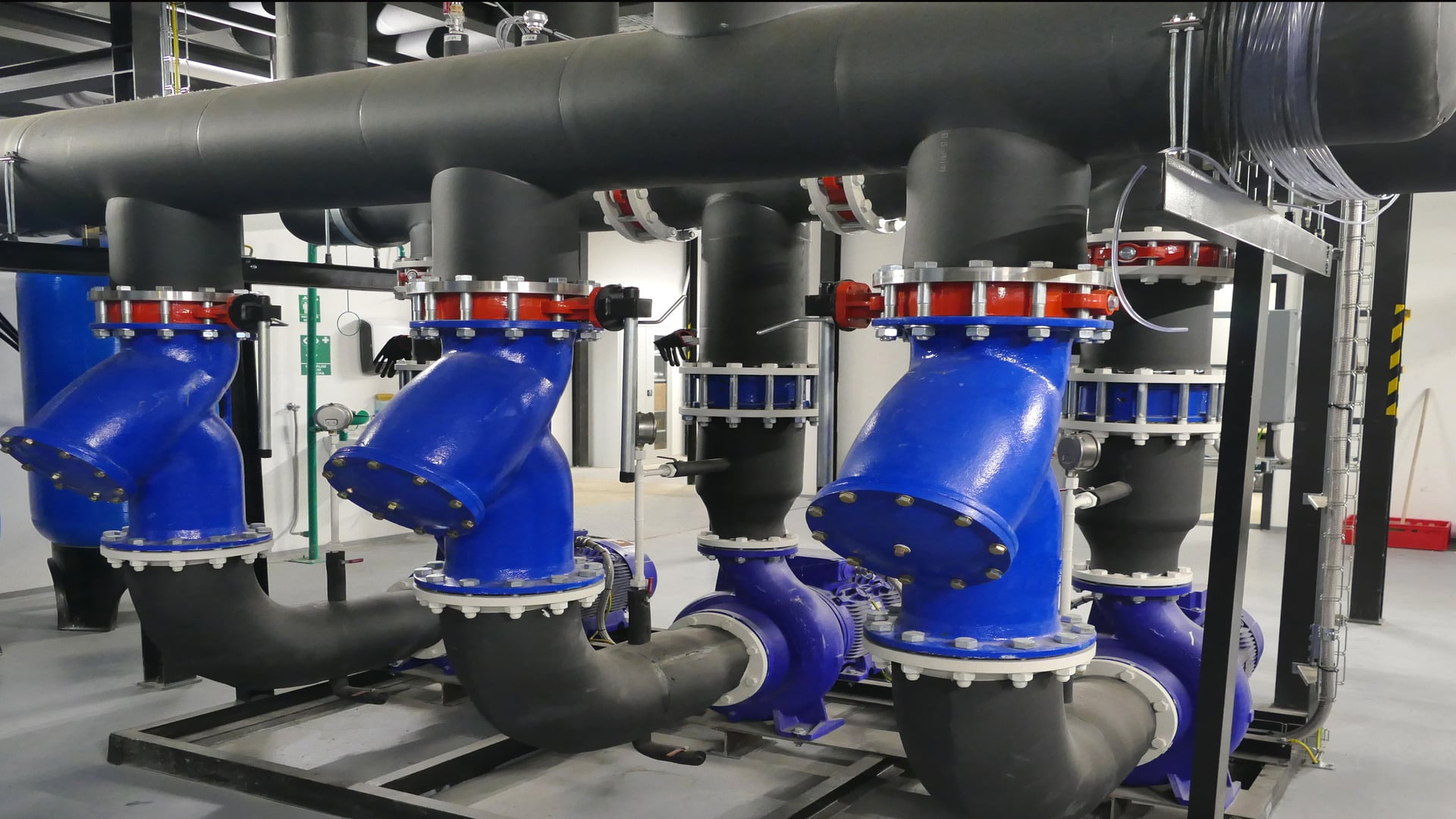
In 2023, the European Chemicals Agency (ECHA) published a proposal to ban the production, sale, and use of perfluoroalkyl and polyfluoroalkyl substances (PFAS). This ban is also set to include most HFCs and HFOs, meaning there will be restrictions for around 10,000 substances in total.
The final shape these restrictions will take is still yet to be determined, but two options under consideration are:
- A total ban, with a transition period of 18 months after the ban starts.
- A ban with exceptions, for example, allowing continued 5-12 year use for certain substances with no currently safe alternatives.
Synthetic refrigerants are no longer a safe bet
PFAS have been used across a huge number of industries and processes for decades, thanks to their ability to repel water and grease, withstand high temperatures, and remain chemically inert. So any new legislation will have wide-reaching effects. One area where PFAS will need to be replaced is in refrigerants.In theory, PFAS‑based refrigerants are safe as long as they remain contained. But no installation is completely leakproof. And when PFAS-based refrigerants leak into the environment, they’re impossible to remove – posing a huge risk to environmental and human health.
Therefore, transitioning to PFAS-free refrigerants is necessary if you want to stay compliant and keep your people, facility, and environment safe. If you act too late or not at all, you’ll likely face costly adjustments, legal risks, and a loss of credibility.
To add even more pressure, the EU is also phasing out fluorinated greenhouse gases, which means almost all synthetic refrigerants are no longer viable in the long term.
That means if you invest in a new heating or cooling system that uses a synthetic refrigerant today, you risk being unable to top up your refrigerant in five years’ time, rendering that system worthless.
So, what’s the alternative?
Natural refrigerants reduce emissions and perform better
Fortunately, there are already good natural alternatives to PFAS-based refrigerants – with even better thermodynamic properties and lower greenhouse gas emission. They come with risks of their own but, if handled correctly, can give you efficient, compliant, and safe temperature control.Replacing your refrigerant is a big undertaking, so make sure you get it right
Changing your refrigerant means installing an entirely new system. It’s a big investment, and highly disruptive, so it’s not something you want to do often – you need to choose and implement the best system for you, first time.If your current heating or cooling system is coming towards the end of its life, replacing it with a natural alternative will give you the most long-term security against evolving legislation.
To do that, you first need to assess which natural refrigerant is best suited to your needs. Then, investigate whether you want air or water cooling. And finally, you must design and install a system that suits your chosen refrigerant, cooling system, and building.
It’s easier said than done, but fortunately there is specialist support to help you through the entire process.
Specialist guidance enables confident decision-making
At Haskoning, our expert team support companies through their entire transition to natural refrigerants.
At the feasibility and scoping stages, we’ll create a trade-off matrix and provide clear and specific advice on the best refrigerant for your facility. We’ll also investigate factors like water availability to advise on whether air or water cooling is best for you.
And once you’ve decided on your system, we can deliver detailed design and engineering – and support throughout its construction.
Haskoning has every discipline needed for a successful cooling system installation in house, including architects, mechanical, electrical, and structural engineers, and water and chemical specialists. That means you can be confident that the advice you’re getting considered every angle.
We have a proven track record delivering successful and impactful natural refrigeration systems for clients across multiple industries. For example, we delivered two cooling systems for a pharmaceutical facility – an ammonia system for production and CO2 cold storage which kept Covid-19 vaccines at safe temperatures during the pandemic.
So, if your current cooling system is coming to the end of its life, get in touch with our specialist team and find a replacement that will last far into the future.

As synthetic refrigerant restrictions come into force, natural refrigerant alternatives aren’t just an option – they’re the only way to future-proof cooling systems and heat pumps.
Managing PFAS risk in a changing landscape
PFAS risk is moving fast. This whitepaper explores where PFAS may affect your organisation and shares practical steps to reduce exposure, choose better alternatives, and plan for safer, more resilient operations.

Read more



Got a question?
Contact our Water Technology experts!