Achieve a confident switch to fluor-free firefighting
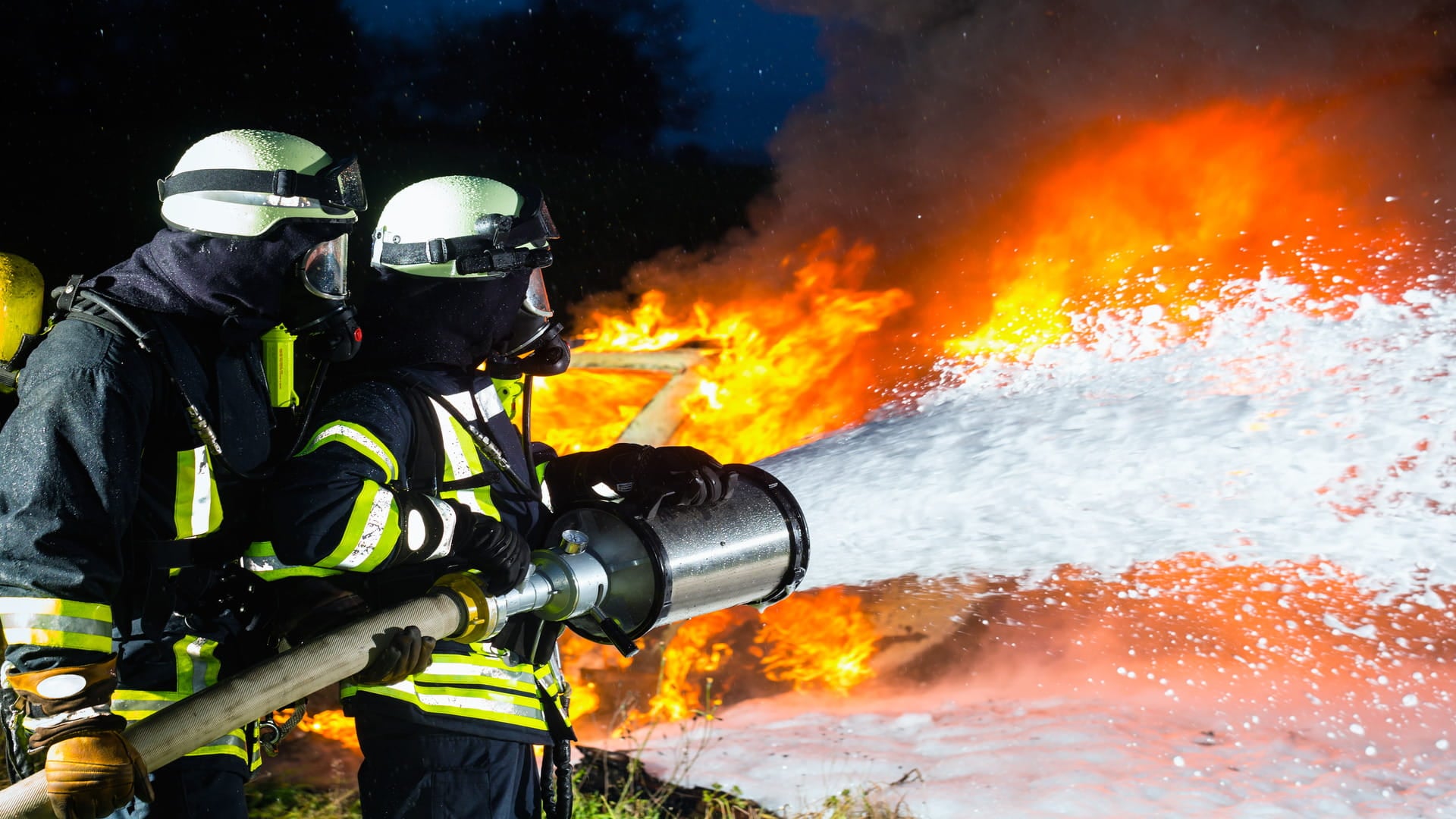
PFAS-containing firefighting foams have historically provided a level of performance that alternatives couldn’t match. They resist heat, meaning foam doesn’t collapse under high temperatures. And they repel oil and water, spreading quickly across liquid fuel fires for faster extinguishing.
But, when fire-fighting foams contain PFAS, they quickly spread them into the environment. If used in contained areas, those PFAS contaminate the ground and spread within the soil. And if used near open water, they will spread wherever that water runs.
So it’s little surprise they’re facing tightening restrictions. For example, the European Union expanded REACH (Registration, Evaluation, Authorisation and Restriction of Chemicals) to include a ban on PFAS in firefighting foams in October 2025, setting a maximum PFAS concentration of 1mg/L in foam used and sold in EU member states.
The amount of time organisations have to switch from PFAS-containing firefighting foams to fluor-free ones is staggered to ensure a smooth transition.
These time periods depend on factors such as the type of sector, the size of an organisation, the availability of safe alternatives, and the risk immediate substitution carries. More time is allocatedin situations where it’s needed, but for every organisation to meet its deadline, they need to start planning now.
What’s the best way to transition to fluor-free foams?
Currently, there are fluor-free foams which extinguish fires effectively, so transitioning away from PFAS-containing foams is feasible.
The type of foam you can switch to will depend on the scenarios you face. For instance, managing heavy oil fires will require a different foam to hydrocarbon fires. That means the first step of your transition must be investigating your need and the solutions that can meet it.
Confirm exactly what fluorinated foams you’re currently using, analyse the types of products and processes on your site – and, consequently, your fire scenarios. Then determine which fluor-free foam will provide the right level of firefighting performance for you.
Once you’ve identified the most appropriate replacement foam for your site, you’ll need to modify, or replace, your existing systems to accommodate it.
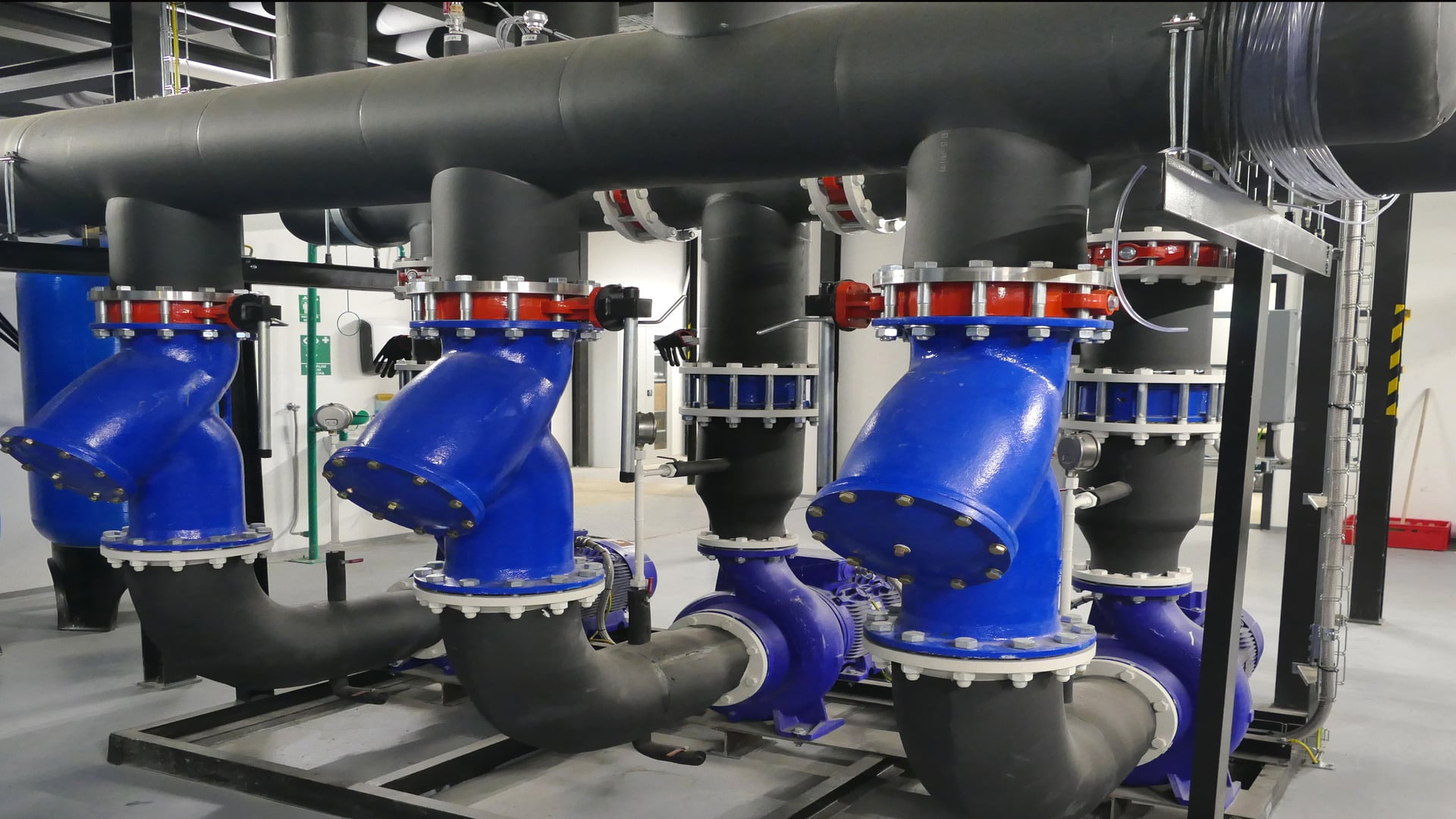
The two main options are either repurposing your existing equipment where appropriate, and flushing the systems to stop your old PFAS-containing foams contaminating your new fluor-free foams. Or installing an entirely new system.
In theory, flushing your old system is the fastest option, but it’s also riskier. You may need to run multiple flush programs to achieve acceptable levels of contamination – inflating your costs. And disposing of the flush water can sometimes carry a much higher cost than bringing in a new system.
Bringing in an entirely new system takes longer – and therefore leads to more downtime –than flushing your existing systems. But it often works out cheaper and removes the risk of contamination.
Finding the right approach will depend on your existing infrastructure, your priorities, and your budgetary and time constraints.

You might think that switching to fluor‑free foam is a major operational challenge – but with the right expertise by your side, it can become a safe, compliant, and future‑proof investment.
Ensure a safe, compliant, and confident transition
Transitioning from PFAS-containing to fluor-free foams isn’t as simple as swapping one product for another – it’s a significant operational change. And that means you need expert support across a range of disciplines.
At Haskoning, we have fire safety, industrial engineering, environmental management, water and wastewater systems, and permitting expertise in house. And we can support you through every stage of the process, from designing your transition plan to co-ordinating installation work.
We understand that your transition needs to deliver on multiple levels, so we’ll support you to make the best operational and financial decisions. Plus, with a deep understanding of the latest regulations, we’ll ensure your transition plan aligns with legislation and can be approved within realistic timelines.
What successful foam transitions look like in practice
Haskoning has a strong track record supporting organisations through the transition to fluor-free firefighting foams – giving our clients confidence that the change will be safe, compliant, and future‑proof.For example, an oil and gas operator asked Haskoning to carry out an impact analysis for replacing its fluorinated firefighting foam with a fluorine‑free alternative on one of its offshore production platforms in the North Sea.
We mapped the legal framework, making sure the operator understood its obligations and transition periods, then we prepared a transition plan.
This began with a thorough investigation into the best replacement firefighting foam which could meet both environmental compliance and firefighting performance needs. We also produced a high‑level cost estimate for the entire transition.
Another oil terminal operator found that the fire safety systems for the tanks at its oil storage terminal no longer complied with updated permit or operational requirements. The operator needed to replace these systems, including transitioning to a fluor-free firefighting foam.
Together with a partner, we carried out and supervised the replacement process, with the foam transition included as an essential part of the work.
Our support covered the permitting process, preparing the relevant fire safety documentation, and designing the new fire safety installations. And now, we’re guiding the implementation and operationalisation of that new system.
Start preparing your transition today
A successful transition relies on careful planning, and to make sure you can achieve compliance with new regulations within the accepted time period, you need to start preparing now.Get in touch with our expert team to begin the process today – and set your organisation up for safe, compliant, high-performing, and future-proof firefighting.
Managing PFAS risk in a changing landscape
PFAS risk is moving fast. This whitepaper explores where PFAS may affect your organisation and shares practical steps to reduce exposure, choose better alternatives, and plan for safer, more resilient operations.

Read more



Got a question?
Contact our Water Technology experts!