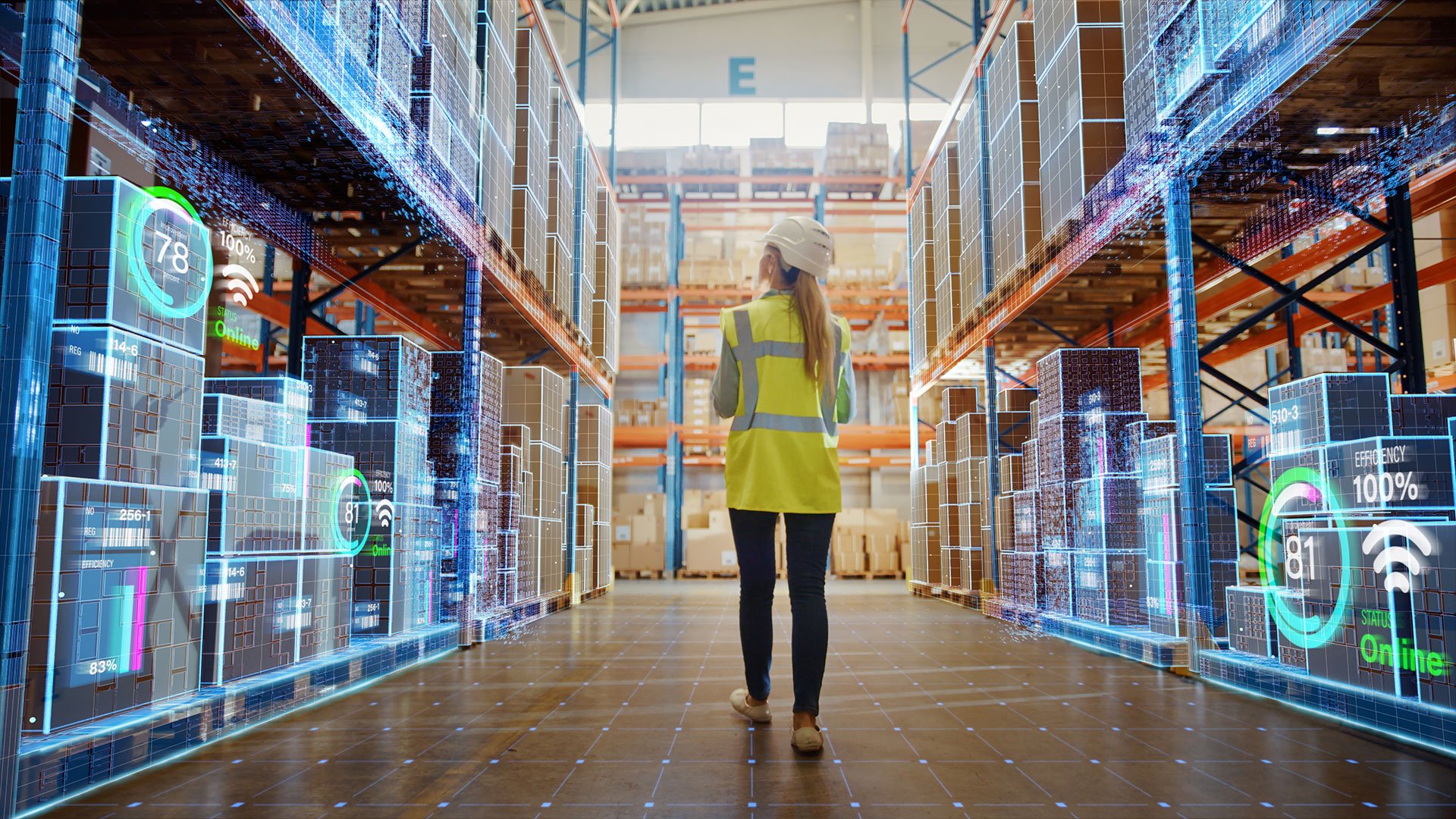
Five trends shaping resilient and future-ready supply chains
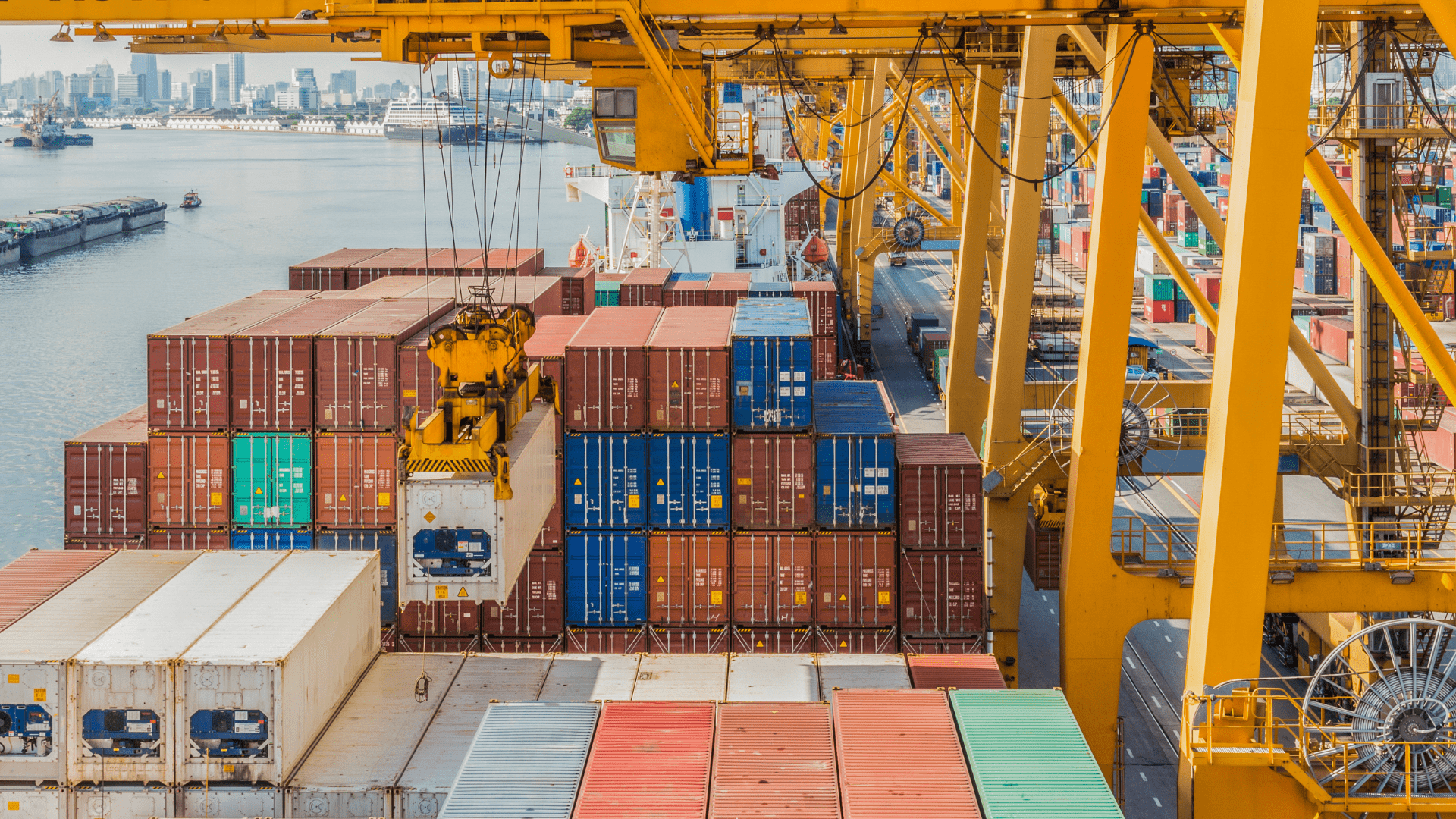
Supply chains now operate under permanent uncertainty. Geopolitical tensions, tariffs, scarcity, labour constraints and ESG requirements increase vulnerability, while customers expect higher service levels and greater transparency.
This environment forces your organisation to rethink supply chain design and logistics strategy. Cost efficiency alone is no longer enough. You must redesign for resilience, sustainability and control at the same time.
The question is no longer whether disruption will occur. It is whether your supply chain is structurally designed to absorb it.
This article explores five trends redefining how supply chains are designed and managed.
What is a future-ready supply chain?
This goes beyond incremental optimisation. It requires structural supply chain engineering that connects strategy with operational execution and physical infrastructure.

A future-ready, winning supply chain isn’t about predicting what’s next; it’s about being ready for anything, turning uncertainty into opportunity, making agility second nature, building sustainability into every step, using data to drive smarter and faster decisions, and treating teamwork as the company’s best-kept secret.
Trend 1: Resilience drives strategic network design
Resilience has moved from contingency planning to the core of network strategy. Instead of reacting to disruption with additional buffers, organisations are redesigning their networks from first principles.
For your company, this means reassessing sourcing strategy, inventory positioning, regional hub configuration and automation levels within one integrated decision framework. The trade-offs between cost, service and risk must be made explicit.
This redesign requires clear choices:
- What level of service is realistic under uncertainty?
- Which risks do you accept, and which do you mitigate structurally?
- Which risks do you foresee now, and which are likely to intensify in the future?
- How much flexibility is required in your distribution centre footprint to respond to volatility?
For example, some distribution centres may currently operate in areas with increasing flood risk. While this exposure might be manageable today, rising climate risks could make it unacceptable within a few years. These are the types of structural trade-offs organisations must assess when designing for long-term resilience.
These questions shape capital allocation, facility design and operational governance. Because network choices directly affect facilities, automation concepts and day-to-day operations, resilience increasingly demands integrated decision-making across disciplines.
Leading organisations therefore use scenario-based network modelling to test alternative configurations before committing investment. They simulate demand shifts, tariff changes and supplier disruptions to understand how their supply chain performs under stress.
Resilient supply chains are engineered deliberately, not adjusted reactively, and are designed to evolve in maturity over time.
Trend 2: Geopolitics reshapes logistics strategy
Geopolitical uncertainty is influencing production locations, storage decisions and distribution structures. Tariffs and regulatory changes directly affect lead times, customs processes and modal choices. As a result, geopolitical shifts increasingly drive the design of your supply chain network rather than merely its operation.
Your logistics strategy must therefore become adaptive rather than static. Network design is no longer a periodic exercise conducted every few years. It must become a continuous capability supported by data, modelling and governance.
Organisations that perform well under volatility institutionalise scenario-based network design. They embed modelling into strategic planning and operational decision-making so that footprint adjustments can be evaluated rapidly and with confidence.
If your organisation cannot assess alternative network configurations quickly, geopolitical shifts will dictate your performance instead of the other way around.
Trend 3: AI becomes embedded in supply chain decision-making
AI in supply chain planning is moving beyond experimentation and becoming part of the operating model.
Advanced forecasting, inventory optimisation and capacity planning can improve the speed and consistency of operational decision-making. However, technology alone does not create value. The underlying data architecture, governance and organisational capabilities determine whether AI strengthens your supply chain resilience or adds complexity.
Your organisation must define how AI recommendations are applied, when human intervention is required and how performance is measured across service, cost, risk and sustainability simultaneously.
For example, AI-driven forecasting linked directly to inventory policies and production scheduling can reduce variability and improve service levels. This only delivers results if data quality and integration across systems are robust.
The real transformation is structural. Decision-making must be designed so that AI becomes a reliable and accountable component of your supply chain operating model, leveraging historical data and behavioural patterns to anticipate future scenarios and support proactive decisions.
Trend 4: Sustainable supply chains are designed structurally
Sustainability now shapes how supply chains are engineered. Circular flows, reverse logistics, transport and packaging optimisation influence network configuration and facility design.
For your company, sustainability should be treated as a design parameter rather than an external requirement. Carbon impact, circularity and cost must be evaluated within the same modelling framework.
This affects location decisions, warehouse concepts, transport flows, fuel types, loading strategies and automation choices. When sustainability is embedded in network design and network execution, it becomes operationally deliverable rather than aspirational.
Organisations that integrate sustainability into supply chain engineering are better positioned to meet regulatory requirements while maintaining competitiveness and resilience.
Trend 5: Supply chain visibility becomes foundational
Supply chain visibility is no longer optional. Without timely insight into inventory levels, order status, capacity constraints and disruption signals, responses come too late. Variability increases and the bullwhip effect intensifies.
True visibility extends beyond dashboards. It requires aligned data standards, integration with partners and consistent metrics that reflect service, risk and sustainability in addition to cost.
When visibility is treated as a structural design requirement, it influences data architecture, governance and collaboration models. In high-performing supply chains, transparency is embedded into the operating model rather than layered on afterwards.
Moving forward
Together, these trends highlight a shift towards supply chains designed for uncertainty, balancing agility with control. Winning organisations make explicit choices about network design, decision-making and collaboration, and translate those choices into deliverable operations and infrastructure.
Moving forward means designing supply chains in context. The organisations that treat supply chain design as a strategic capability will be best positioned to navigate uncertainty.
At Haskoning, supply chain and logistics is integrated with engineering and the built environment, enabling resilient, scalable and deliverable solutions in an increasingly uncertain world.
If your organisation is rethinking its supply chain design or logistics strategy, our experts can help you translate ambition into engineered, future-ready results. Get in touch with our supply chain specialists or explore our Supply Chain and Logistics services to learn more.