Industrial innovation to craft your future
The evolution of manufacturing: embracing Industry 4.0
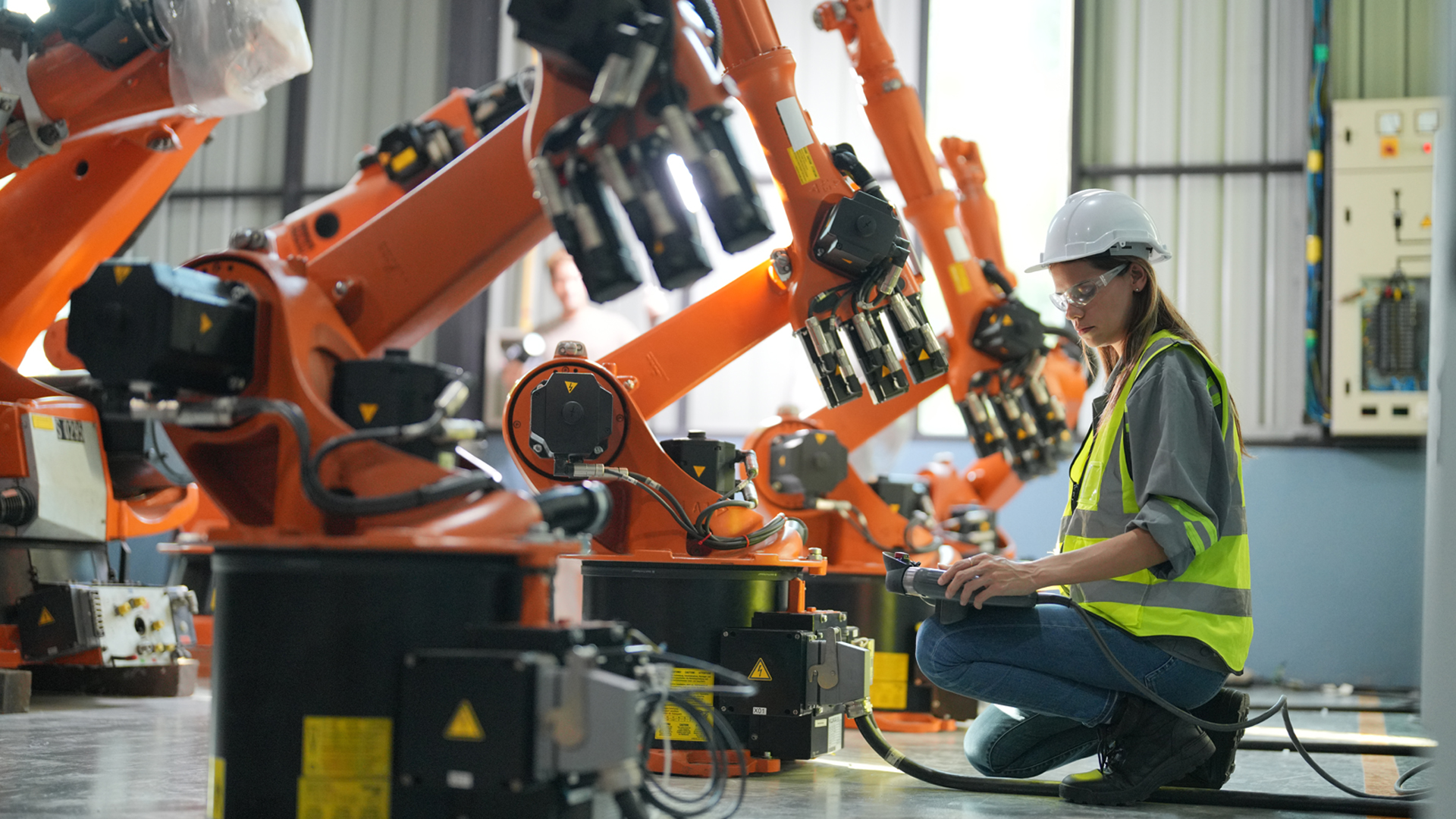
Industry 4.0 indicates the integration of digital technologies into the heart of production processes, indicating a move towards factories of the future that are smarter, more efficient, and sustainable. Transformation is not just a trend; it's a necessity that drives the manufacturing industry towards unprecedented levels of innovation and adaptability. Central to this evolution are four crucial aspects:
-
Efficiency: Streamlined processes and optimised resource utilisation drive productivity, ensuring maximum output with minimal waste.
- Flexibility: Manufacturing systems adapt dynamically to changing demands, enabling fast adjustments to production schedules and product specifications to meet evolving market needs.
- Speed to Market: Real-time data analytics and predictive maintenance facilitate product iterations and timely delivery, allowing businesses to stay ahead of the competition and meet consumer expectations.
- Sustainability: Reducing scope 1, 2, and 3 greenhouse gas emissions throughout the manufacturing lifecycle. This includes everything from resource sourcing to waste management. These targeted actions go beyond broad eco-friendly practices.
Roadmapping Industry 4.0 implementation
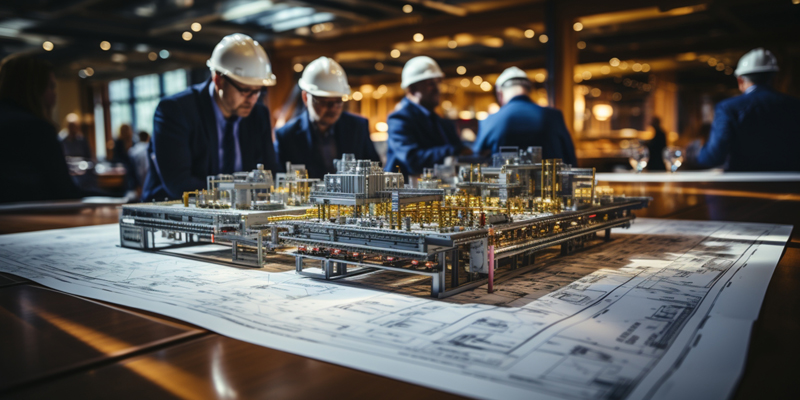
Navigating the transition to Industry 4.0 requires a strategic approach, highlighted by an implementation roadmap. This journey comes with challenges, from understanding the vast scope of digital transformation to aligning it with tangible business goals. An integral aspect of this transition is the development of employee skills to adapt to new technologies and processes.
Expanding horizons: greenfield factories and factory expansion
The expansion of manufacturing capabilities, whether through greenfield projects or the expansion of existing facilities, is a testament to the industry's growth and adaptability. These efforts are not just about scaling operations but are opportunities to embed sustainable practices and advanced technologies from the ground up. Strategic expansion is essential in accommodating the dynamic demands of the market while maintaining a commitment to sustainability and innovation.
Sustainable excellence in Industry 4.0 manufacturing
In the manufacturing industry, sustainability and Industry 4.0 technologies are merging. This integration is revolutionising product design, manufacture, and delivery. We’re seeing a major shift toward sustainable practices that do more than meet environmental standards. They also minimise ecological impacts and boost efficiency.This shift requires manufacturers to overhaul their operations. They must think critically about everything from sourcing materials to managing waste. Such comprehensive rethinking underscores sustainability’s role in the future of manufacturing.
Meanwhile, the manufacturing supply chain is embracing digital technologies. This new era enhances efficiency and resilience. By integrating sustainable methods and advanced digital tools, the supply chain becomes more adaptable to global market demands. This combination creates a strong foundation for manufacturers to quickly adjust to changes and maintain competitiveness.
Our holistic approach combines sustainable practices with the speed of Industry 4.0. This strategy not only tackles current environmental issues but also enhances market competitiveness. Adopting these integrated practices helps manufacturers balance ecological responsibility with business success.
Business case consulting: Tailoring solutions to industry needs
The complexity of transitioning to Industry 4.0 necessitates a tailored approach, one that considers the unique challenges and opportunities within each sector of the manufacturing industry. Business case consulting is important, providing the insights and strategic guidance necessary for informed decision-making and planning. This bespoke approach ensures that the solutions align with the industry's current needs and are scalable and adaptable to future challenges.