Global trends reshaping manufacturing and supply chain operations
Manufacturing in the face of growing population and demand
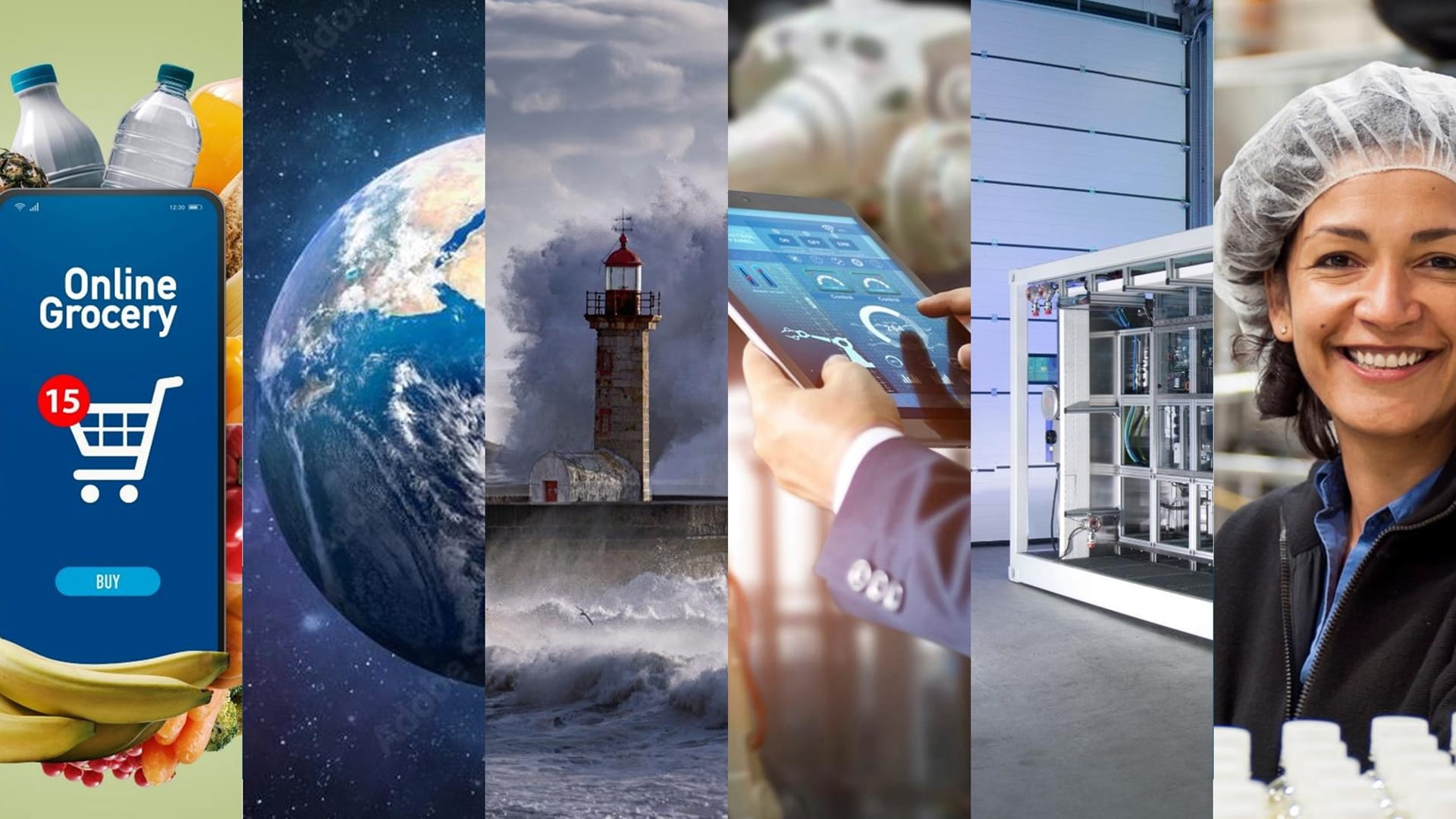
The manufacturing industry faces a significant challenge, with the projected global population reaching 9.7 billion by 2050. Balancing increasing demand with environmental concerns is crucial. To ensure sustainable growth, manufacturers must implement scalable production systems, embrace innovative technologies, and prioritise efficient resource usage. By optimising production processes and minimising environmental harm, businesses can meet the needs of a growing global population while reducing their impact on the planet.Emerging markets: a world of opportunities
Emerging markets offer vast manufacturing and supply chain operations opportunities, enabling companies to expand their reach and tap into new customer bases. However, success in these markets requires more than replicating existing strategies; it demands a deep understanding of each market's unique characteristics and dynamics.To thrive, companies must be adaptable and flexible, tailoring their strategies to align with local consumers' specific needs and preferences, including product customisation, pricing adjustments, and modifications to distribution channels to cater to distinct market conditions.
Adapting to shifting consumer behaviour
Consumer preferences profoundly impact the manufacturing and supply chain industry, driving the need for flexible strategies. Manufacturers must embrace flexible production methods, sustainable packaging, and digital technologies to meet changing expectations.The COVID-19 pandemic accelerated the shift in consumer behaviour, resulting in a surge in online shopping and heightened demand for value-driven purchases. Today, consumers place a premium on products that embody sustainability, ethical sourcing, and social responsibility. To meet these expectations, manufacturers must integrate these values into their operations, fostering transparency throughout their supply chains. Moreover, the demand for personalised goods puts pressure on the supply chain and manufacturing industry.


Consumer preferences and behaviours are crucial in shaping the manufacturing and supply chain industry. Adapting to these changes requires focusing on flexible production, sustainable packaging, and digital technologies to meet evolving expectations.
Addressing climate change and minimising environmental impact
Given the increased significance of climate change, creating a sustainable future is paramount to the manufacturing and supply chain industry. The urgent goals are to achieve net-zero emissions, conserve resources, and minimise waste. Manufacturers embrace renewable energy sources and adopt circular economy practices as critical strategies. Furthermore, fostering collaboration with suppliers to reduce environmental impact across the value chain is crucial in this initiative.Building resilient supply chains
Building resilient supply chains involves opting for smaller factories closer to customers, which helps reduce transport costs, emissions, and vulnerability to disruptions like natural disasters, international tensions, and trade disputes. This approach enhances supply chain resilience and promotes sustainability by reducing carbon emissions from long-distance transportation.The COVID-19 pandemic has disrupted global supply chains, resulting in critical shortages and delivery delays. To ensure uninterrupted operations, businesses must take proactive measures. This includes collaborating with multiple suppliers, diversifying sources, and leveraging digital technologies for transparency and real-time monitoring of supply chain activities.
These capabilities enable businesses to identify and respond to potential issues and disruptions quickly. Additionally, establishing robust contingency plans with alternative routes and backup suppliers is crucial for supply chain resilience. Emergency protocols should also be in place to ensure smooth operations during challenging situations.
Manufacturing & supply chain challenges
The manufacturing and supply chain industry faces various challenges that demand strategic solutions:1. Changes in demand patterns: Market demand patterns evolve, driving global manufacturing and supply chain operations transformations. Companies must be responsive and adaptable to cater to changing customer needs. This requires understanding customer preferences, effective demand forecasting, and agile production capabilities.
2. Sustainable manufacturing: Achieving sustainable manufacturing involves reducing energy consumption, carbon emissions, water usage, and waste generation. Manufacturers must embrace innovative technologies and practices to transition towards sustainable operations.
3. Supply chain resilience: A resilient supply chain can withstand disruptions, adapt to changing demand patterns, and efficiently utilise resources. Companies should invest in strategies that enhance supply chain resilience and mitigate risks.
4. Obsolete factories and modernisation: The challenge of outdated factories, equipment, and the need for modernisation poses a significant hurdle for the manufacturing and supply chain industry. Upgrading facilities and embracing new technologies are crucial to staying competitive and meeting evolving market demands.
5. Digital manufacturing & automation: Digital tools and Industry 4.0 techniques offer immense potential for optimising manufacturing and supply chain operations. Automation, data analytics, and advanced solutions can streamline processes, improve efficiency, and enable better decision-making.
Creating a strong future
Adopting production methods that can adapt quickly and efficiently is crucial to ensure sustainable growth. This means investing in research and development, encouraging new ideas, and working with technology experts to explore new technologies.Future-proof production methods must be flexible and adaptable. This allows for adjusting quickly to the ever-changing markets and being successful. To achieve sustainable growth, embracing new technologies and keeping up with market trends is important.
Aligning manufacturing & supply chain solutions with market needs
We have successfully supported various industries in their journey towards sustainable manufacturing. Our expertise in business case development, manufacturing consultancy, and project management is exemplified by our partnership with Redefine Meat. Together, we launched their first commercial production plant, utilising 3D printing technology to create plant-based products.We also play a pivotal role in serving the Brewery & Beverage industry, employing innovative industrial engineering solutions to support its sustainability journey. With a strong focus on resource efficiency, waste reduction, and compliance, we leverage digital tools to predict maintenance needs. Recognising the importance of adapting to changing demand patterns, we assist in swiftly developing new product lines and variations, prioritising lean production and cost minimisation. Our strategies and solutions aim to help the beverage industry achieve net-zero emissions, addressing the pressing concern of climate change.
Furthermore, our 'food factory concept' provides a scalable, modular solution not only for the beverage industry but also for sectors like Household and Personal Care Products and Retail. This concept enables agility and cost reduction, allowing manufacturers to adapt quickly to market shifts. Emphasising local production enhances sustainability and supply chain efficiency across these industries. Industries can use our multidisciplinary expertise to implement this concept and benefit from innovations across multiple sectors.
In addition, we support Technological and Pharmaceutical Companies by offering services such as conducting feasibility studies, optimising laboratories and cleanrooms, and managing project logistics from planning to execution. We also assist in identifying ideal facility locations, considering factors like supply chain logistics and environmental impact. Our services adhere to the highest quality and safety standards, allowing clients to focus on their core processes.