Circular design consultancy
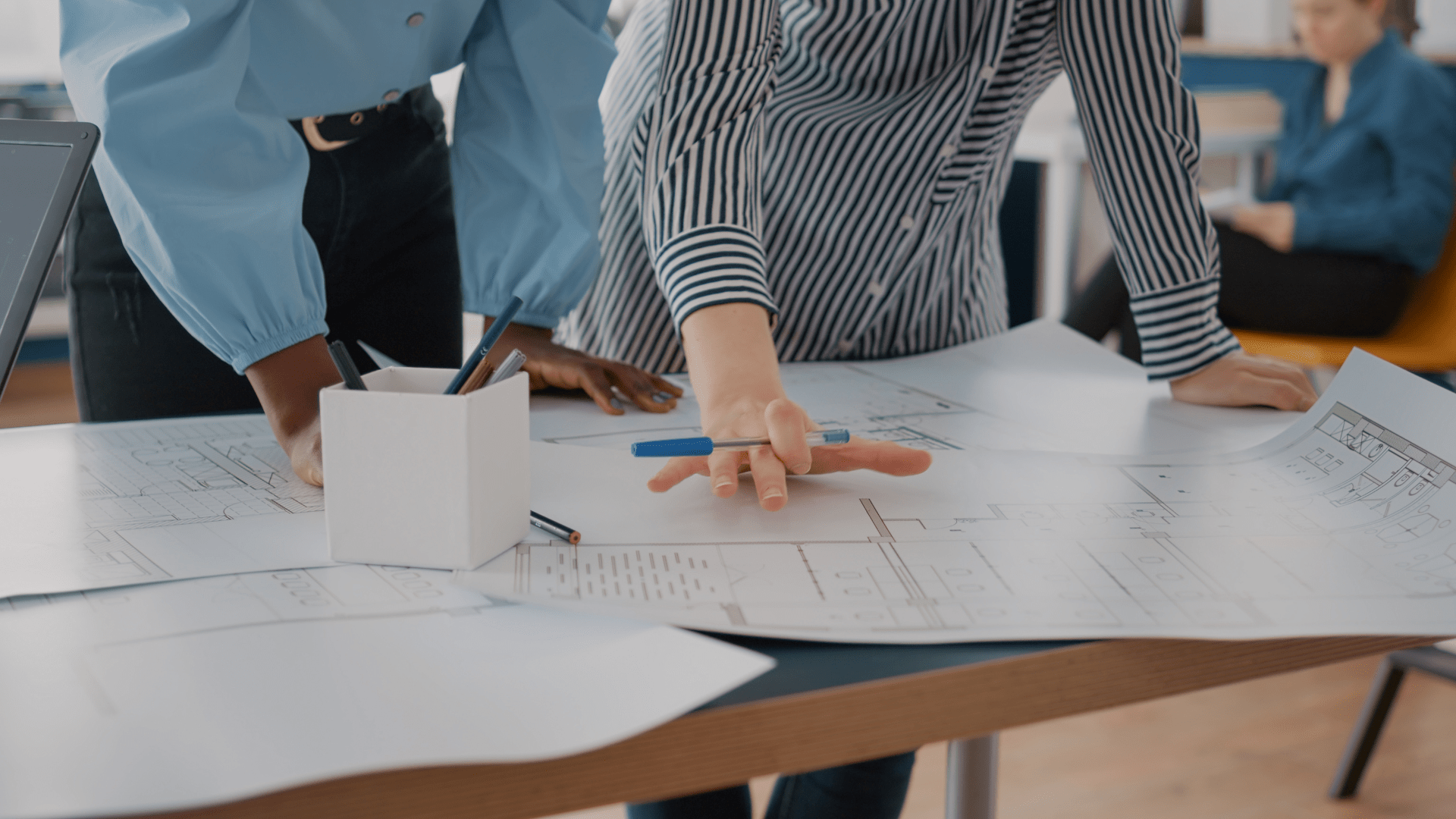
As a building owner or real estate manager with (re)development plans, you’re facing a complex puzzle. A range of factors come into play. In addition to your own sustainability ambitions, consider CO₂ reduction to meet the goals of the Paris Climate Agreement, or the growing scarcity and rising costs of materials. Our circular design consultancy helps you find the right solutions. We take a broad approach, based on 4 circular pillars:
- Refuse & Reduce: focused on limiting or avoiding material use and new construction (only use what is truly necessary).
- Biological cycle: designing with renewable materials that can be used long-term without depleting the planet.
- Technical cycle: using existing materials to avoid producing new ones, through urban mining.
- Disassembly: designing buildings with future reuse in mind (e.g. using screws and bolts instead of adhesives or poured concrete).
Circularity in our own offices
We practise what we preach. We believe in circularity and apply it to our own buildings, such as in Amsterdam and Delft. The historic former faculty building of TU Delft was upgraded from energy label G to A++++. This allowed us to reuse the building sustainably and avoid new construction. We also used existing materials, such as wooden flooring, carpets, and 300 ventilation grilles for our meeting rooms in the atrium. All furniture was reused from our previous offices in The Hague and Rotterdam.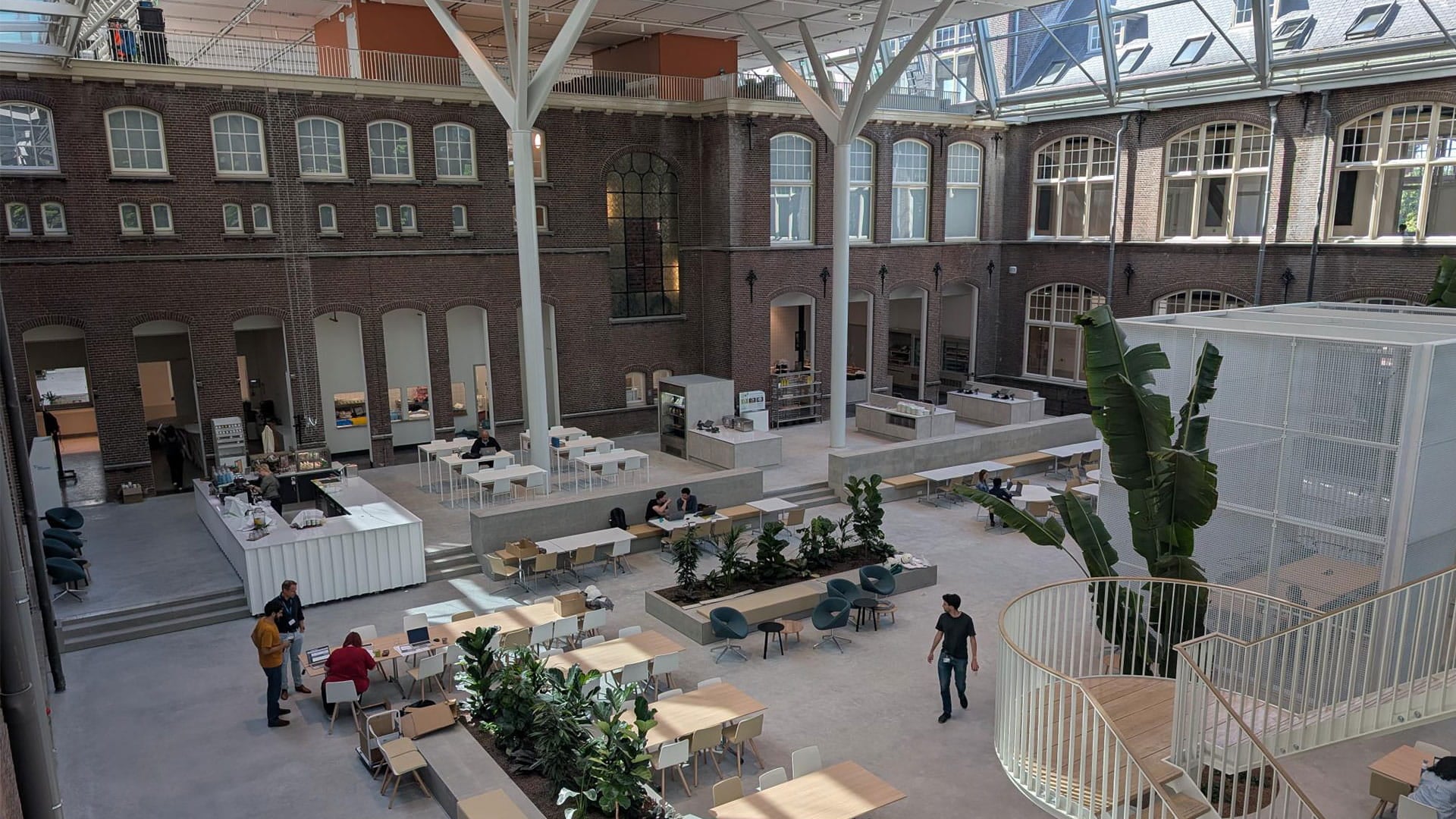
Hybrid approach
Our focus is on strategies that close the loop and reduce environmental impact. This can involve using renewable materials like timber, which already offer emissions savings during production. Or designing ‘passive’ buildings, where the design is shaped by the influence of sun, wind and rain. By modelling your building based on these climatic conditions, we arrive at a solution with fewer installations and therefore less environmental impact.
Which strategy fits best? We tailor it to your building using the 4 circular pillars. A strong circular design often benefits from a hybrid approach, combining multiple pillars. But if one pillar suits your situation best, we’ll focus on that.
A circular building for Tilburg University
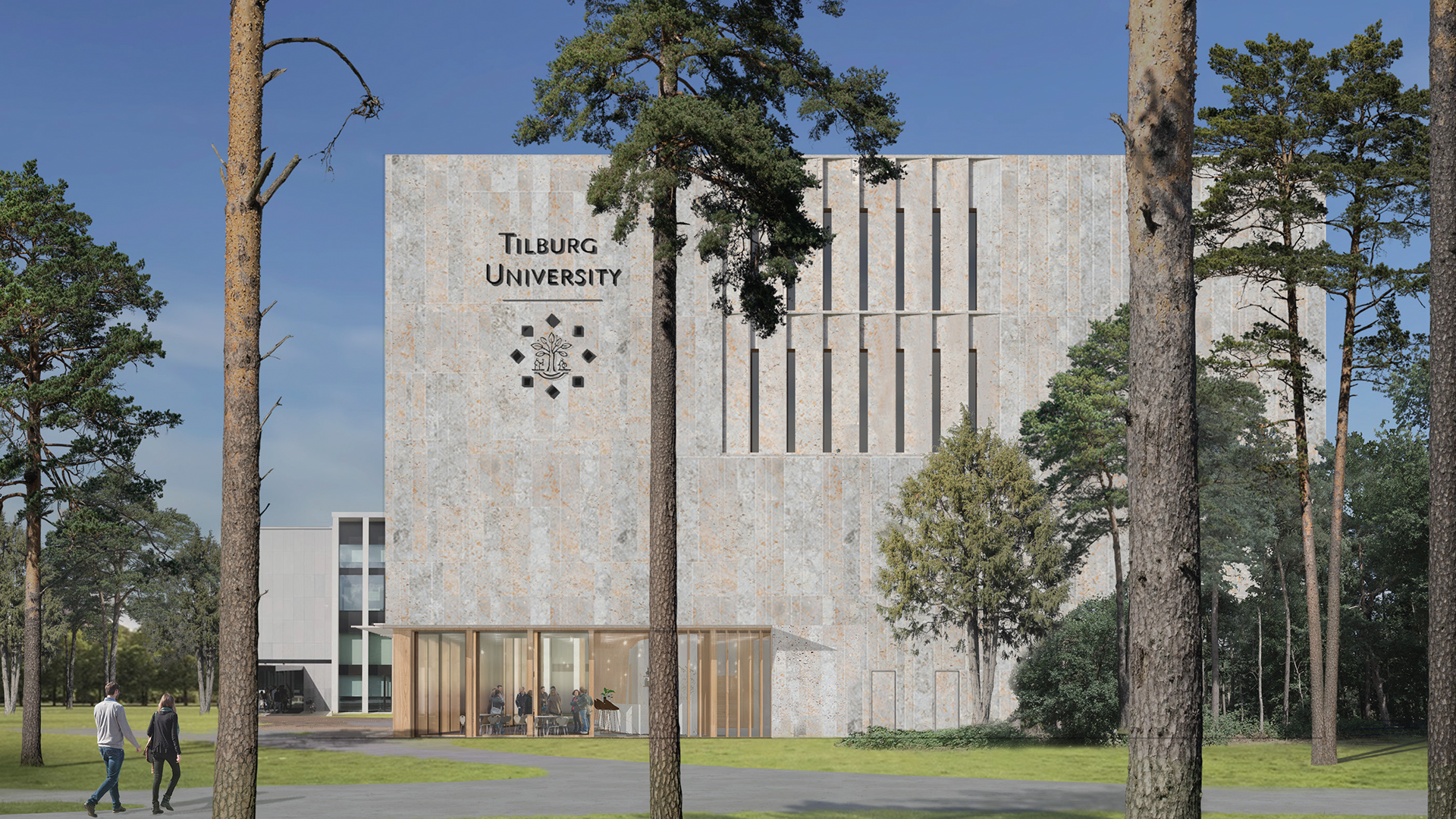
To support new teaching methods and energy savings, Tilburg University needed a new building. To make it as sustainable and circular as possible, we jointly opted for timber construction and a demountable design for the connections between building components. These circular measures resulted in a high circularity score and low environmental impact. The project was awarded the Cobouw Sustainability Award in 2024.
We actively contribute to new legislation around sustainable material use and work to increase the value of existing buildings. We’re not afraid to innovate and we can, thanks to our experience and expertise. For example, in biobased construction, we have the building physics knowledge to advise on aspects such as structure, connections, acoustics and fire safety. We know the materials and the suppliers. And if biobased doesn’t suit your project, we switch to low-CO₂ alternatives of conventional materials, such as green steel or green concrete. Or we develop a different circular strategy.
Everything in-house
We enjoy collaborating with other parties, but we also have everything in-house to guide your circular journey from start to finish. Our large international and interdisciplinary team covers the entire chain and includes architects, engineers, data experts, specialists in building physics, technology and installations, as well as consultants and project managers.
What does circular design consultancy deliver? It’s not just a way to reduce your environmental impact and remain flexible for the future. It’s also an economically sound choice. Many materials are becoming more scarce and more expensive. Those who prepare well now can avoid future supply issues and price hikes. Then there’s the residual value of reusable materials. A building that used to be worthless after a certain time now retains value thanks to its reusable components. That creates more room for investment. In this way, multiple elements contribute to a solid business case for your circular solution.