Earthquake engineering
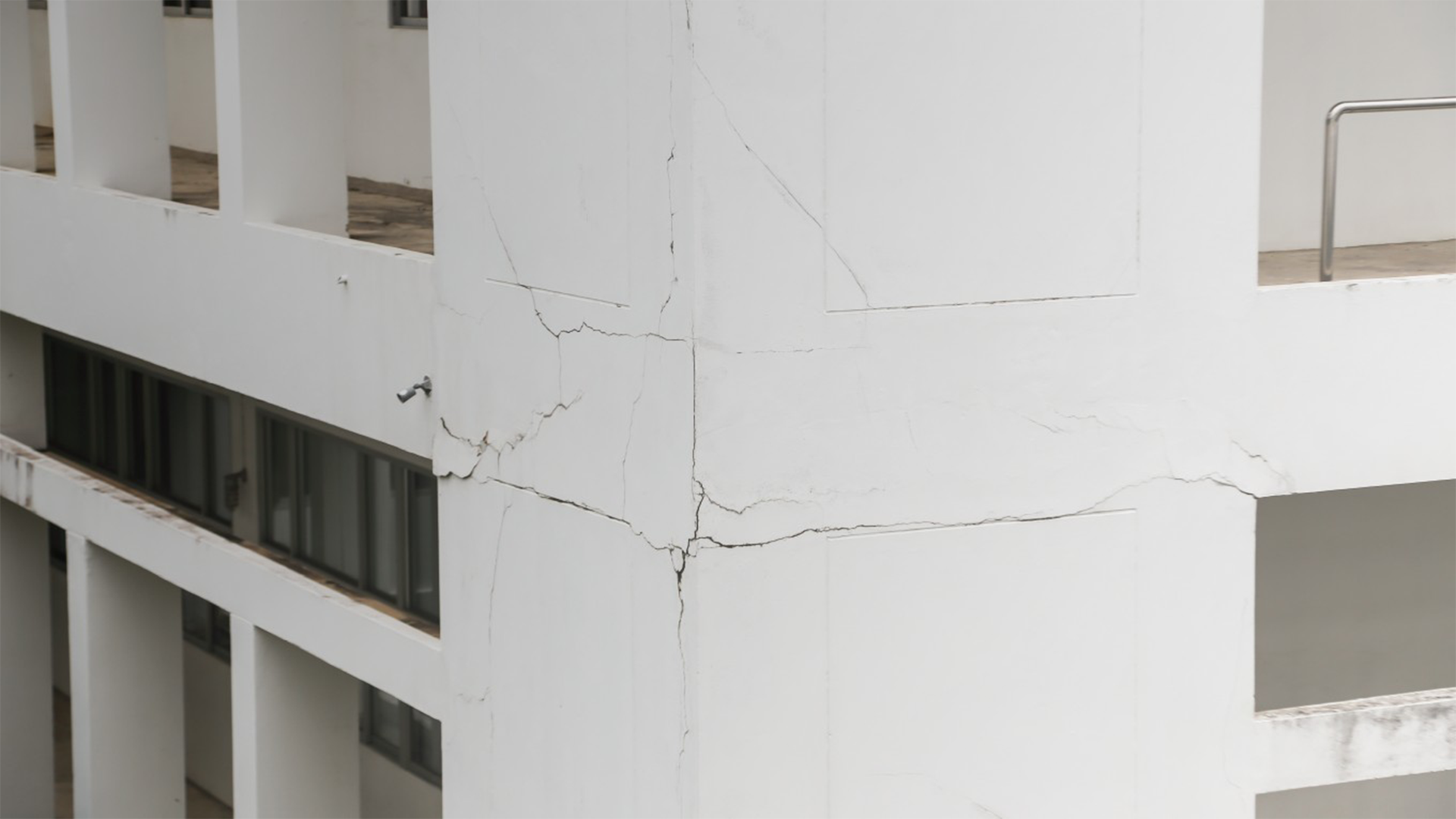
Our highly experienced team is not only able to design new buildings for earthquake risk zones but can also take on the complex and demanding task of assessing and adjusting existing buildings to ensure their users are protected.
Evolving risk of earthquakes
Natural gas extraction has the potential to supply large amounts of energy and reduce prices for consumers. But it is also linked to an increase in seismic activity which puts homes and businesses at risk.Our team of earthquake engineers, part of our Advanced Technology & Research group, has been integral to the long-term programme of assessment and retrofitting in Groningen in the Netherlands – an area affected by an increase in seismic activity due to fracking.
This embedded involvement has helped the team develop extensive and efficient techniques and methods for assessing and upgrading existing buildings. It has also increased the team’s expertise in seismic activity which supports their work in more traditional high risk earthquake zones.
Advanced assessment of seismic risk
Earthquake engineers consider a multitude of factors relating to ground movement and structural response. Our team has access to advanced modelling techniques and software to support a full spectrum of assessment methods including:
- Lateral force method (LFM)
- Modal Response Spectrum Analysis (MRS
- Non-Linear Push Over (NLPO)
- Non-Linear Time History (NLTH)
Our earthquake engineers also have access to Haskoning’s extensive server network. This allows them to harness impressive computational power for calculations, significantly speeding up the assessment process and create complex digital models.
When combined with in-house expertise and experience, these models provide essential decision support in selecting appropriate earthquake risk mitigation. They also deliver continuous feedback to improve knowledge and understanding of the impact of earthquakes on existing buildings.
Delivering rapid assessments to maintain business continuity
These assessment tools and techniques can be used to identify risk to business or commercial property. Fears for staff and structural safety can cause lengthy shutdowns and problems for supply chains. With their access to advanced modelling, our team can rapidly assess damage and risk. They can also suggest short-term solutions to help maintain business continuity whilst longer-term measures are put in place.Living with risk
An increase in earthquake risk is a huge concern for people living and working in the region. But moving may not be a practical option.In cases like Groningen where up to 30.000 buildings are affected by the change in risk, safe yet rapid assessment and upgrading of buildings is essential if owners and residents are to feel protected.
To help deliver this, our team designed a reference guide for the retrofitting of buildings in Groningen. Used once the level of risk to a building is identified, this guide helps streamline the selection process for retrofitting measures, ensuring effective measures can be rapidly put in place. The guide has been adopted by all companies working on the project.
Protecting sensitive or high-risk buildings
In some cases, the goal of earthquake risk mitigation is to avoid lethal hazards and injury to users. A building could sustain damage but would be designed in such a way as to protect life.In other circumstances, keeping damage to a minimum is essential. Our team has significant experience in working on such sensitive buildings, including nuclear reactors, to assess risk and put measures in place to minimise damage in the event of an earthquake.
Regional context for earthquake engineering
Knowledge gained by our Advanced Technology & Research team in the studies of earthquake activity is readily applied to other areas of the world. The modelling and risk assessment techniques can be implemented globally. This technical ability combined with in-country experience and, thanks to Haskoning’s global presence, solid relationships with key stakeholders means that we are well positioned to assess earthquake risk in any location.