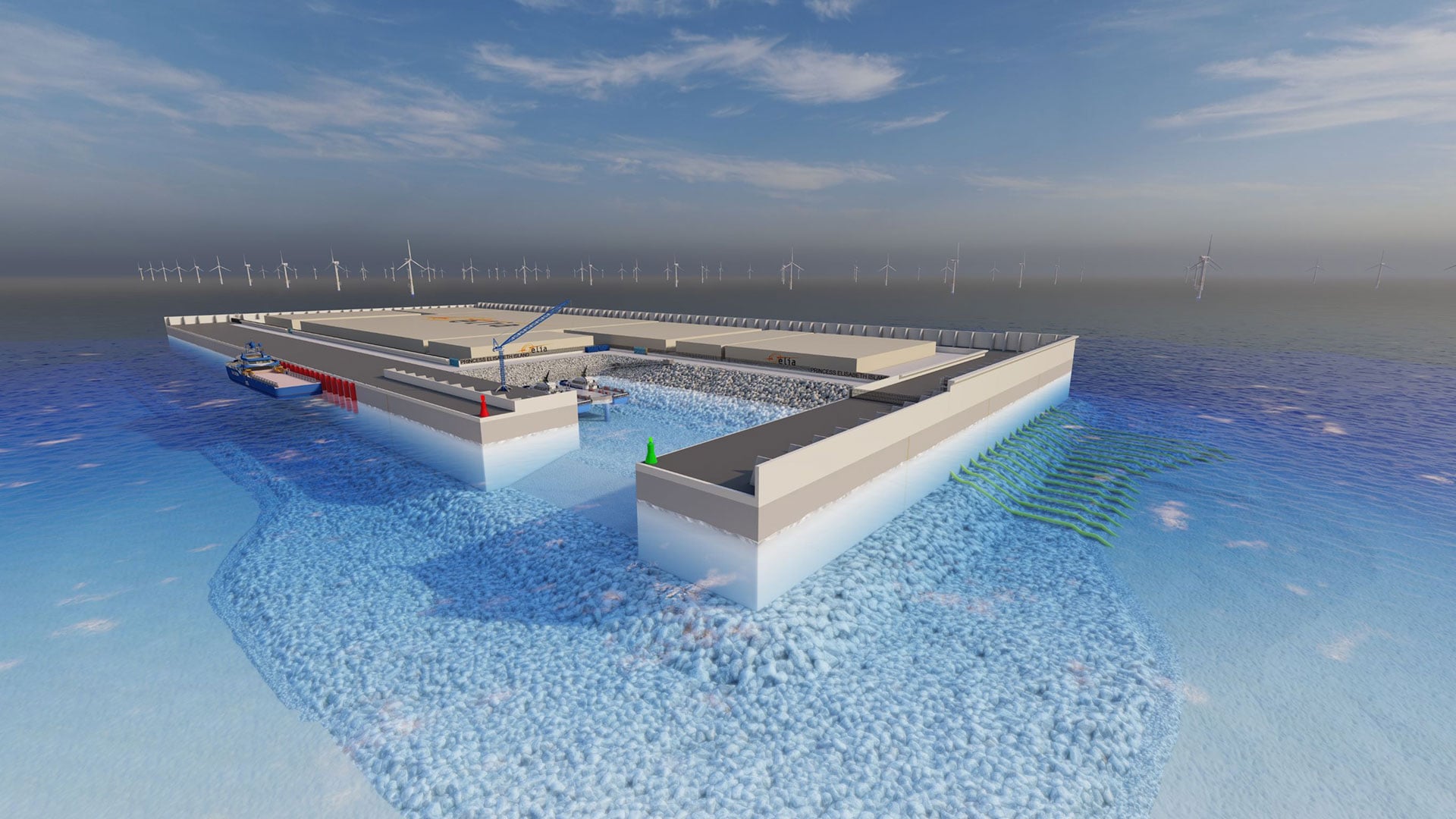
Detailed design support for the Princess Elisabeth Energy Island
Project facts
- Client
- TM Edison
- Challenge
- The world's first energy island also leads to the exploration of new territories in the design.
- Date
- 2022 - current
- Solution
- A winning tender and an approved Detailed Design for the Princess Elisabeth Island that's resilient to climate hazards.
- Location
- The North Sea (Belgium)
The challenge: designing a first-of-its-kind energy island
Designing the Princess Elisabeth Island isn’t a simple task. As well as pressure from the project being the first of its kind, the North Sea environment throws up challenges of its own. The electrical infrastructure must be protected from high waves, wind, rain, and flooding, and the project needs to adhere to tight timelines. Construction is expected to be complete by 2027 with the energy island planned to be operational by 2030.
The solution: collaboration for a winning design
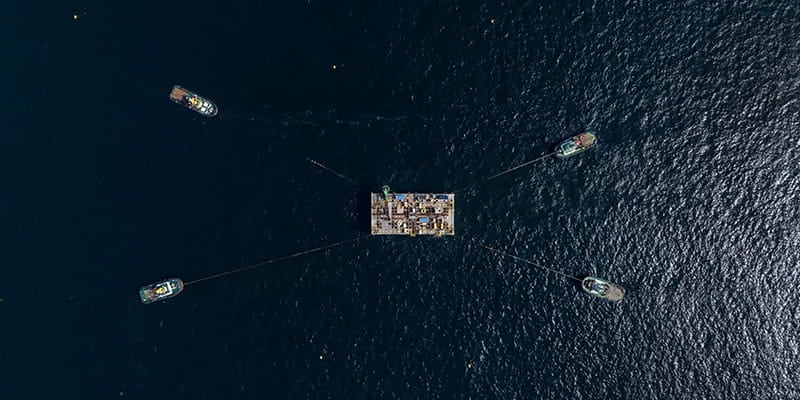
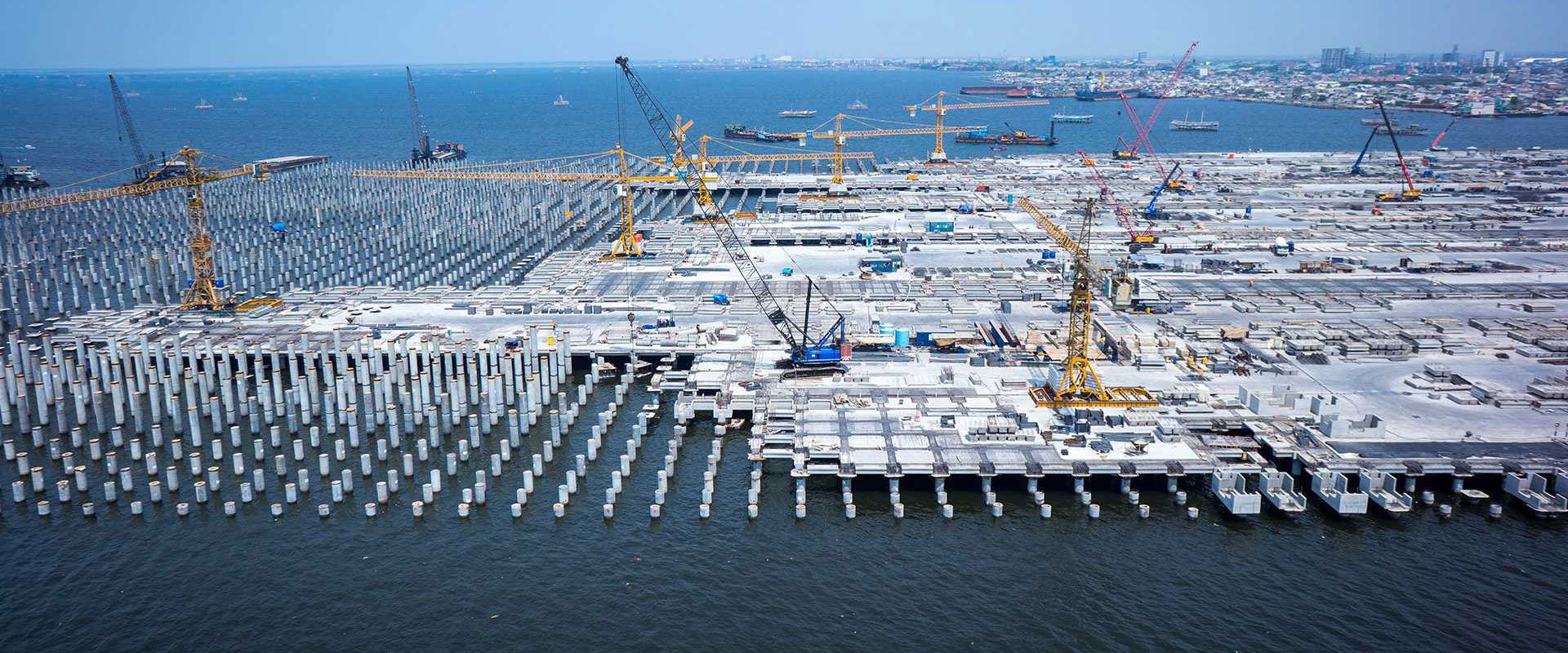
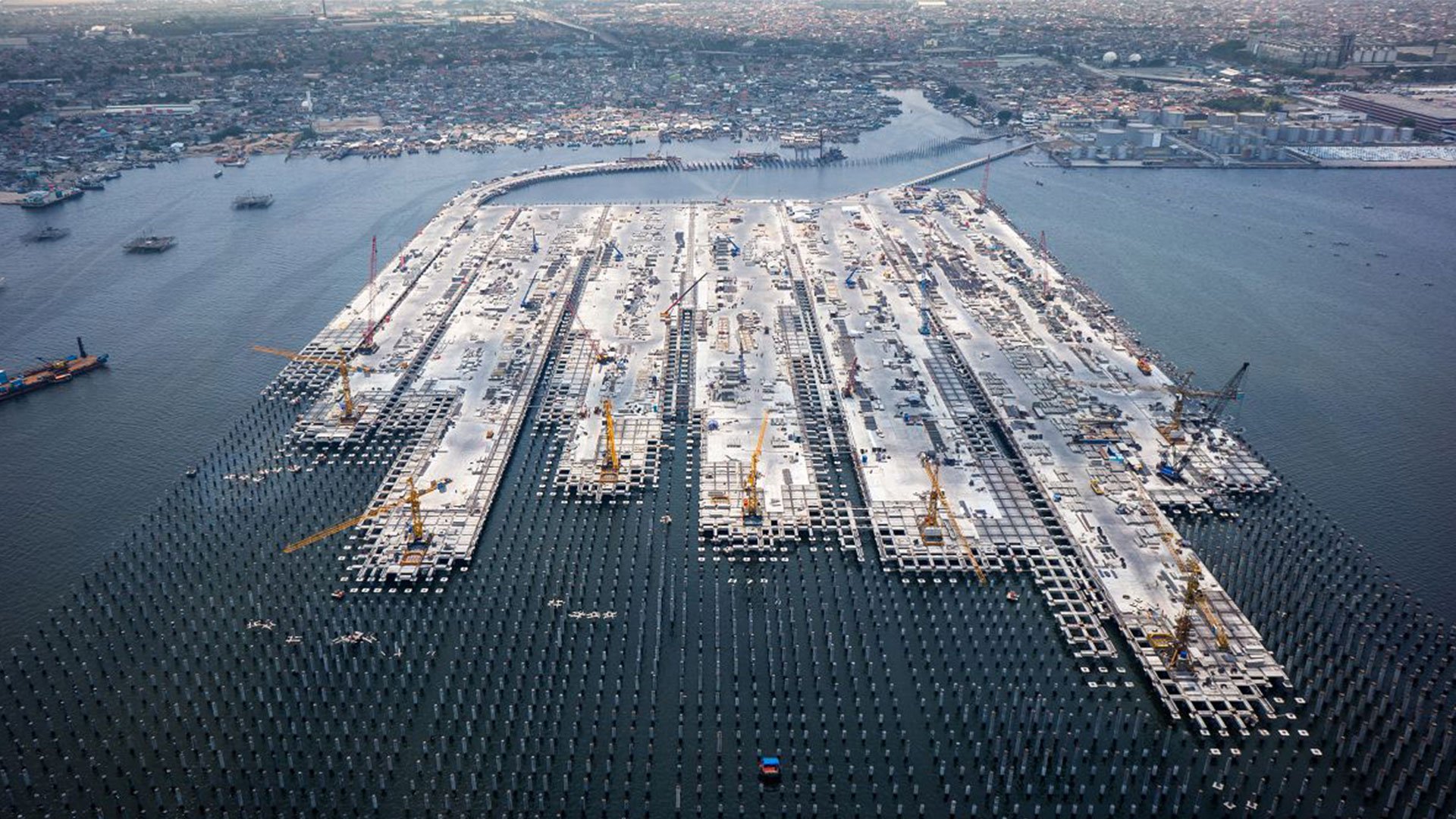
We used our expertise to help review the technical aspects of the available reference design with Belgian partner, SBE, including creating several design iterations to optimise the island’s configuration, caisson geometrics, and wave walls to protect the island.
We also worked closely with TM Edison’s construction and project management teams to reduce the amount of materials needed and make the island easier to build.
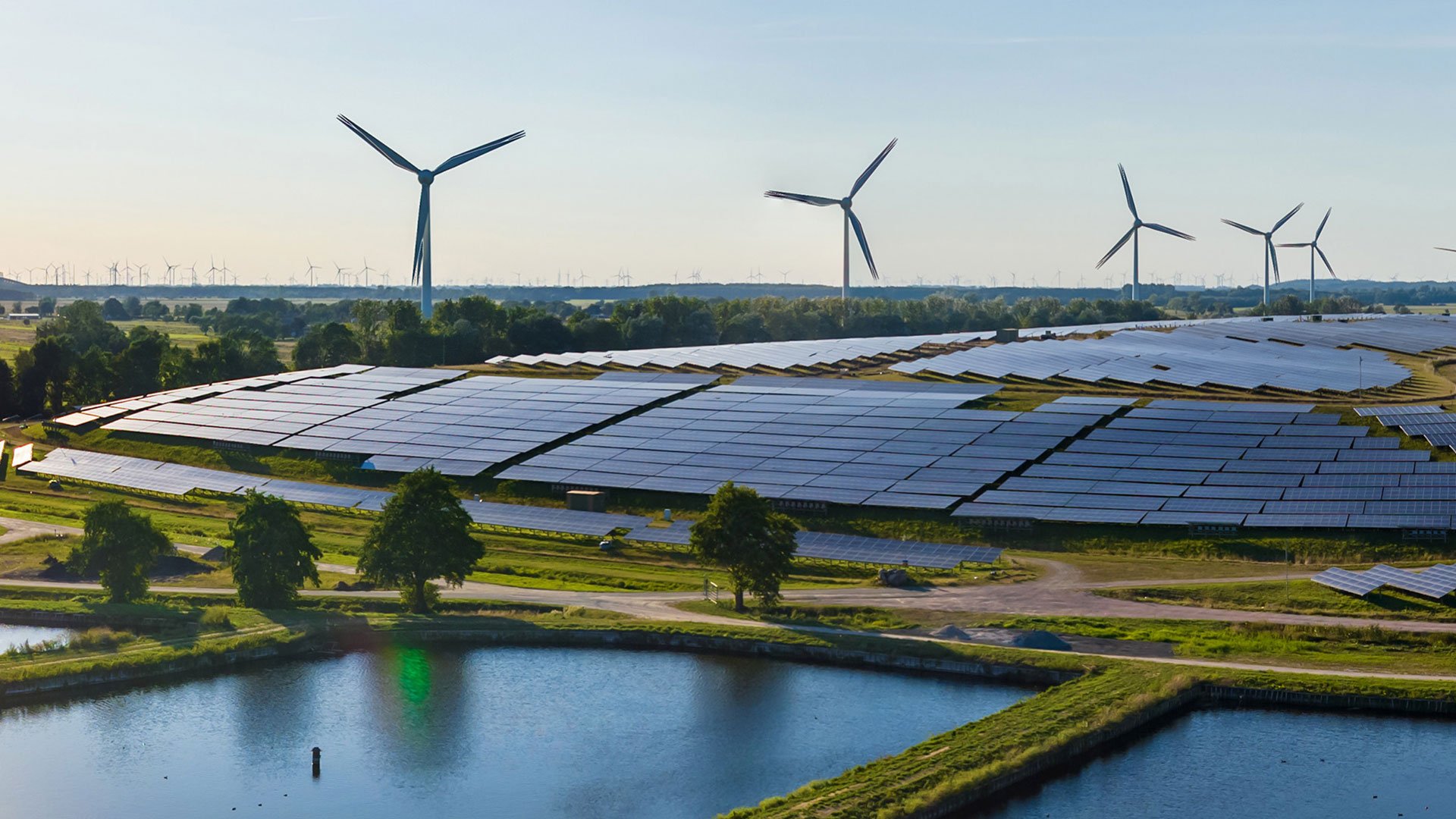
We’re thrilled to design this first-of-its-kind energy island, and bring even more renewable energy to the grid, accelerating the European energy transition.
The result: an innovative energy island protected for the future
Our review and subsequent recommendations and optimisations of the reference design – strongly supported TM Edison’s winning bid for the Engineering, Procurement, Construction and Installation (EPCI) scope of the Princess Elisabeth Energy Island.
Over the past years we worked with TM Edison to prepare the detailed design for Princess Elisabeth Island. Building on our experience we prepared the detailed design, ready for construction.