Can you engineer biodiversity?

Marijnde Kool
Marijn de Kool is an Ecologist at Haskoning, specialising in nature-inclusive design and aquatic ecology. He works to strengthen nature-inclusive design by raising awareness across projects and has helped develop practical tools such as the nature potential scan, enabling clients to identify opportunities for biodiversity enhancement in urban and infrastructure projects. Marijn is also involved in projects driven by the European Water Framework Directive (WFD), focusing on assessing and improving the ecological quality of water systems. He combines ecological expertise with experience in data analysis and visualisation to support biodiversity enhancement.

LauraOosting
Laura Oosting is a Biodiversity Consultant at Haskoning, specialising in biodiversity policy development and implementation, as well as safeguarding the ecological functioning of nature-based solutions and nature-inclusive design. She supports clients in translating biodiversity ambitions into actionable goals, embedding them into policy and projects, advising on effective measures, and helping determine ecological and societal value. Laura works across sectors including industry, buildings, water, and maritime, helping organisations integrate biodiversity in a practical, future-focused, and measurable way.
1. Build biodiversity from the baseline
Laura: Improving biodiversity doesn’t have to be difficult. It just means creating complete habitats for (selected) species so that others can thrive alongside. Biodiversity is built from the base up so the key to a long-term, sustainable ecosystem is to focus on the species that should be in the area. Supporting this baseline is far less complex or challenging than seeking to attract a rare or endangered species. If the foundation species are in place, they will provide the basis on which greater biodiversity can build.Measures can be as simple as selecting the correct vegetation and plant species for landscaping. Adding small measures such as bat boxes, wildflowers for pollinators or raised fences for hedgehogs can all make a difference.
Marijn: Understanding which species to target involves numerous data collection methods – from national or municipal databases to field observation. As data availability increases through long term monitoring, expanded collection efforts, and the growing availability of open-source datasets, and as AI provides instant analysis and insights, this baseline assessment is becoming more detailed.
Countries such as the UK are stipulating that biodiversity net gain is incorporated into development, as a result, monitoring and assessment of biodiversity is increasingly built into the planning phase.
2. Let nature in, from the start
Laura: Nature inclusive design and measures to improve biodiversity don’t have to be major elements of a project. As mentioned, it can be as simple as making sure planting plans include the right species and are positioned to provide corridors for wildlife to travel along – something we are exploring extensively with our work on the Vlietlijn, a new tram connection between Voorburg, Rijswijk, and The Hague in the Netherlands. What is more difficult is attempting to bolt on measures as an afterthought.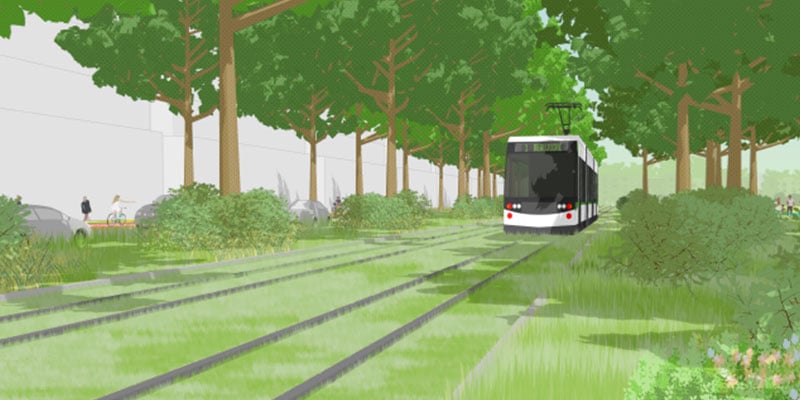
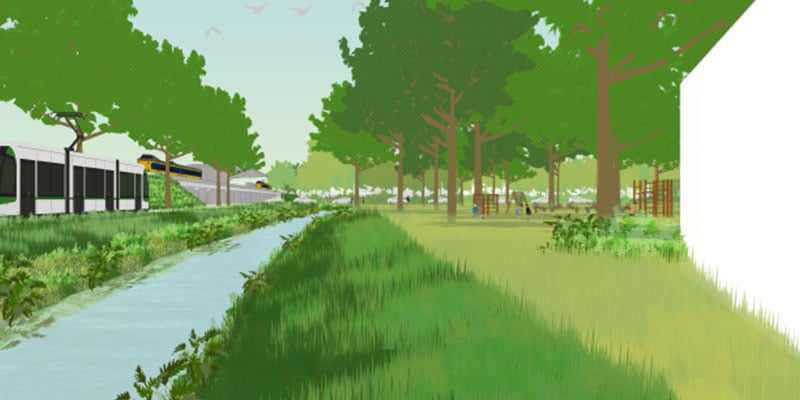
For a long time, urban development plans were visualised to be as slick as possible: concrete, steel, glass. But this is softening as owners, operators and designers see the benefits of bringing nature in – not just in terms of benefits for plant and animal life, but for humans too. In the UK, a study of three NHS hospitals showed the measurable impact of green space on staff well-being and there is evidence that it also helps patient recovery. Whether it’s green space for office workers to enjoy a break or a stunning rooftop garden that becomes a visitor attraction, including nature can improve well-being and productivity alongside supporting biological diversity.
Investors are responding. The CSRD legislation is proving a catalyst for conversations around environmental impact, reporting and expectations. Increasingly investors are showing willing to explore the potential of nature inclusive design and biodiversity.
Publicly funded projects are also championing this approach, as seen with recent projects, such as the selection of a sandy foreshore design rather than the traditional two metre elevation at IJsselmeerdijk. Some such as the World Bank have funding guidelines in place to support the selection of nature-based solutions.
3. Celebrate the connections between biodiversity, energy and climate change
Marijn: Developers can feel like they face an ever-growing list of legislative demands and social expectation. Although clearly there is a need to improve energy efficiency, adapt buildings and infrastructure to our changing climate, and deliver better and more accessible sustainable transport, they can all bring additional cost and complications in the planning permission application or permitting process.
Consultants have a communication and coordination task to do here. These different elements cannot and should not be treated as separate entities.
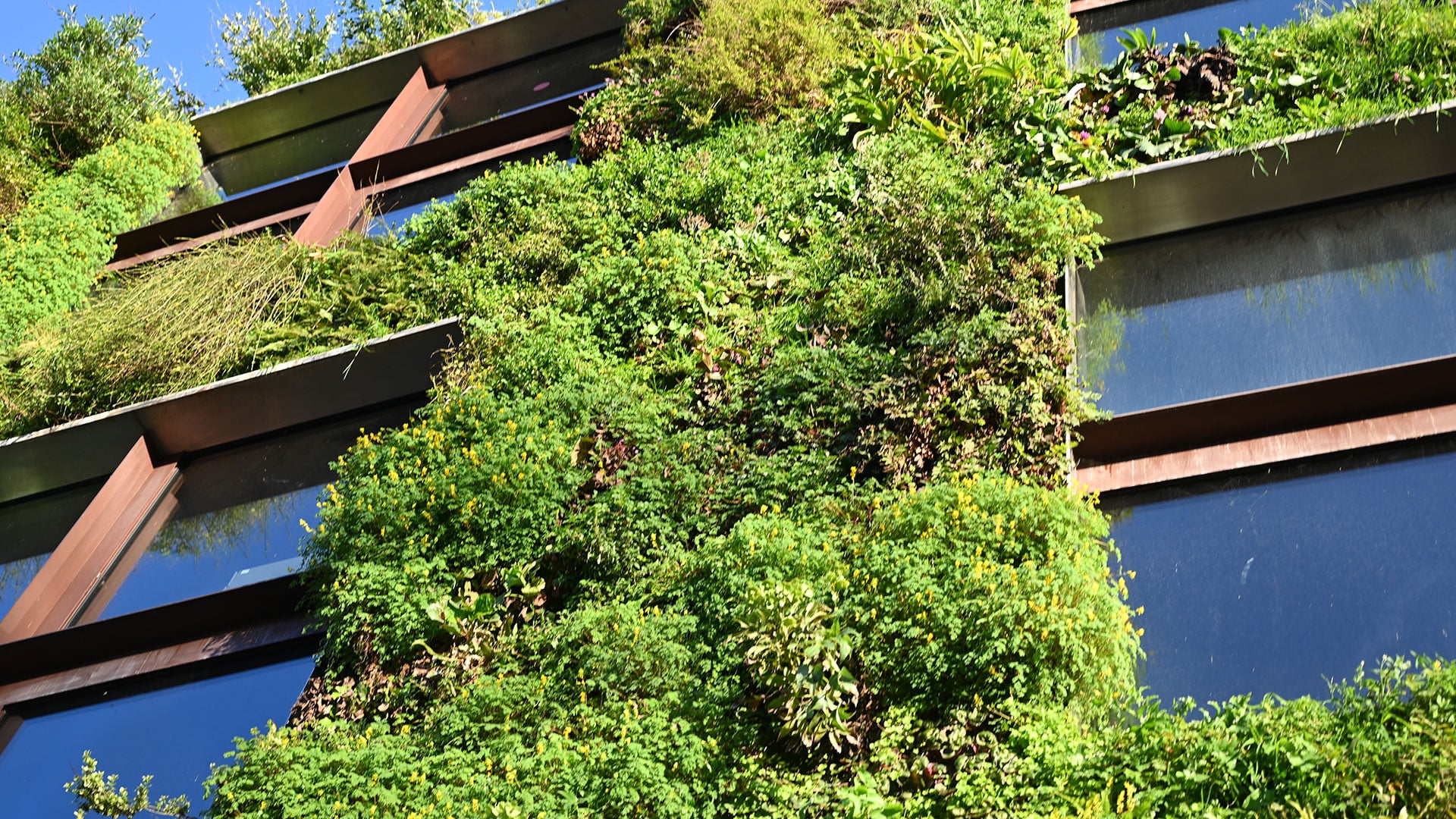
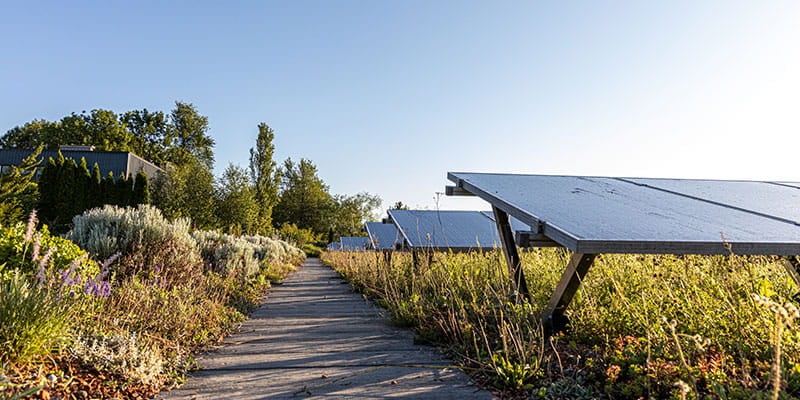
Building with nature in mind is closely linked to energy saving and climate change mitigation measures, for example a biodiverse green roof not only improves biodiversity but may also help with building cooling. These kinds of benefits are increasingly being quantified, helping developers to make decisions that benefit both the business case and biodiversity.
Enhancing society, building biodiversity
At Haskoning the interconnection of these key areas of impact are embodied within our purpose matrix – a graphic visualisation aligned with the UN Sustainable Development Goals. The matrix helps us assess our project work against five Enhancing Society Together themes: Climate Change, Biodiversity & Natural Systems, Resources & Circularity, Social Value & Equality, and Health, Safety & Well-being. The results help guide conversations, support decision-making, and to shape our project work.Taking a holistic approach to early-stage planning and understanding the interconnections and impact that different design elements can have, will result in better coordinated, multi-faceted projects that meet requirements, exceed expectations, and deliver for people and the planet.