Shore power – from feasibility to operation

Alex Ruijs
As regulations come in from the EU and IMO, more ports around the world are deciding to provide shore power systems for visiting vessels.
But it’s a big undertaking that requires large investment – so it’s important to get your shore power project right.
Is shore power worth the investment?
While shore power is a significant investment, it’s a valuable and necessary one. The EU is planning to introduce regulations stating all large seagoing ships in European ports must use shore power by 2030, and this will soon be followed by legislation in Asia and the rest of the world.
But it’s not just regulations that make shore power a necessary investment.
Deploying shore power systems helps reduce ship-related emissions, particularly benefiting the densely populated urban areas surrounding ports where noise and air quality concerns are most critical. With shore power, shipping lines are also able to adopt a greener status, and local communities benefit from reduced health risks.
Plus, you can recuperate a portion of your investment in the sales margin of selling grid electricity to ships while they are connected to your shore power system.
Understand the components of your shore power system
To provide shore power to vessels you need a grid connection – and that means circumnavigating grid congestion. There are several technologies that can help you manage this. At Haskoning, our experts can help you through the grid connection process and accelerate approval.
As well as a connection to the grid you also need connection points for moored vessels.
The number of shore power zones you’ll be able to accommodate depends on the length of your quay. Each vessel requires its own individual connection point so if the electrical system on one ship fails, it won’t affect another vessel.
While planning your shore power installation, you need to establish how many vessels your quay can accommodate while allowing for space between moored vessels. You can then design a shore power system with same amount of connection points.
You also need to consider the supply frequency needed for different vessels, which in most cases will require a frequency converter.
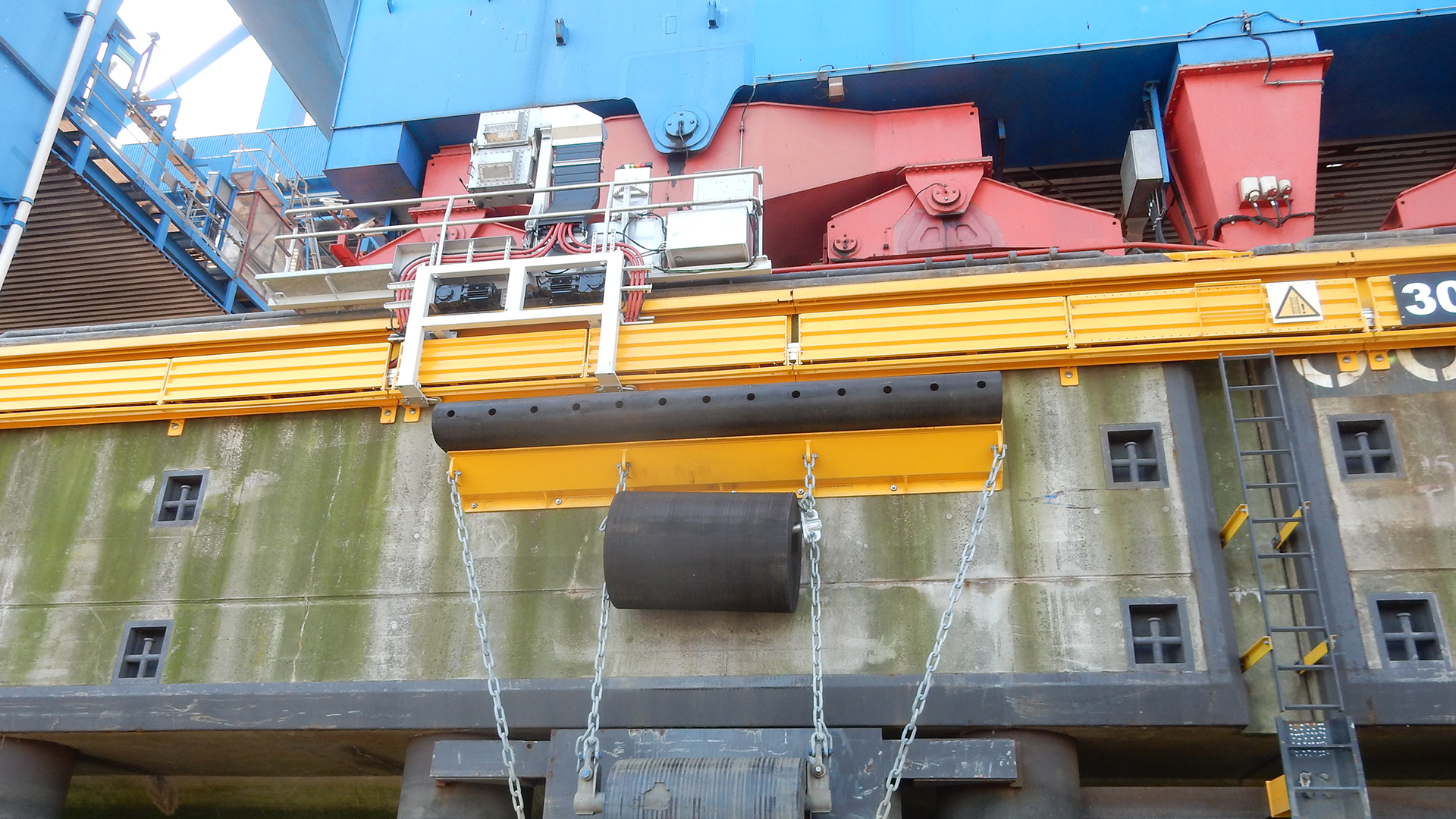
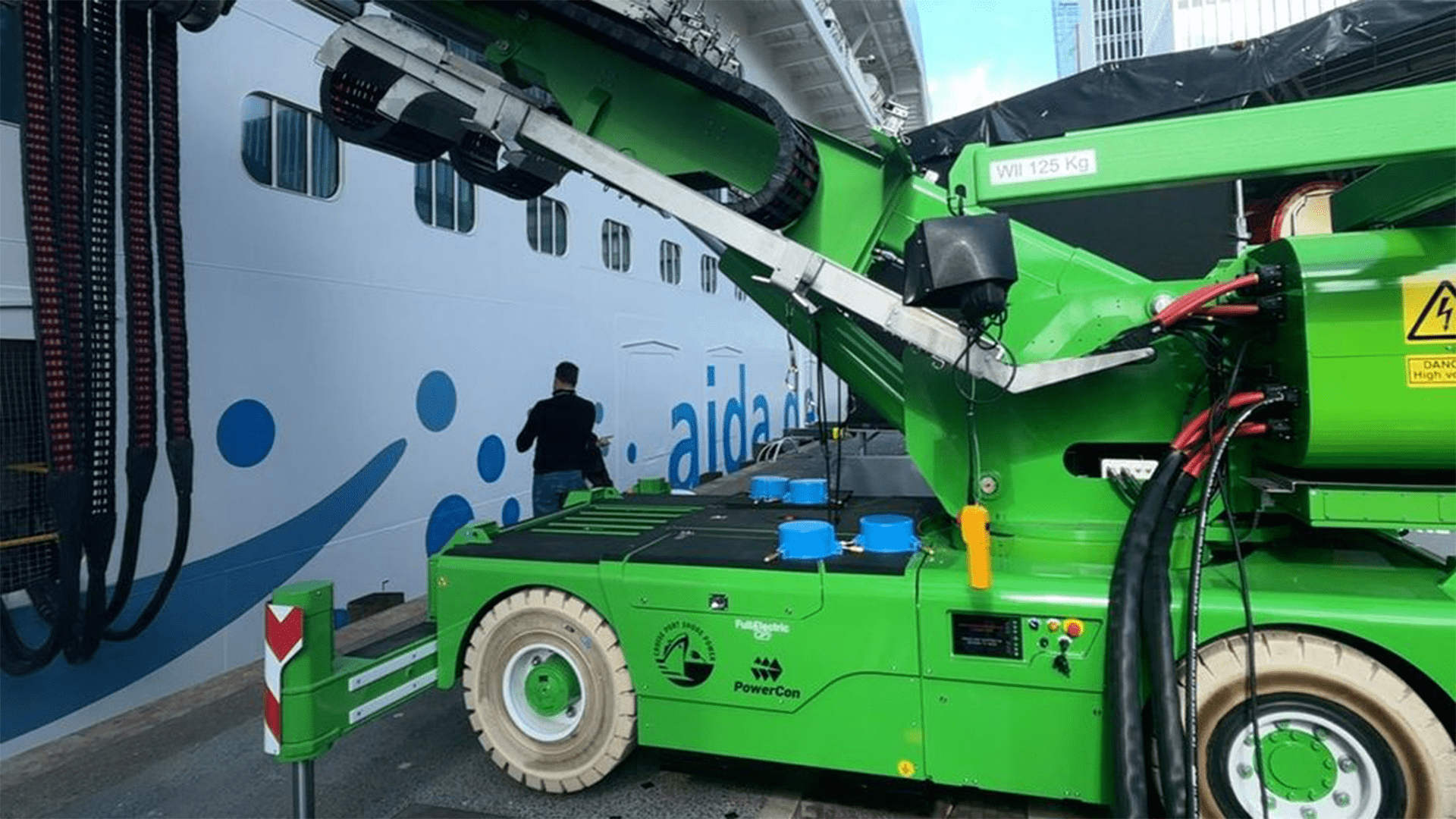
Alongside a grid connection and connection points for vessels, you also need a cable management system to connect these components. There are multiple options for this depending on how flexible you want your system to be, ranging from fixed connection boxes to moveable systems and cable reels.
The more fixed components your cable management system has, the more it will obstruct your quay even when not in use. However there are ways to mitigate these obstructions.
For example, Haskoning recently worked on a shore power project for Cruise Port Rotterdam. As part of this project we integrated the cable management system into the existing quay, including a 235-metre cable duct which provides a flexible connection point while avoiding the obstruction and inconvenience usually associated with cables.
Optimise your shore power installation
Shore power installations can take months to deploy, so it’s crucial to take a phased approach to avoid operational disruption. You will have to close areas of your quay to vessels while work is being carried out, but with proper planning you can arrange works around terminal schedules.
Based on your ship arrival patterns, you can create a schedule of works that accommodates day-to-day operations as much as possible. And with a phased approach along the length of your quay, there’s always berths that are still usable for visiting ships.
In addition, shore power systems don’t run themselves. You need to make sure they’re properly operated by a suitable team with the electrical skills and expertise needed to handle large, specialist components. You also need to ensure systems are properly maintained to avoid outages and safety risks.
Get expert guidance to ensure project success
At Haskoning, we have the specialist expertise to guide you through every stage of a shore power project. Our team has realised more than 1,000 shore power connections worldwide – including the majority of shore power connections in the Netherlands, making us world leaders in this area.
We combine a comprehensive understanding of the nuts and bolts of shore-power solutions, with our specialist knowledge of electrical maritime development to deliver robust solutions built around your goals.
We also deliver expert guidance on how to balance initial investment costs with the benefits of shore power – and we’ll quantify the advantages of emissions reduction in your specific circumstances to give you a full understanding of those benefits.
Get in touch with our expert team today to get your shore power project moving in the right direction.