Find commercial success with a Green Port strategy

DeannaCornell
Sustainability should not be an option. Leading shipping companies, such as Maersk, are actively choosing to work with ports that align with their climate goals. Also major brands such as Nike or world-leading supermarkets are actively reducing carbon in their transport supply chains, directing cargo to greener port options.
For ports, embracing sustainable practices isn’t just about regulatory compliance, it’s about staying competitive, improving efficiency, and ensuring long-term resilience in a rapidly changing industry.
Why does port sustainability matter?
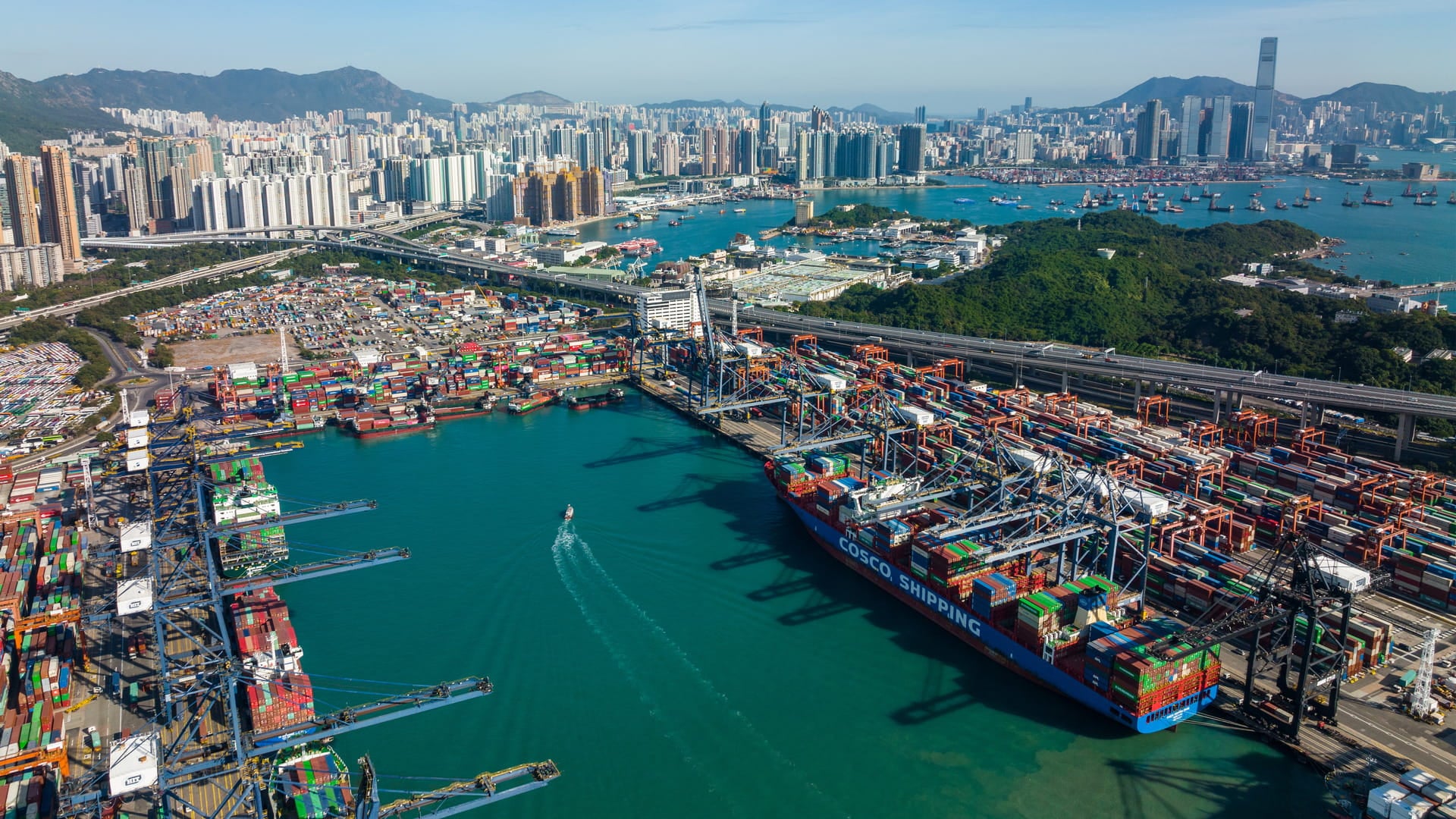
Ports are essential to everyday life. Even if you’ve never lived near one, they affect you. Most goods, such as food, clothes, and electronics, pass through ports. They’re a critical part of global supply chains and play a major role in economic growth, emergency responses, and local communities.
However, port operations can also have a big environmental impact. Ships, trucks, trains, and cargo-handling equipment burn fuel and release pollutants into the air and water. These emissions include greenhouse gases like carbon dioxide and harmful particulates that affect human health and contribute to climate change.
That’s why sustainability matters. Cleaner operations mean better air and water quality, healthier communities, and a lower carbon footprint. Creating more sustainable maritime facilities isn’t out-of-reach, ports have the power to make it reality.
Becoming a Green Port delivers benefits that reach far beyond a more positive social and environmental impact, it also makes commercial sense. Green Ports operate with lower energy use and costs, and attract new revenue streams from clients looking for ports that align with their values.
What does becoming a Green Port mean?
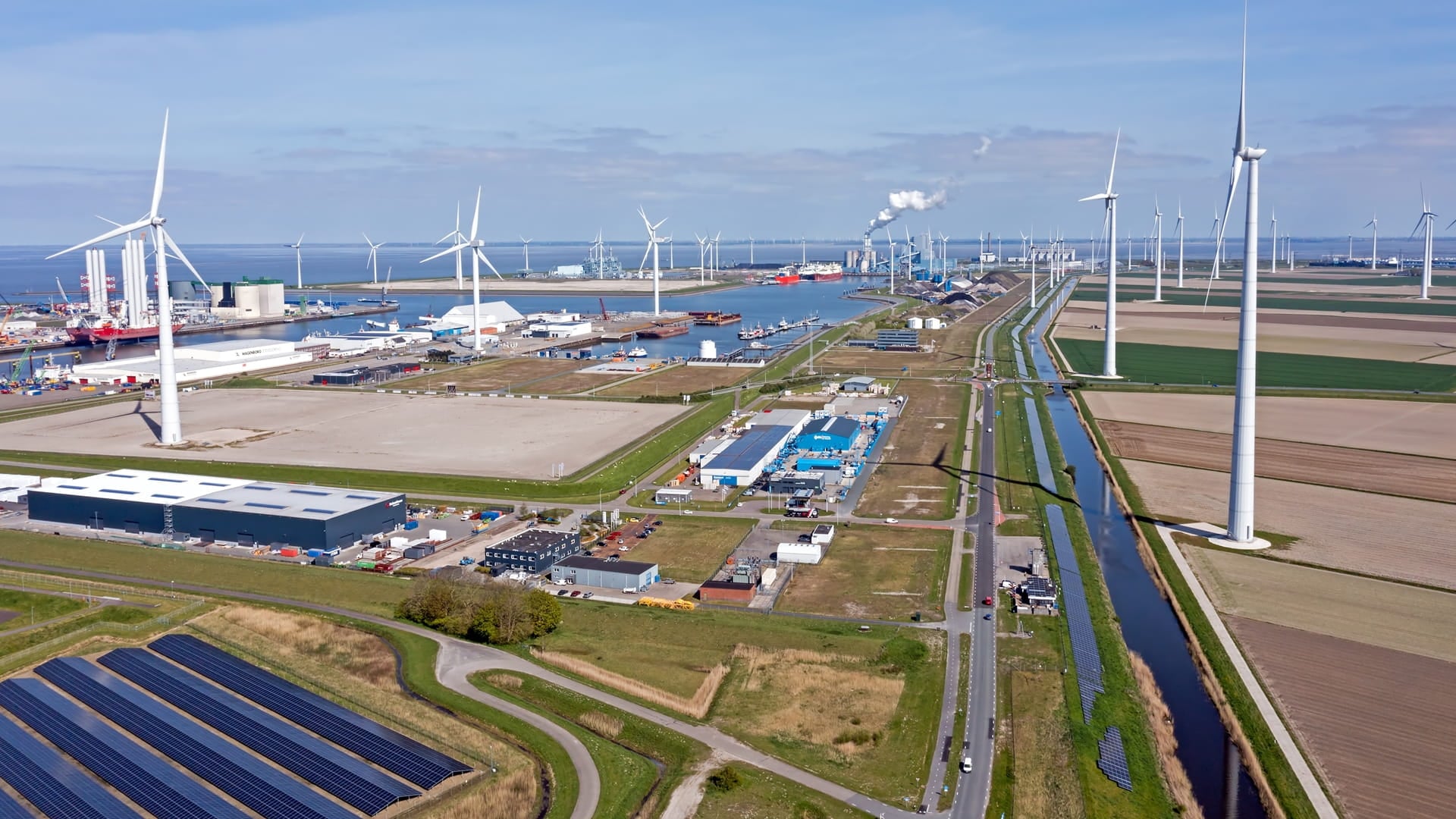
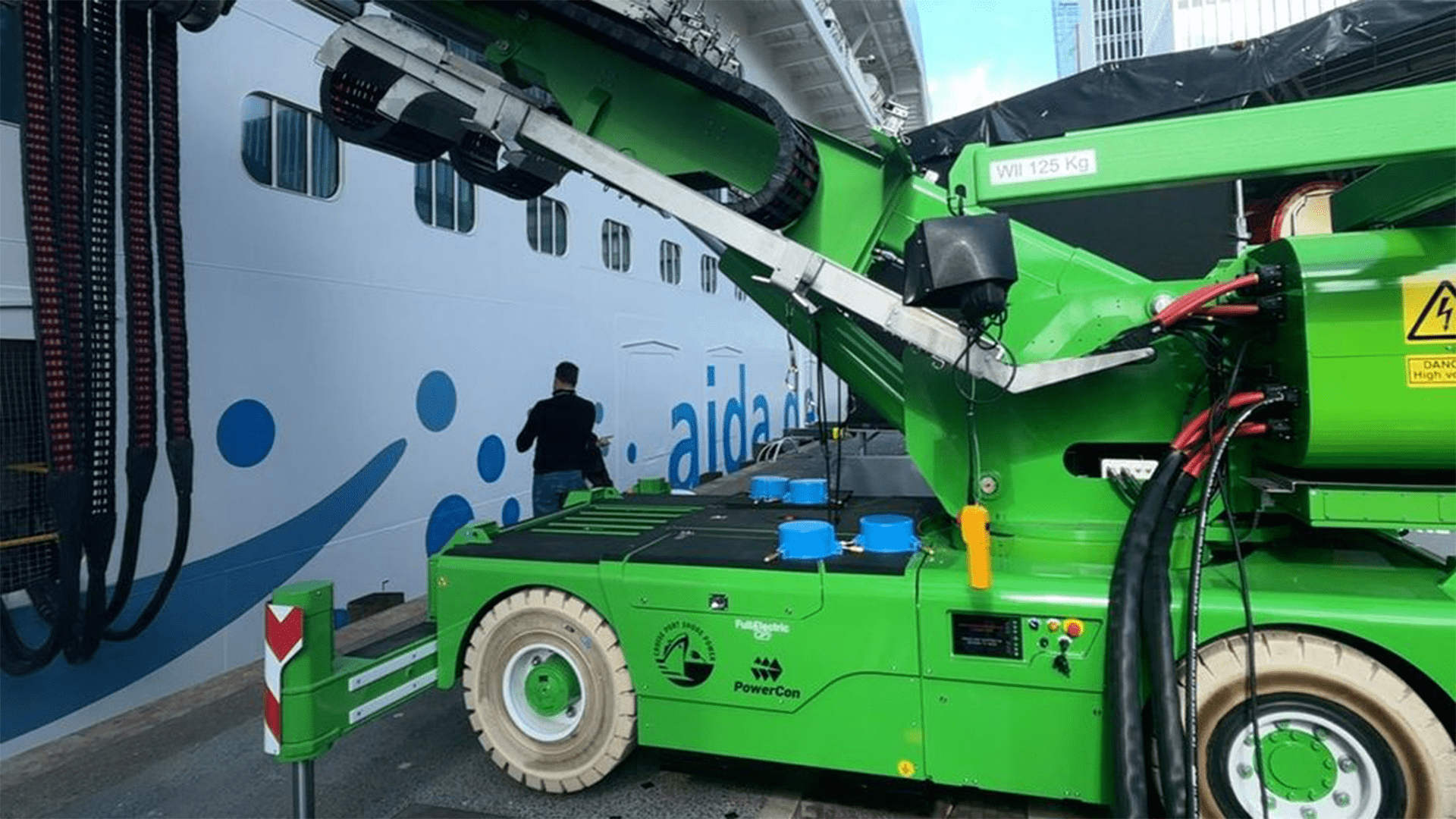
A Green Port is one that actively works to reduce its environmental impact across all areas of operation. This includes investing in electrification; improving energy efficiency in cargo handling, transport, and infrastructure; and generating renewable power.
A Green Port aims to:
- Reduce air and water pollution
- Optimise energy use and adopt renewable energy sources
- Adopt low-emission equipment and transport options
- Manage waste and water responsibly
- Protect natural resources and wildlife
- Support circularity of materials
Moving to a green approach can also significantly reduce your operating costs on power, equipment, maintenance, and more.
For example, replacing traditional lighting with LED systems is an easy way to bring your electricity costs down. Adding renewable energy generation to your infrastructure, such as solar panels on appropriate areas of roof space, gives you a whole new revenue opportunity.
By balancing those solutions that may be costly but most impactful, with those green initiatives that will also save money and resources, or provide a new revenue stream, you can make a strong and balanced business case for your port’s future. Cost savings from green initiatives can also be reinvested into further improvements, creating a cycle of continuous progress.
While some technologies require significant upfront investment, ports can begin with simple, scalable changes that deliver both environmental and operational benefits.
How to get started as a Green Port
- A clear understanding of current operations: Review existing procedures, infrastructure, and sustainability initiatives or policies already in place.
- Defined goals and targets: Establish what your port aims to achieve, whether that’s driven by internal objectives or external policy requirements.
- Identified and prioritised initiatives: Select sustainability initiatives that support your port’s goals, and prioritise them based on environmental impact, feasibility, and cost.
- Finance and funding: Assess the financial requirements of each initiative and explore funding options, including grants, partnerships, and reinvestment from operational savings.
A Green Port Strategy is not a one-off plan: as technologies, regulations, and business needs change, your strategy must evolve too. Regular updates will ensure it stays relevant and continues to support your long-term sustainability goals.
Take the first step with our Green Port Maturity Scan
Every port’s sustainability journey looks different. The key is knowing where you are today and where you want to be tomorrow.
Our Green Port Maturity Scan helps you understand your current sustainability maturity, assess your operational impacts, and identify opportunities for improvement. Together, we can define realistic targets that align with your ambitions and drivers, whether that’s reducing emissions, improving energy efficiency, or enhancing overall environmental performance.
By starting with a clear understanding of your baseline, you can build a roadmap that turns sustainability goals into measurable actions, and establish a robust foundation for a successful Green Port Strategy.
Get in touch with your local team at Haskoning to begin your Green Port journey.
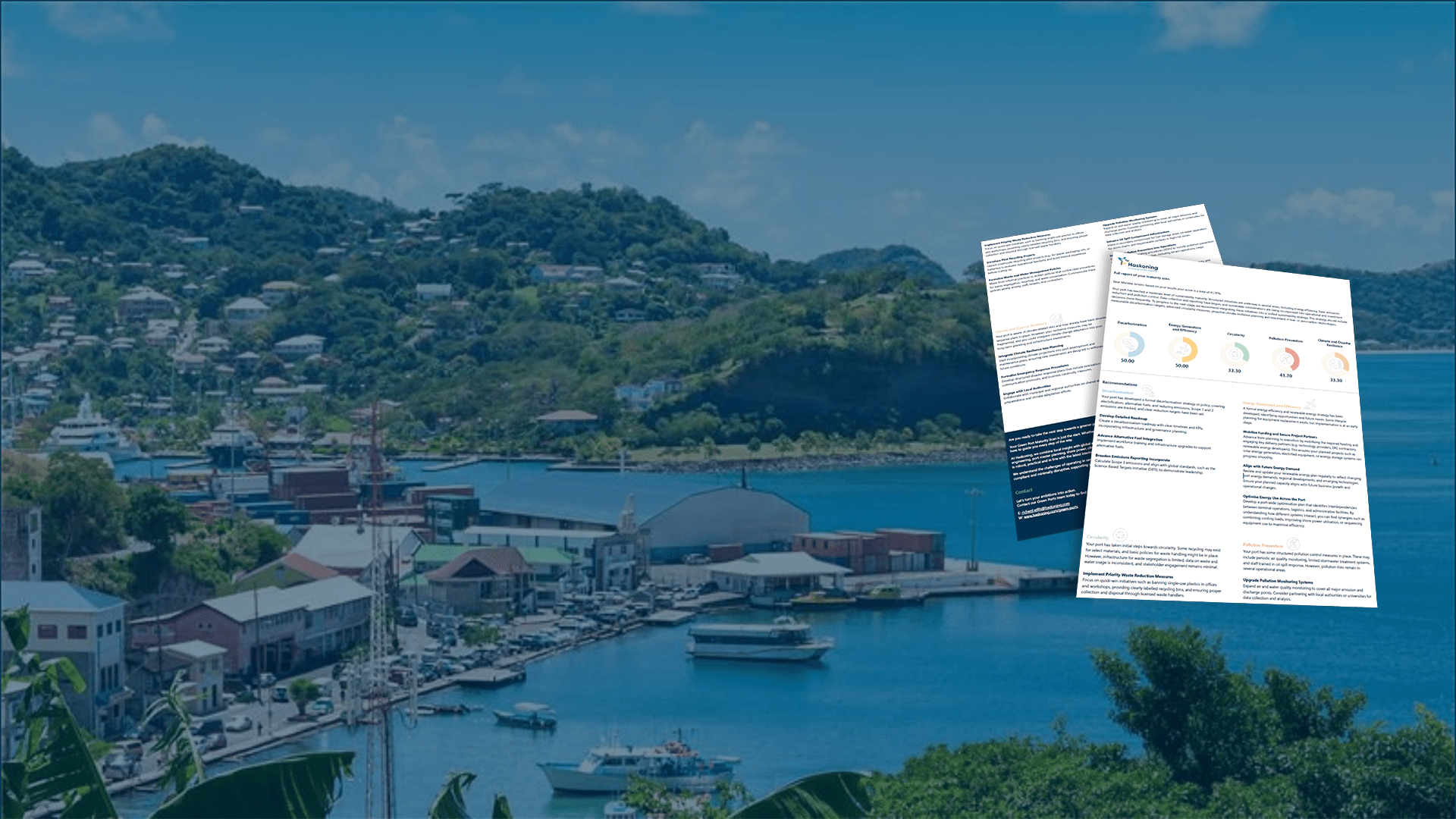
Green Port Maturity Scan
Your journey to a greener, smarter and more resilient port starts here.
Start the scan now — it only takes a few minutes. Once complete, you will receive your green port score, as well as recommendations for sustainability improvements from our team of experts.