Dutch data centres in the era of digitalisation and compliance
*Updated 2026 to reflect current regulations and requirements for data centres in the Netherlands.
Dutch data centres
Amsterdam, being at the forefront of digital connectivity, was the first to gain access to the equivalent of the Internet outside of the US, thus pioneering Internet access in Europe. This pioneering mentality remained when data centres began to enter the Netherlands in the late 1990s and early 2000s. During this period, the growing demand for data storage and processing capabilities attracted international data centre operators and companies to establish their presence in the Netherlands.The strategic location, reliable power grid, robust digital infrastructure, and supportive business environment made the Netherlands attractive for data centre investments. Amsterdam, in particular, emerged as a leading data centre hub during this time, leveraging its connectivity, network infrastructure, and favourable business climate to attract data centre operators.
Over the years, the data centre industry in the Netherlands has continued to grow significantly. The country's central position within Europe, excellent connectivity, and stable business environment have contributed to its status as a key player in the global data centre market. Today, the Netherlands is home to numerous data centres operated by both domestic and international companies, serving as vital infrastructure for digital services and cloud computing.
The main data centre challenges in the Netherlands
Adapting existing data centres
Over the years, data centres have experienced significant growth. What was once considered a massive 2 MW IT load twenty years ago is now overshadowed by campuses capable of handling over 60 MW to 100 MW at a single site. This expansion poses several challenges for the existing data centre sites, with adaptability being the primary concern for both the building and its infrastructure.
Over time, many data centre sites were developed to accommodate IT loads prevalent during construction. However, as IT infrastructure advanced, the space required to handle the same IT load decreased. The question thus arises: are existing brownfield sites facing obsoletion challenges and how to ensure the sites remain prepared for future demands and advancements?
It all starts with capacity, density and logistics assessment. Assessing the current and future IT load requirements forms the foundation of your decision-making process. Understanding the necessary flexibility for your facility is crucial to adapt your building. The assessment includes evaluating powering and cooling needs, white space demands, targeted efficiency, service needs and overall infrastructure capacity.
Once the capacity demands are determined, facility upgrades or space optimisations can be proposed. Whether your goal is to enhance the power and infrastructure to accommodate higher IT loads or repurpose the underutilised space within the data centre, appropriate plans can be developed.
Adapting existing data centres to meet the demands of modern IT loads requires careful planning, investment, and expertise. Working with experienced professionals who can assess the specific needs of your facility, evaluate the feasibility of the project and develop a comprehensive strategy for optimisation and growth is essential. Contact us today to inquire about the options for your facility.
Data centre regulations in the Netherlands
Regulatory compliance is a critical aspect of operating data centres in the Netherlands. At European level, requirements such as the Energy Efficiency Directive (EED) introduce specific energy-efficiency reporting obligations for certain data centres, while corporate sustainability reporting requirements may also apply depending on the organisation. In addition, national and local regulations affect the development and operation of Dutch data centres. For example, Amsterdam has specific policies governing where data centres can be developed and the conditions that apply to new developments and expansions.
Data centres in the Netherlands must also adhere to changing regulations such as the Environmental Act (Omgevingswet) and the Recognised List of Measures (Erkende Maatregelenlijst). Let's explore how these Dutch regulations impact data centres in the Netherlands:
1. Environmental Act (Omgevingswet)
The Environmental Act (Omgevingswet), which entered into force on 1 January 2024, provides the framework for environmental rules affecting data centres in the Netherlands. It brings together regulations covering areas such as spatial planning and environmental impact.
Under the Besluit activiteiten leefomgeving (Bal), data centres are classified as an environmentally relevant activity. Depending on the facility and its activities, requirements can cover areas such as energy use, cooling-water discharge, energy generation and cooling installations using refrigerants such as carbon dioxide, hydrocarbons or ammonia. Data centres also need to consider applicable permitting and local planning requirements.
2. Recognised List of Measures (Erkende Maatregelenlijst)
The Recognised List of Measures (Erkende Maatregelenlijst or EML) supports organisations in meeting the Dutch energy-saving obligation (energiebesparingsplicht). For data centres, the EML identifies applicable energy-saving measures with a payback period of five years or less.
Data centres subject to the energy-saving obligation must implement the applicable measures or demonstrate that equivalent measures achieve the required energy savings. The measures cover areas relevant to data centre operations, including energy management, cooling and IT infrastructure.
3. Energy efficiency reporting for data centres
Data centre operators need to stay informed about evolving European, national and local requirements and determine which obligations apply to their facilities and organisations. This includes requirements relating to energy efficiency, environmental performance, applicable reporting requirements and local development policies.
In conclusion, data centres in the Netherlands face two interconnected challenges: adapting existing facilities to changing IT requirements and navigating an evolving regulatory landscape. Capacity assessments, infrastructure upgrades and a clear understanding of applicable requirements can help operators prepare their facilities for future demands while supporting efficient and compliant operations.
Get in touch
Want to stay updated on regulatory changes and how they affect your organisation? Get in touch with our experts to discuss what these requirements could mean for your data centre.

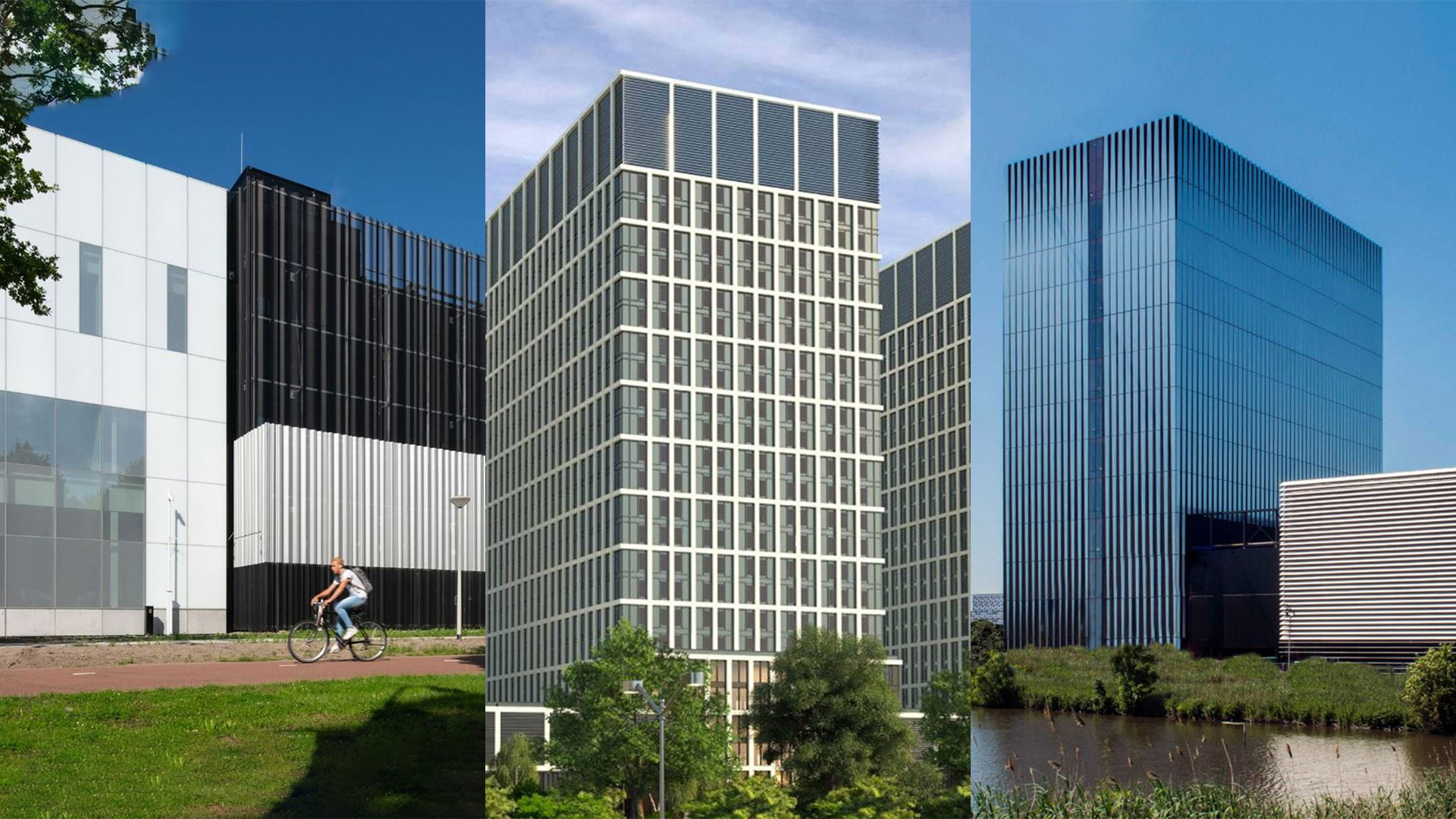
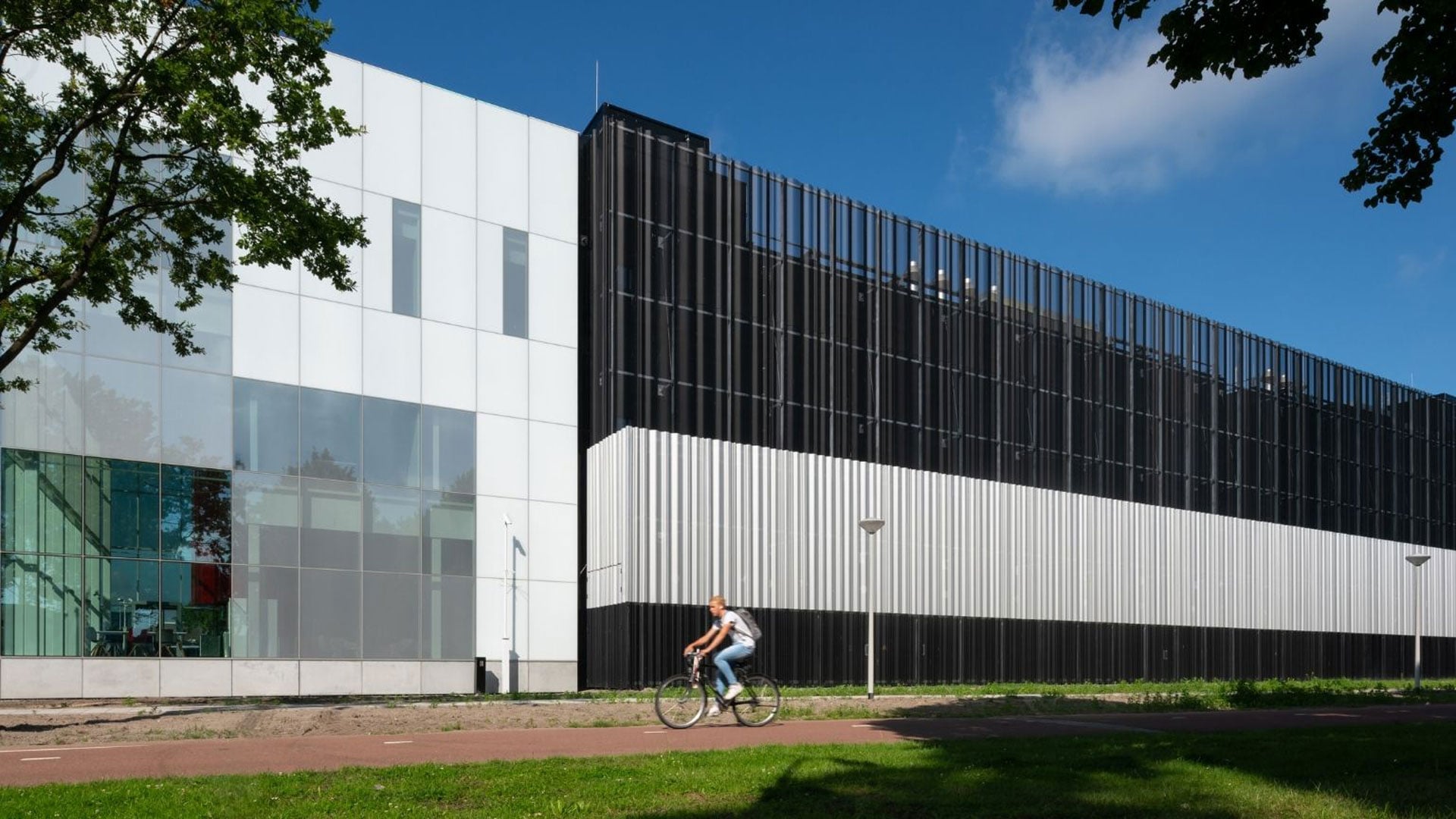
Data centre references in the Netherlands
 Data centres
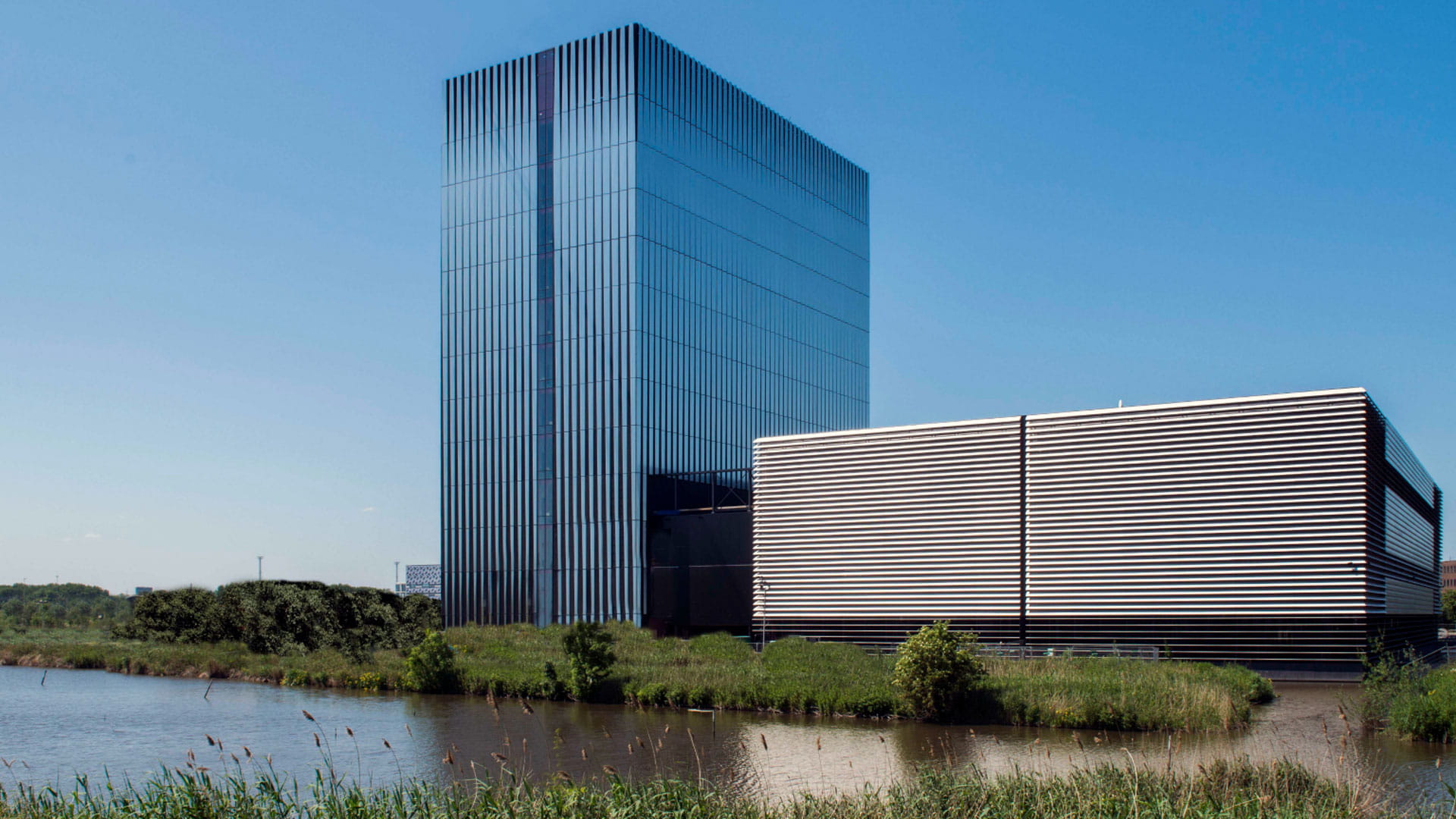
New global landmark 100MW data centre in Amsterdam Westpoort
 Data centres