CCUS: carbon capture, utilisation and storage
Challenges in the path to CCUS and CCS implementation
Projects we are involved in reveal significant hurdles on the path to CCUS solutions. A few examples of challenges:
- Complex and often consortium-led projects require partnership facilitation
- High costs may deter involvement
- Technical complexity
- Perception and societal skepticism
- Complex regulatory frameworks
This is how we help our clients:
We help industry and regulators effectively implement CCUS and CCS projects to reach their decarbonisation goals for a climate neutral future. Our solutions include:
- Accelerating complex procedures and project development
- Realising safe CCUS and CCS chains and permanent storage
- Creating resilient projects through effective coordination with all stakeholders
- Providing technical, spatial and environmental strategic developments
- Developing cost-efficient solutions and capture subsidies available
How can we help you?

CCUS strategies

From inception to final investment decision

Environmental impact assessments

Strategic stakeholder management
Get expert support at every stage of your CCUS or CCS project
We can guide you through all project phases - from initiation and definition & planning until implementation and operation. Our services include strategic roadmaps, risk assessment, feasibility studies, permitting and consenting, safety studies, FEED design, tender support, stakeholder management, asset management and reporting.
Broad engagement in Dutch CCUS initiatives
We are actively engaged in all major Dutch CCUS and CCS initiatives, including Porthos and the Aramis project aimed at developing large-scale CCUS infrastructure. Our involvement ensures project viability through support in environmental research, Environmental Impact Assessments (MER), and permit applications. We advocate for an integrated approach, connecting technical challenges with regulations, costs, and societal acceptance. In our view, successful implementation of CCUS requires alignment with the industry's long-term planning and measures to reduce fossil fuel use through increased efficiency, significant electrification of production processes, and the use of alternative fuels, including green and blue hydrogen.
Get expert support at every stage of your CCUS project
Porthos: CO2 reduction by storage below the North Sea
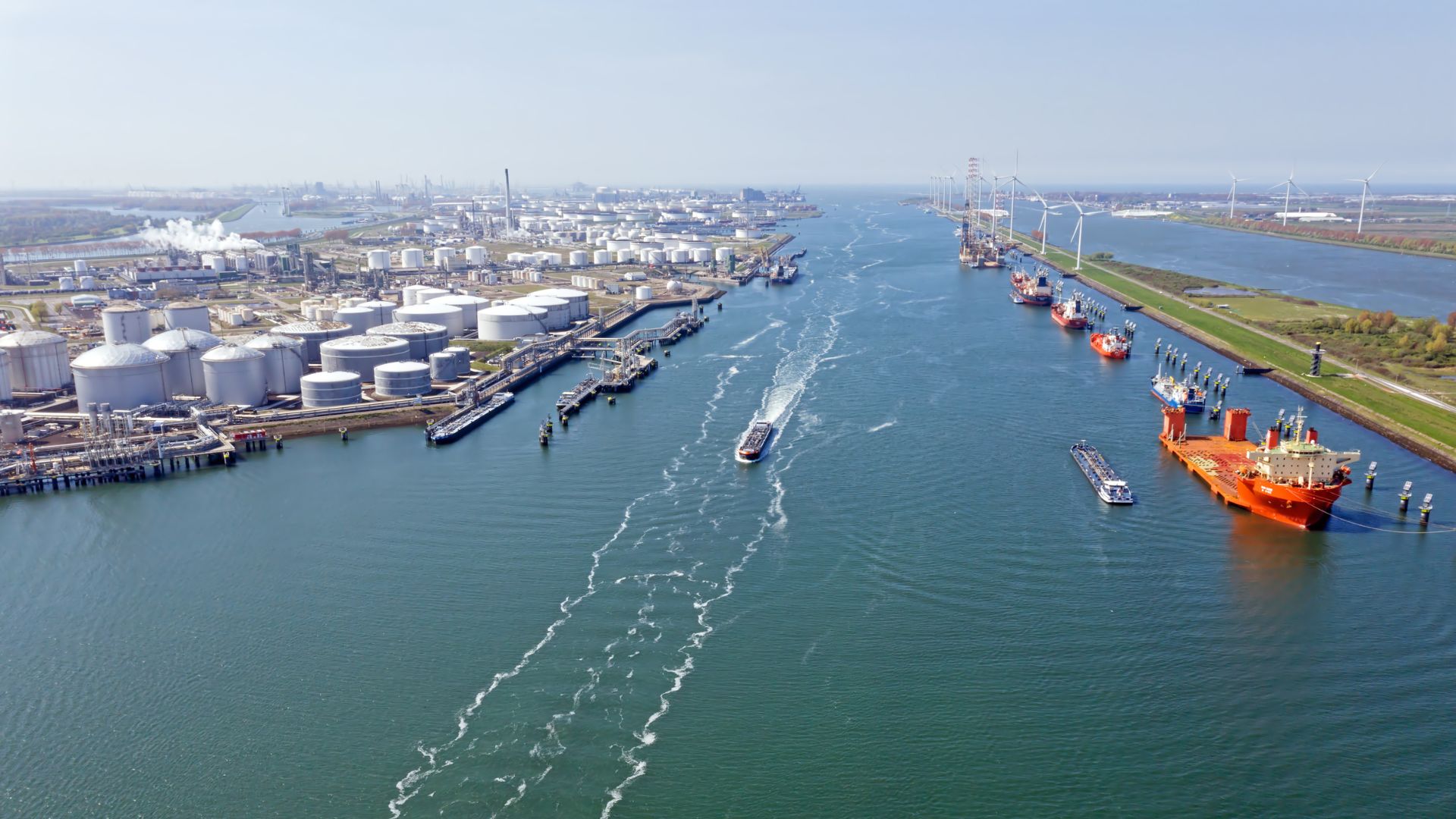
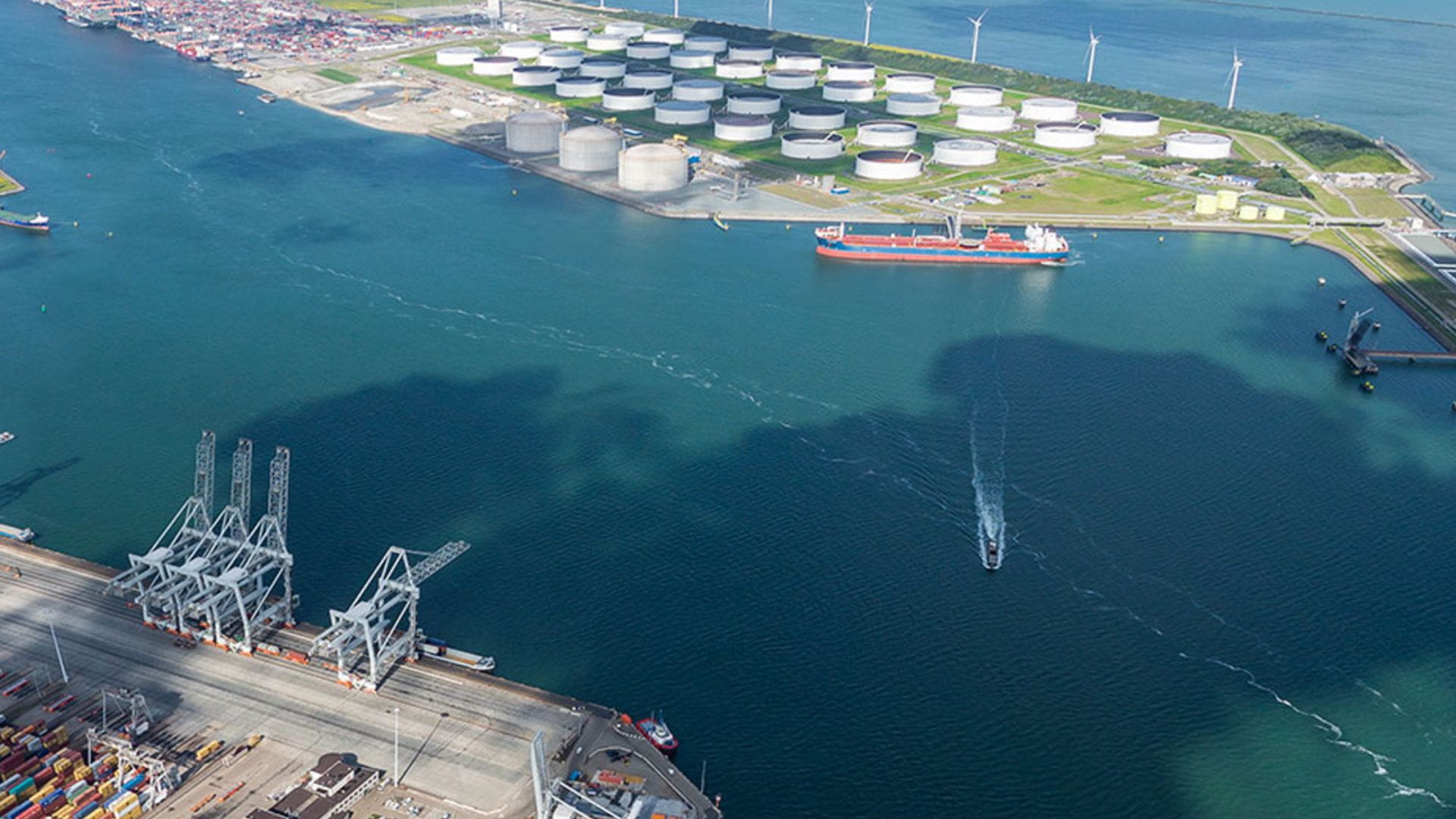
Porthos will capture, transport, and store CO2 from industries in the Rotterdam harbor in empty gas fields, over three kilometers under the North Sea. Approximately 2.5 Mton per year for fifteen years, totaling around 37 Mton CO2. The project's total cost is €1.3 billion, with the final investment decision made in October 2023. Infrastructure construction begins in 2024, and the system is expected to be operational by 2026. Haskoning, as the lead partner, handled permit applications and compiled the Environmental Impact Report, among other responsibilities.

Aramis: a leading initiative in carbon capture and storage
The North Sea’s depleted gas fields offer an innovative opportunity for long-term carbon storage. We have helped advance the Aramis initiative by assessing the environmental impact by supporting the clients with environmental studies, EIA, permit applications, procedures with authorities and stakeholder management. This allowed our clients to prepare for permit applications and licenses.