Hydraulic structures along coasts, rivers, and canals
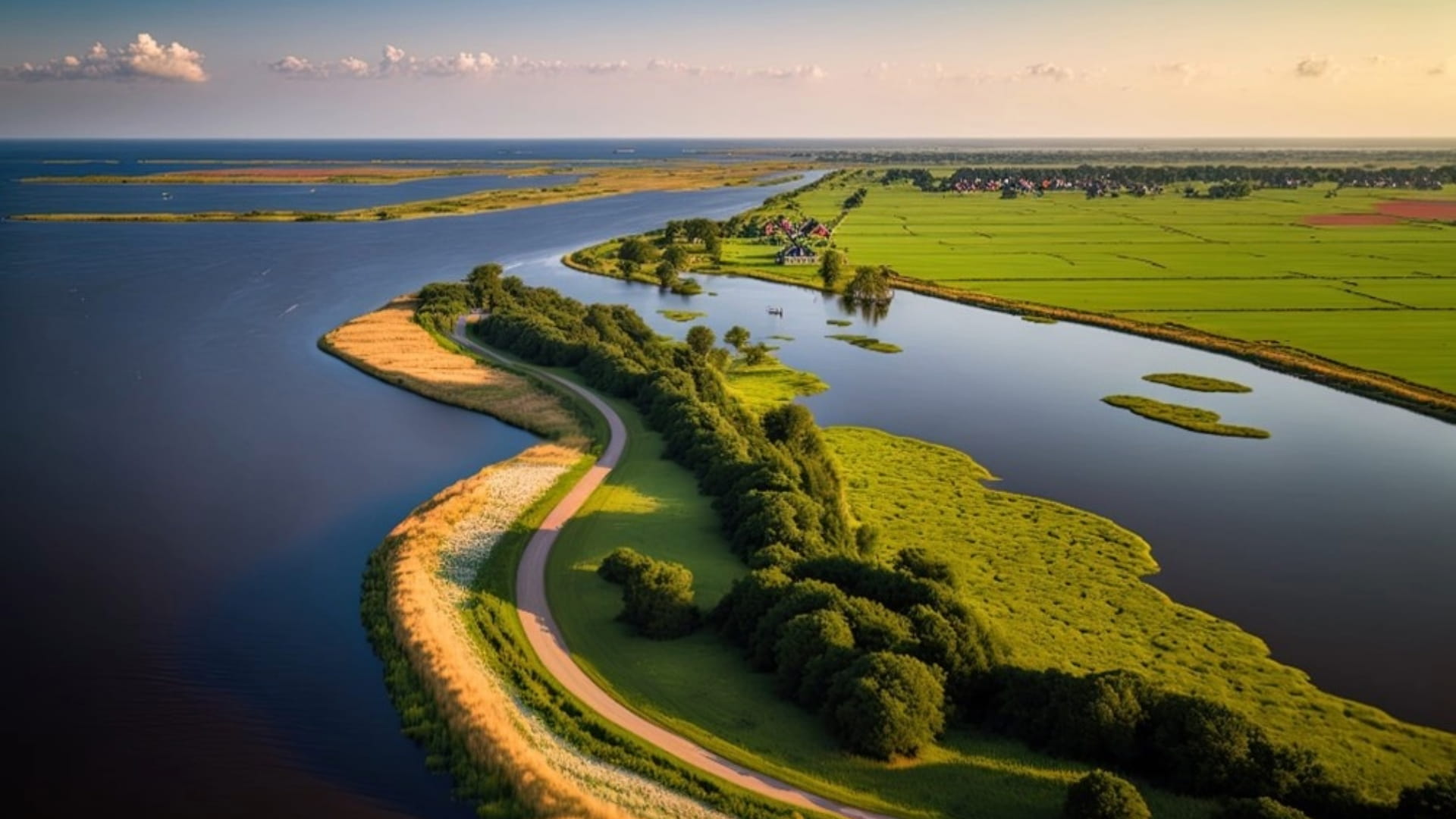
At Haskoning, we understand the complex challenge of protecting people, assets, and infrastructure from the ever-changing climate.
Climate change poses an increasing threat, and adaptation is necessary for survival. The solutions we build today must remain effective for tomorrow. To safeguard people, their livelihoods, and the environment, we design and implement future-proof climate resilient solutions.
Creating hydraulic structures, such as dikes, dams and flood barriers, is a vital step in managing the flow of water, changing how we live alongside it, mitigating floods, and providing safety and stability. Sustainable solutions can be obtained by applying smart combinations of hard and soft (Nature-based) protections.
Haskoning has a long history of implementing hydraulic structures around the world. From dikes, river training works, and dams to the restoration of natural floodplains, hydraulic control structures, and storm surge barriers, our proven approach minimises flood risk while recognising natural processes.
We design and implement solutions that meet bespoke technical requirements, integrate with natural environments, and adhere to strict budgetary and legislative demands.
And because environments are always changing, we build adaptability and resilience into every solution – making sure what’s important stays protected for decades to come.
Coastal structures
- Sea dikes and floodwalls protect hinterland from coastal flooding.
- Dunes and wetlands provide natural protection from storm surges.
- Dams separate inner lakes from the sea with navigation locks that allow for safe passage.
- Flood barriers temporarily close off river outlets and estuaries stopping storm surges from flooding the land.
- Groynes and detached breakwaters control coastal erosion.
River structures
- Dikes along rivers keep the hinterland dry during high river stages.
- Weirs on rivers help to control water levels and are often combined with navigation locks to allow ships to pass through.
- River training works, like groynes and guiding walls, keep the river flow within its bed, mitigating risk of erosion.
- Removing obstacles from the floodplains and creating more space for water flow reduces water levels during high river stages. We call this Room for the River.
Canal structures
- Ship locks are generally used to maintain a fixed water level in canals, separating them from rivers as part of a flood protection system.
Safeguard society and the environment with

140 years of engineering experience
As a Dutch company, we have vast experience living alongside water. Over 140-years we’ve become experts in optimising the use of water resources and implementing hydraulic structures in the UK, South Africa, South-East Asia and Australasia. Our international approach allows us to draw expertise from a range of diverse water environments.

An end-to-end service

State-of-the-art technical expertise

Expert stakeholder engagement

Want to know moreor got a question?
Contact our Climate Resilience experts!