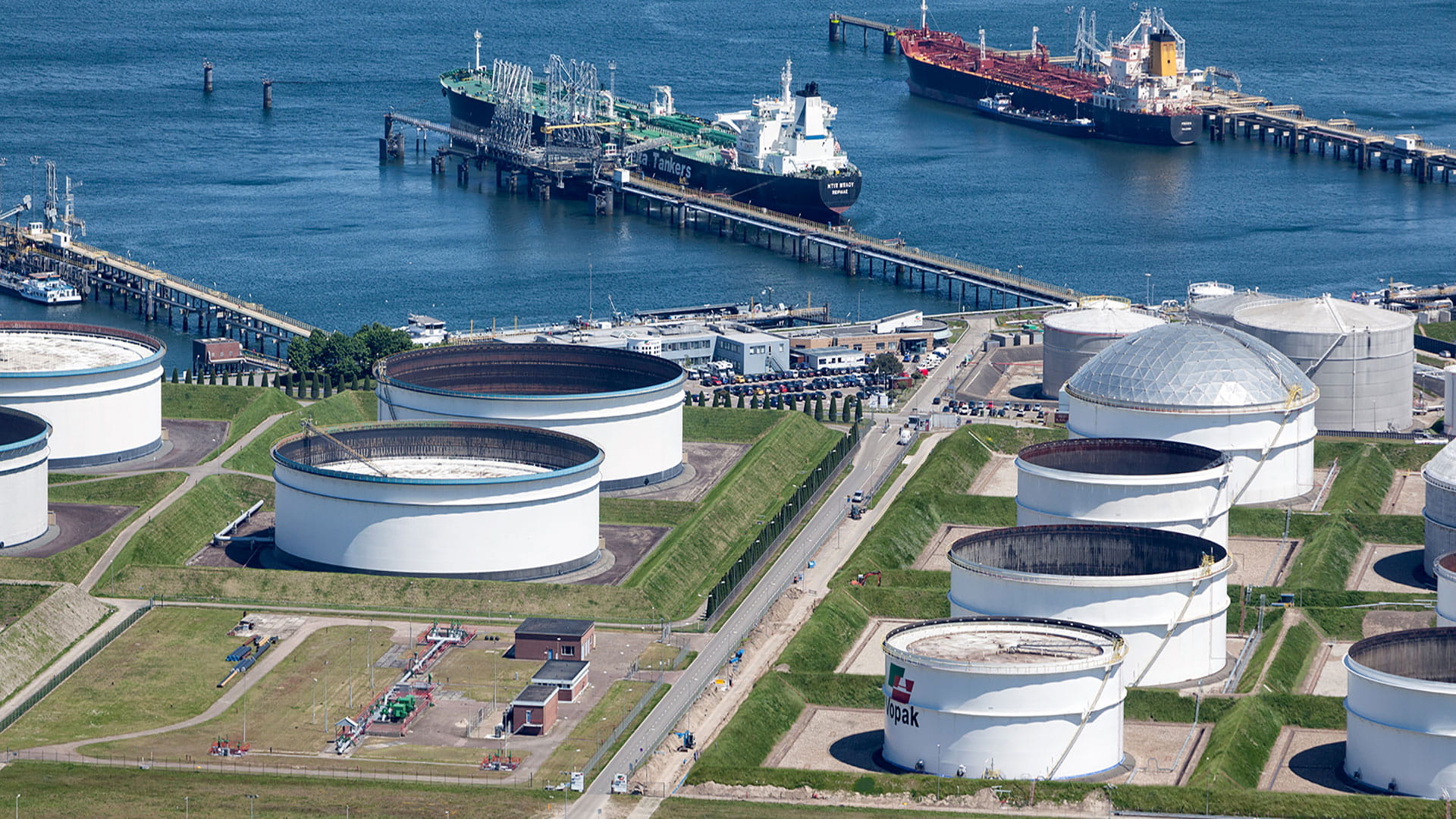
Uncovering opportunities to create a Moroccan hydrogen hub
Project facts
- Client
- The World Bank
- Challenge
- Formulate a plan to turn Morocco’s hydrogen hub ambitions into a reality.
- Date
- 2023–2024
- Solution
- A clear roadmap for Moroccan ports to contribute to the renewable energy transition.
- Location
- Morocco
The challenge: Helping Morocco capitalise on the renewable energy market
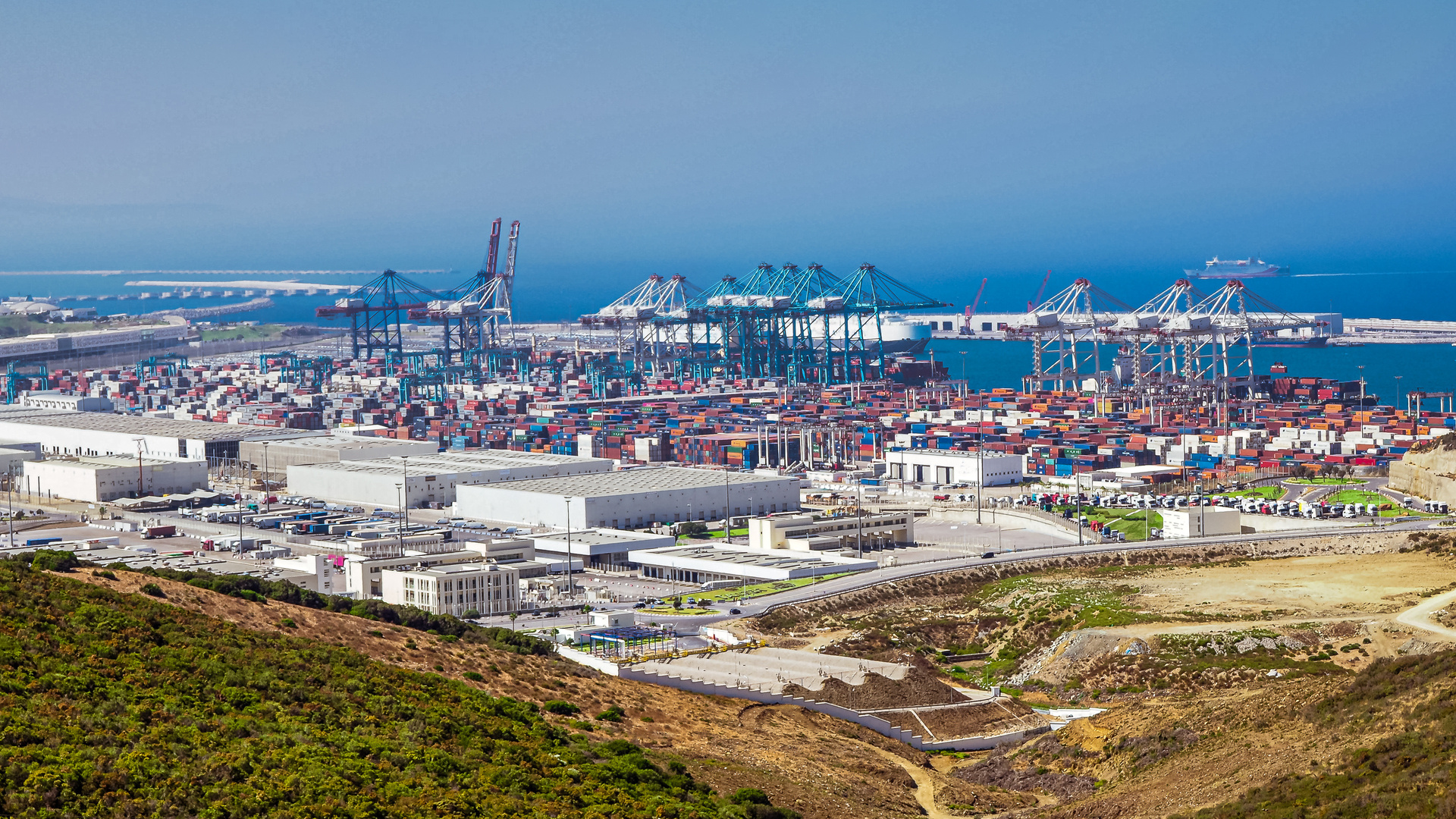
Morocco is strategically located to play a significant role in the renewable energy market – sitting at a key point on the trade route between Western Europe and the Middle East and Asia.
Supported by the World Bank, the Moroccan Ministry of Equipment and Water wanted to find a way to develop new renewable energy value chains. Its goal is to supply low carbon fuels for shipping and export – reducing emissions and boosting Morocco’s economic development.
Haskoning was commissioned to develop a framework for identifying potential projects across 4 Moroccan ports that would support the development of zero-carbon bunker fuel projects. The commission was then extended to cover a renewable energy production site.
The solution: Assessments into port feasibility and a clear roadmap for development
We provided an impartial expert assessment of the technical and economical feasibility, challenges, and opportunities selected sites could contribute to Morocco’s production, storage, supply, and export of zero-carbon bunker fuels. We defined the most optimum supply chain scenario for the Moroccan country, from generation to export and use. In addition, we created stakeholder-supported roadmaps that outline actionable steps for implementing the required infrastructure amongst others in the selected ports. For some ports, we went a step further and also considered incorporation.
A port authority asked us to help it define concrete activities that will enable the port to achieve its hydrogen hub ambitions. We carried out the following assessments:
- Assessment of the opportunity to become a hydrogen bunker hub, export hydrogen, and use hydrogen in port and industrial activities
- Economic analysis of each opportunity
- Safety studies for hydrogen, ammonia, and methanol
- Port masterplanning and spatial implementation for required hydrogen related activities
- Definition of a roadmap based on the maturity and risks of critical components
- Creation of frameworks for pilot projects that will encourage scalable growth
To support the full-scale development, we framed a bunkering pilot project, that with limited capital expenditure can be actioned directly in the path to full scale implementation.
Morocco has a huge opportunity to contribute to the energy transition, and it was a privilege to help the country’s ports capitalise on it.
The result: An exciting opportunity to create a leading hydrogen hub
Overall, our assessments established that Morocco's ambition to become a hydrogen hub is feasible. We helped outline an unambiguous long-term ambition for the ports and outlined steps that can be taken at every level to help it get there.
We also presented recommendations to adapt the port’s masterplanning to reflect its hydrogen ambitions and identified potential pilot projects.
The country now has the tools it needs to turn its vision into a reality – and cement its role as a key part of the renewable energy value chain.
Webinar: Handling ammonia in ports – from masterplan to berth design
We held a webinar on how to safely integrate hydrogen carriers such as ammonia into your port. Including an interview with Alan Dirks and Cees Boon of the Port of Rotterdam on stakeholder management and a guest presentation from Freddy Koetse of Air Products on the supply chain they are building.
Download our on-demand webinar to hear expert insights on all these topics.
Read more about maritime challenges and our solutions
 Maritime