Specialists turn ‘mission impossible’ into low-noise solution for CMI data centre
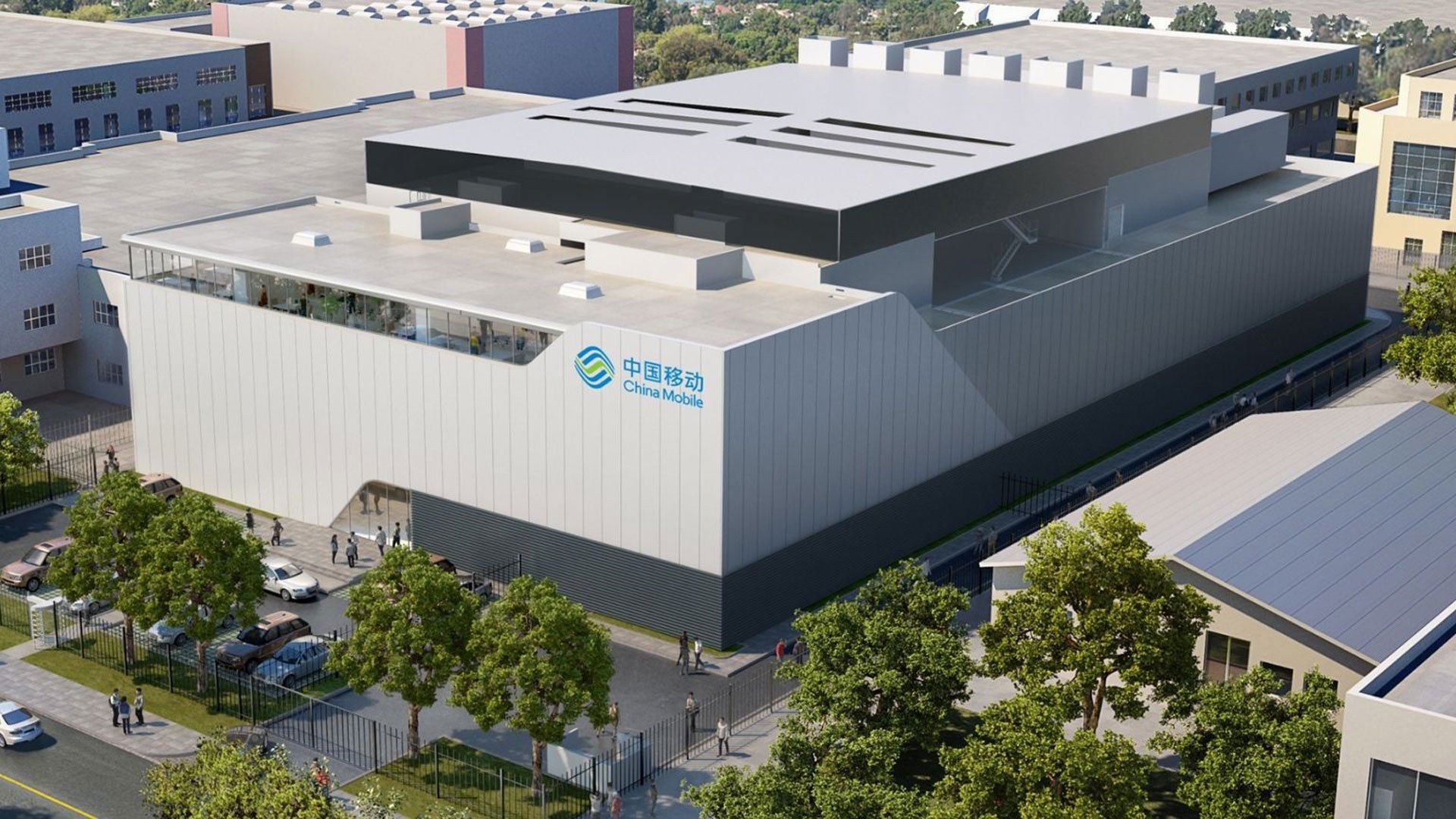
Project facts
- Location
- Frankfurt, Germany
- Capacity
- 6.8MW
- Challenge
- Design a new data centre that met strict 24/7 noise regulations without compromising cooling performance.
- Solution
- Haskoning’s in-house specialists used computational fluid dynamics (CFD) modelling to optimise airflow, equipment placement, and acoustic screening.
Acoustic screens placed around the building provided a solution, but also a new challenge. The screens interfered with efficiency of the cooling systems by disrupting air flow. To solve the problem, we turned to our computational fluid dynamics specialists.

Our big advantage is that we have all the expertise in house, which enabled us to solve this very complex challenge which had looked impossible.
Integrated team of specialists develop fine-tuned solution
“Fluid dynamic investigations of airflow, combined with wind direction and noise calculations, allowed us to understand what was happening across the entire site and how each element influenced the overall noise levels,” explained Jorge Moura, Resident Director Germany at Haskoning. “It was an incredibly detailed analysis, assessing the impact of noise from every piece of equipment at nine separate locations.”
These calculations enabled the precise positioning of equipment and acoustic screens to meet both regulatory noise limits and cooling requirements. Traditional building permit methods were not sensitive enough to validate the solution, so a specialist company was engaged to secure regulatory approval.
From challenge to opportunity: optimising space and cost
“Our major advantage is having all the expertise in-house, which allowed us to resolve a challenge that initially seemed impossible,” Jorge added. “It meant bringing together diverse specialists to integrate every element and work towards the same goal.”
Beyond solving the noise and cooling issues, the design team optimised use of space. This increased IT capacity and reduced construction costs by around 10%, adding further value to the project.