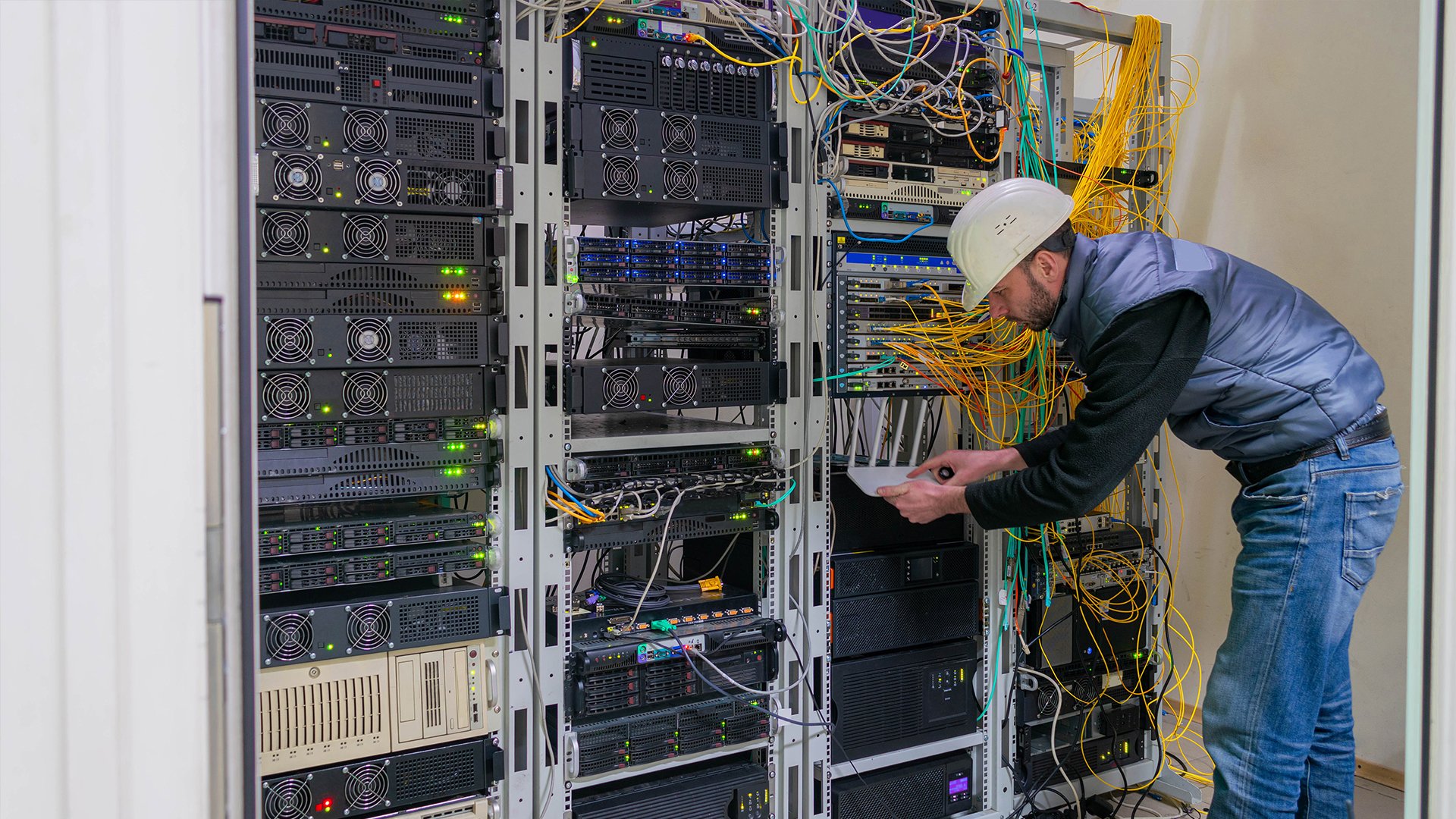
New Vietnam data centre meets demands of AI technologies
Project facts
- Client
- Viettel
- Location
- Hanoi, Vietnam
- Date
- 2024 – 2026
- Challenge
- Concept design to construction design of a Tier 3 data centre, adding AI upgrade
- Solution
- Respond flexibly to enable the adjustments needed to bring Viettel’s vision to life
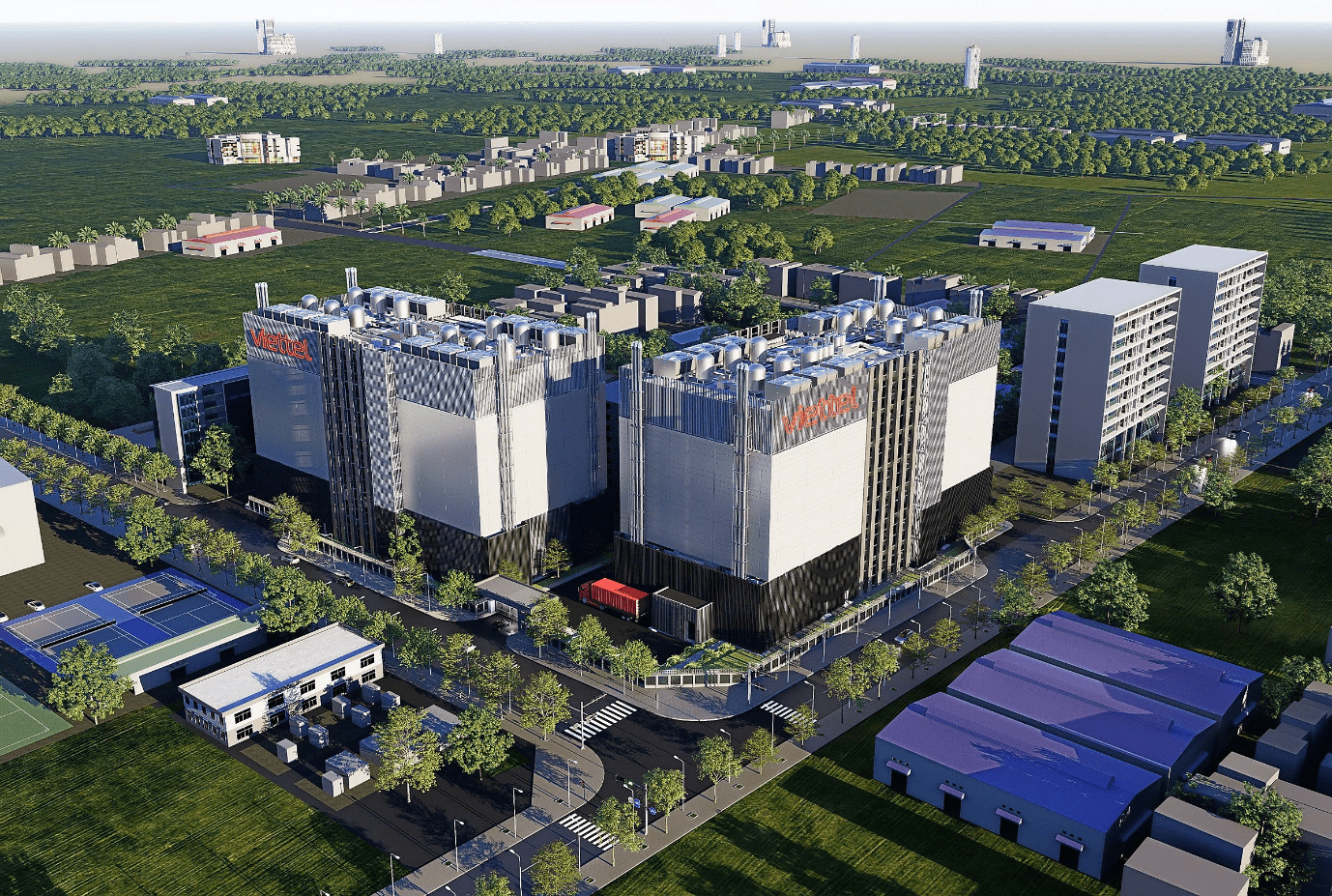
A new data centre on the outskirts of Hanoi is among the first in Vietnam equipped to handle next-generation high-density Artificial Intelligence (AI) racks while meeting global standards. Adaptations were made in the design phase to respond to the demands that AI technologies are placing on digital infrastructure in Vietnam.
Digital transformation is driving significant growth in data centre markets across Southeast Asia. At the same time AI is transforming their design and operation, requiring more efficient data centre cooling solutions and high computing density. Developments are moving quickly and there is a need for flexibility and future thinking in projects that are either planned or in prospect.
Viettel is Vietnam’s largest telecommunications group and has been expanding the country’s digital infrastructure to support AI deployment and demand for cloud services. It engaged Haskoning & VNCC to create the concept design for the An Khanh Data Centre and subsequent design and construction support services through to completion.
Future thinking and flexibility critical for Tier 3 data centre design
The Tier 3 data centre is set to be the largest in northern Vietnam, delivering 22MW capacity in phase one, with plans to expand to 60MW by 2030. During the design process, plans were upgraded to accommodate two floors of AI racks. This involved realigning power solutions and cooling methods.

Data centre requirements are changing rapidly as AI development and adoption accelerate. This is prompting some clients to consider higher power-density racks than originally planned, reinforcing the forward-thinking approach we incorporate into our designs. More than ever, data centres must be designed to adapt to evolving demands
Close communication and client engagement key to efficient delivery
Close communication with our client was key to building up the trust and understanding that enabled the optimal design to be developed. It meant we could effectively bring together our global and local expertise with Viettel’s experience and fine tune the design for speed, resilience and cost-effectiveness. We coordinated the entire project using Building Information Modelling (BIM) along with a robust BIM execution plan which ensured effective collaboration and understanding, throughout the project development.
Cooling, power and water supply are the critical systems within data centres that ensure the facility’s operation and are the backbone for efficiency, reliability and uptime. Input for specialist calculations was provided by our regional data centre experts in Indonesia, making efficient use of our global network. As is common in data centre projects, scheduling was tight and required groundworks to be started before the design was finalised to meet the deadlines. Construction started mid 2025 and the data centre is expected to be operational late 2026.

Learn more about our data centre expertise

 Data centres
Continuously evolving data centres through innovation and adaptation
 Data centres