Maritime connectivity and port development plan for the Philippines
Project facts
- Client
- The World Bank Group and Department of Transportation (DOTr) - Philippines
- Location
- Various port locations across the Philippines
- Date
- 2024–2026
- Challenge
- High logistics costs and severe climate risks are affecting nationwide maritime connectivity.
- Solution
- Holistic national plan integrating resilience, digitalisation, green port strategies, and logistics reform.
The challenge
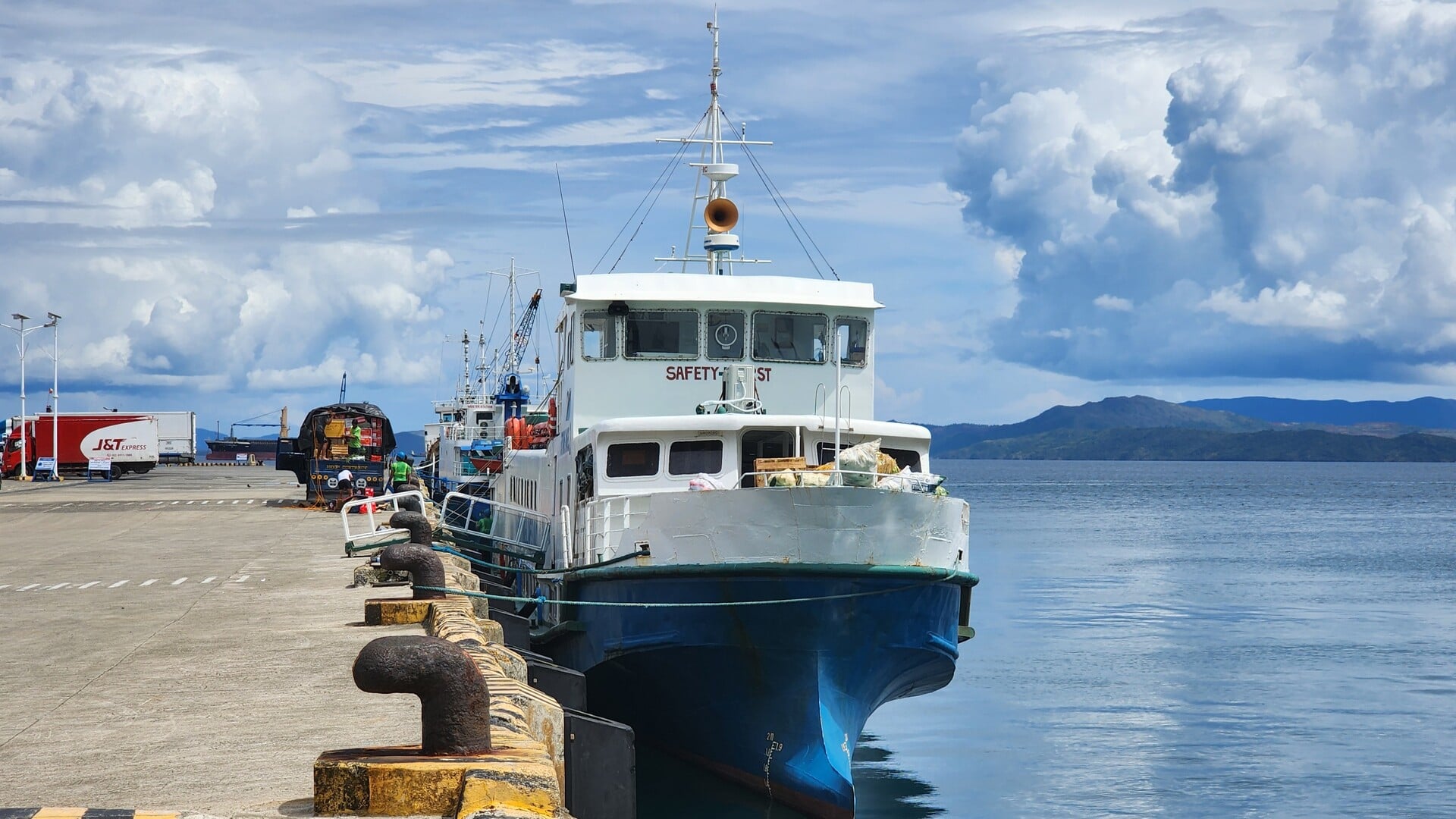
As an archipelago of over 7,600 islands, the Philippines depends on maritime transport for food security, mobility, and economic activity. Yet the sector faces high logistics costs, aging infrastructure including an outdated domestic vessel fleet more than 20 years old, port congestion, low digital adoption, and some of the world’s most complex climate and disaster risks. Frequent typhoons, earthquakes, storm surges, intense heat, and rising seas regularly disrupt shipping routes, isolate communities, and hamper trade.
With more than 700 national and municipal ports of varying conditions and exposure, the government needed a nationwide, science-based strategy to modernise the maritime system and build long-term resilience for people and the economy.
The solution
Haskoning led the preparation of the Sustainable and Resilience Maritime Connectivity and Port Development Plan for the entire Philippines – one of the first holistic assessments of its kind in the country. The team delivered an integrated approach that included climate and disaster vulnerability assessment for 15 representative ports, supported by survey insights from nearly 100 ports nationwide. We conducted connectivity mapping based on how goods move across the archipelago, as well as benchmarking of operational performance to identify gaps in efficiency, capacity and safety. We also delivered a comprehensive roadmap for infrastructure upgrades, policy reforms, green port adoption, vessel fleet renewal and digital transformation.
Combining global maritime expertise with deep local knowledge, the study examined nearly 100 ports across 18 regions through surveys, datasets, and field insights, which provide the country’s first nationwide, holistic assessment of maritime risks and opportunities.
Extensive engagement with the relevant government agencies - including the Department of Transportation (DOTr), the Philippine Ports Authority (PPA), the Maritime Industry Authority (MARINA), and the Department of Environment and Natural Resources (DENR) and other agencies - helped ensure that recommendations are actionable, inclusive, and aligned with national development goals.
Building a competitive maritime hub for the Philippines
A resilient and efficient maritime system is essential for connecting communities, protecting livelihoods, and positioning the Philippines as a competitive regional hub. This plan gives the government a strong foundation to act decisively and sustainably.

Climate-ready port planning

The result
The development plan provides the Philippine Government with a clear pathway to transform its ports into efficient, resilient, and low-carbon logistics hubs. By integrating climate adaptation, digitalisation, operational efficiency, and green port principles, the study enables better decision-making and future investment planning.
For millions of Filipinos, this means safer travel, more reliable inter-island connectivity, reduced transport costs, continuous access to goods, and fewer disruptions during disasters. Moreover, stronger resilience measures mean ports can return to operation within days – not weeks – after major events, ensuring communities remain connected when they need it most.
Government agencies expressed a strong interest to implementing the 14 key recommendations provided by Haskoning. They recognise the plan as a foundation for long-term competitiveness in Southeast Asia. Beyond technical outputs, the project strengthens livelihoods, supports economic inclusion, and enhances national resilience to help secure a safer and more connected future for Filipino communities.
How we Enhance Society Together
SDG 9
Industry, Innovation and Infrastructure: Supports modern, efficient, and climate-resilient maritime infrastructure across the archipelago.
SDG 11
Sustainable Cities and Communities: Improves safety, accessibility, and connectivity for island communities nationwide.
SDG 13
Climate Action: Integrates climate adaptation, disaster resilience, and low-carbon pathways into national port planning.
SDG 14
Life Below Water: Encourages sustainable maritime operations and reduced environmental impact through green port initiatives.