Full heat recovery helps Telia’s data centre achieve its sustainability targets
Project facts
- Location
- Helsinki, Finland
- Solution
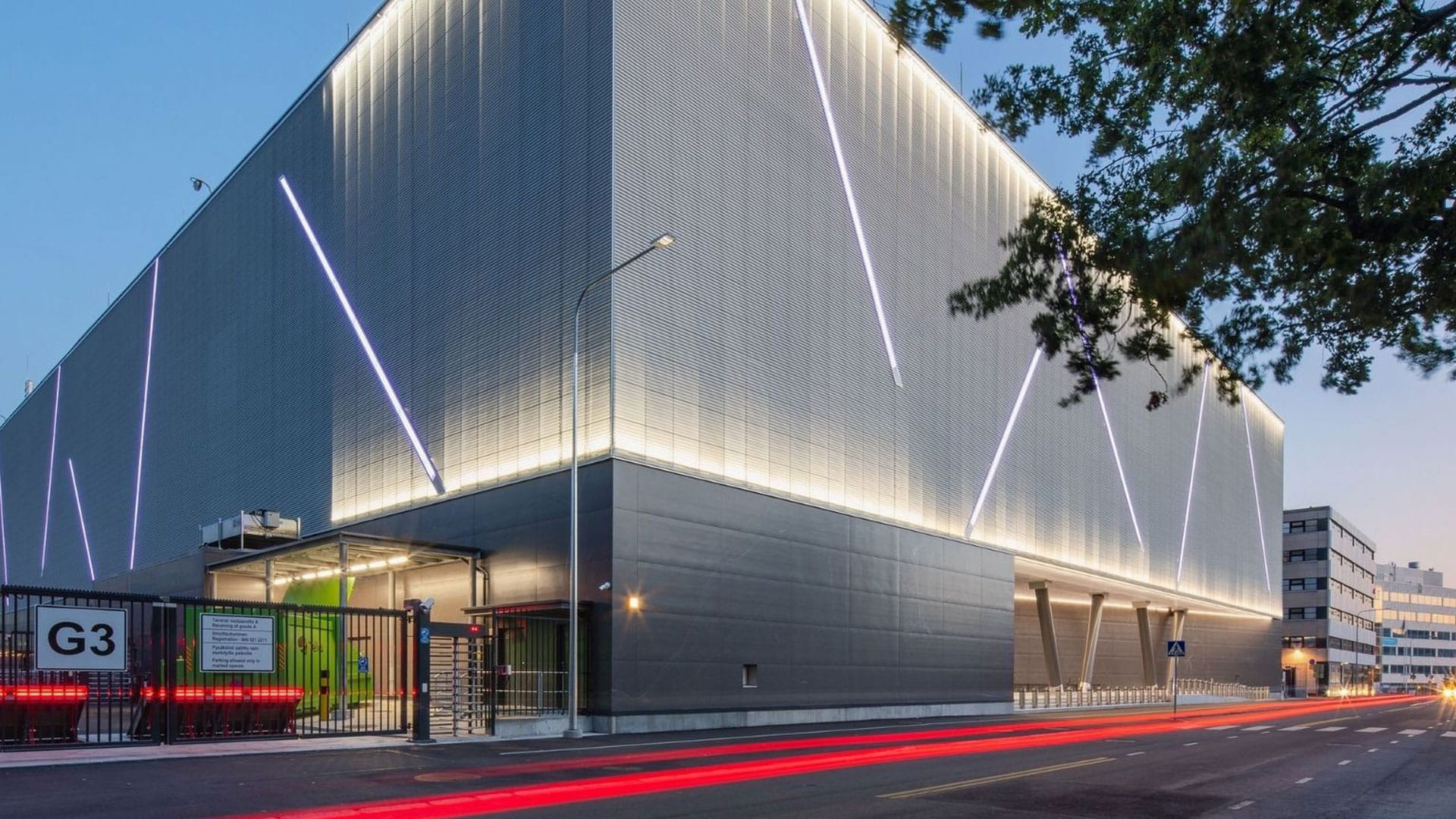
- Haskoning designed and oversaw Telia’s flagship data centre, integrating full heat recovery into Helsinki’s district heating system. The approach combined technical, financial, and contractual solutions, creating value for all stakeholders and enabling residual heat to power local homes.
- Challenge
- Telia aimed to build Finland’s most sustainable and energy-efficient data centre while meeting the security demands of a shared facility and aligning with its shift towards ICT services.
Telia is a multinational telecommunications company and mobile network operator across the Nordic and Baltic regions. Alongside its own significant IT infrastructure needs, it identified growing customer demand as an opportunity to expand into a new area of business. Building the largest open data centre in Finland became a key step in its strategic shift towards becoming a full ICT service provider.
Haskoning’s Data Centres team was involved throughout the project, translating Telia’s strategic vision into a viable business case, creating both conceptual and detailed designs, and overseeing construction. The design needed to balance the security demands of a shared facility with the flexibility required to meet diverse customer needs. We also delivered a full range of engineering services to bring Telia’s flagship data centre to life.
Full heat recovery at the heart of the design
Telia aimed to build Finland’s most sustainable and energy-efficient data centre. This ambition was achieved by integrating a full heat recovery system, transferring residual heat into Helsinki’s district heating network and providing energy for local residents.
“Heat recovery is a big topic in data centres across Europe,” explained Martien Arts, Director Mission Critical Facilities, Haskoning. “What makes this project unique is that heat recovery was built into the business case from the outset. This created an attractive model for all stakeholders. It was developed over several months in close partnership with the district heating provider. Our role included managing this process and incorporating the technical requirements, such as heat pumps and supporting equipment, into the overall data centre design.”