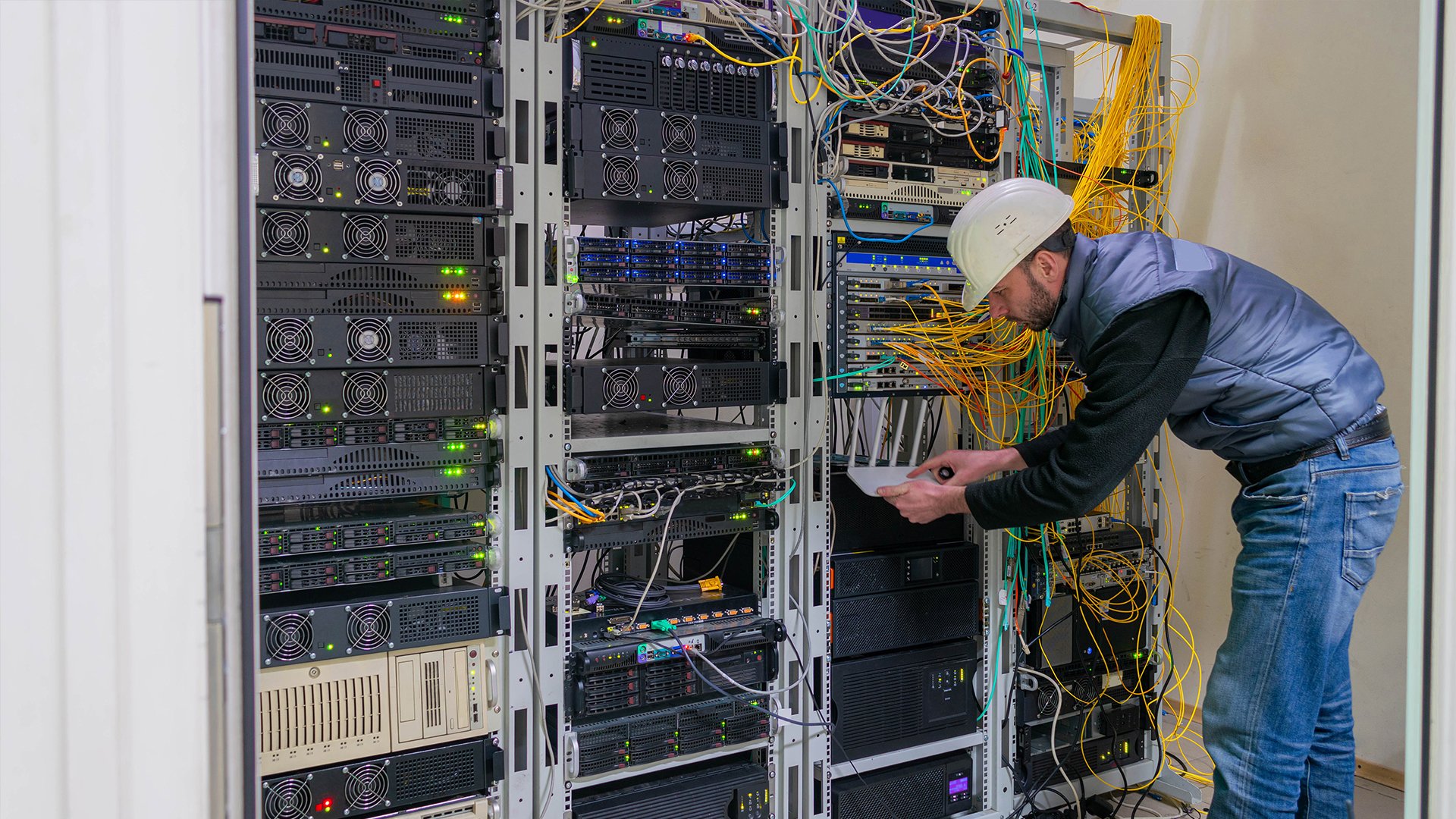
Spain & Portugal’s rise as Europe’s sustainable Data Centre hub

Why are Spain and Portugal becoming key locations for Data Centre development in Europe?
Spain and Portugal are rapidly emerging as one of Europe’s most attractive regions for data centre development. Across the Iberian Peninsula, strategic geography, abundant renewable energy and expanding international connectivity are positioning the region as a core hub for sustainable digital infrastructure.
For investors and operators facing growing constraints in Europe’s established data centre hubs — including land scarcity, grid congestion and increasing permitting pressure — Spain and Portugal offer a credible alternative. However, realising this opportunity depends less on availability alone and more on how effectively energy strategy, regulation, connectivity and regional market dynamics are understood and aligned from the outset.
In this blog, Elena Sánchez Reyes, Associate Director Mission Critical Facilities Spain at Haskoning, explores what is driving data centre growth across Spain and Portugal and what it means in practical terms for your next project.
The Iberian Peninsula’s transformation in the European Data Centre landscape
Europe’s data centre geography is evolving. While established hubs such as Frankfurt, Amsterdam and London remain critical, rising land and power constraints are pushing new capacity into alternative regions. Within this shift, Southern Europe is increasingly recognised as a credible location for scalable, long-term data centre development.
Spain has moved quickly into this space and now acts as the anchor market within the region. Once considered peripheral, it has developed into a scalable market supporting both metropolitan and campus-style data centre development. According to the Spanish industry association Spain DC, installed data centre capacity is expected to grow significantly by the end of the decade. Madrid has emerged as one of Europe’s fastest-growing data centre markets, supported by a mature ecosystem, strong transmission infrastructure and dense fibre networks. Barcelona complements this growth through its strategic role as a connectivity node. Beyond these hubs, regions such as Aragón, Castilla-La Mancha, Extremadura and Valencia are attracting large-scale developments, driven by improved power availability, competitive land conditions and proximity to high-voltage infrastructure.
In parallel, Portugal is strengthening its position within the wider data centre landscape. Lisbon remains the country’s primary digital hub, while Sines is emerging as a strategically important location for large-scale digital infrastructure development. Secondary regions are also beginning to attract interest as operators explore scalable sites with competitive energy conditions and long-term expansion potential. Together, developments in Spain and Portugal reinforce the growing importance of the peninsula as a European data centre market.
"Spain and Portugal are quickly becoming a key digital hub in Southern Europe. This growth is driving a real need for high-quality data centre and digital infrastructure. Seeing this opportunity, Haskoning has strengthened its presence across Iberia so we can work more closely with our clients and partners, supporting the development of resilient, future-ready infrastructure with global relevance."
A strategic location built on global connectivity
Geography is one of the region’s most enduring advantages. Spain and Portugal host and land multiple major submarine cable systems, providing low-latency connectivity to Africa, the Middle East, the Americas and across the Mediterranean. These routes strengthen the resilience of Europe’s wider digital backbone and position the peninsula as a critical international connectivity corridor rather than a peripheral endpoint.
Within this networked landscape, the market functions as a multi-hub environment. Madrid remains the primary centre for hyperscale and colocation activity, supported by scale, ecosystem maturity and network density. Barcelona strengthens resilience through Mediterranean connectivity, while in Portugal, Lisbon and Sines expand Atlantic routes that diversify international traffic flows. This multi-node structure allows operators to design for redundancy, manage latency more effectively and plan expansion strategies that are not dependent on a single national hub.
Why energy and renewables are shaping Data Centre growth across Spain and Portugal
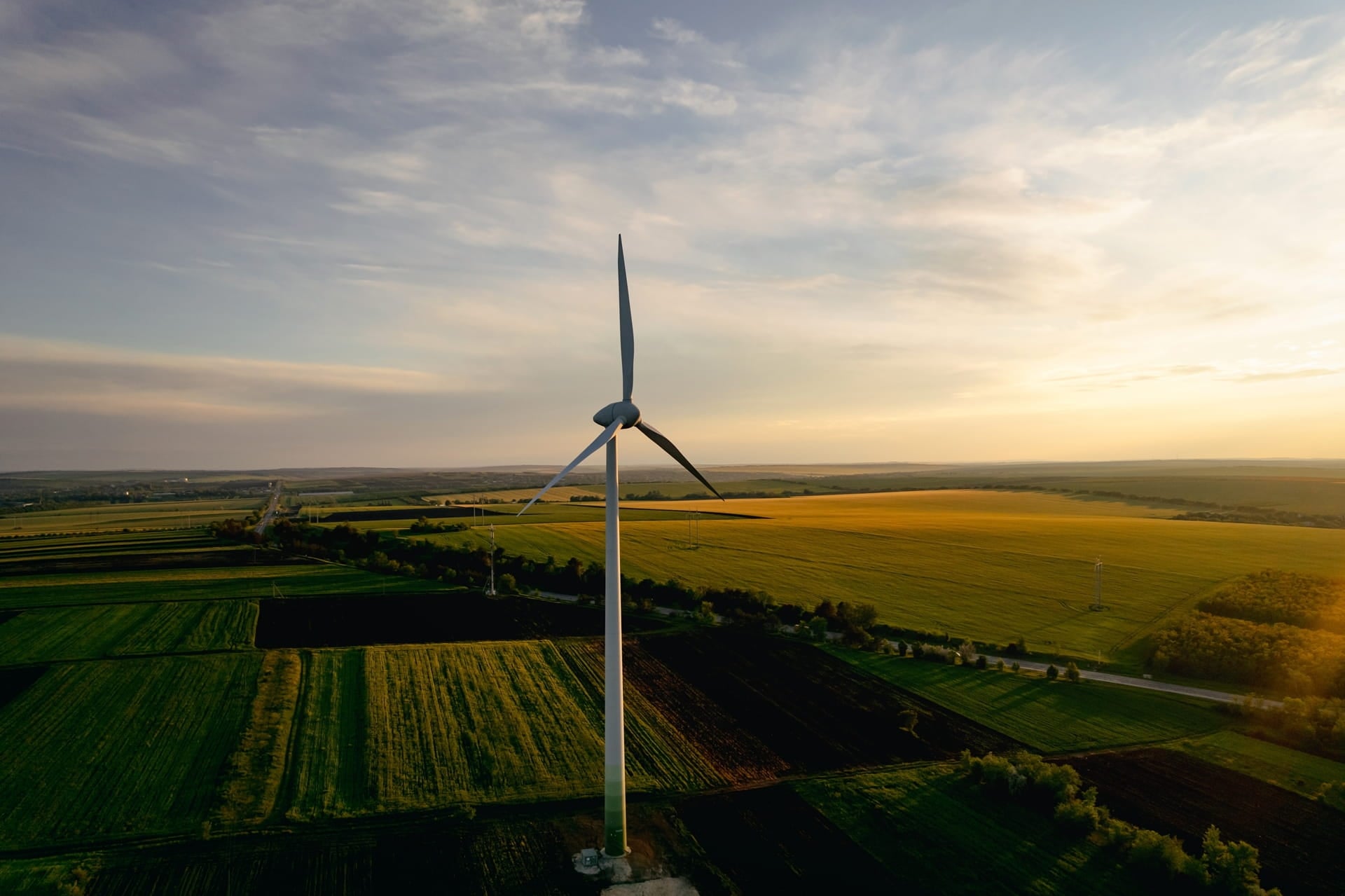
Energy availability is one of the region’s most compelling structural advantages. Both Spain and Portugal benefit from strong renewable generation profiles, with solar and wind forming a core part of the power mix. In Spain, renewables accounted for approximately 56.8% of electricity generation in 2024, according to Red Eléctrica de España (REE). Portugal, meanwhile, has one of the highest shares of renewable electricity generation in Europe, supported by a mature wind and hydro portfolio.
For data centre operators, this translates into access to cleaner power, improved ESG alignment and greater long-term price stability. As a result, Power Purchase Agreements (PPAs) — which allow operators to secure long-term renewable power directly from generators — are increasingly influencing site selection and commercial strategies. In practice, the structure, bankability and timing of PPAs are now shaping not only where projects locate, but also how they are phased and financed.
At the same time, grid capacity is under pressure in certain locations. Connection queues are growing as demand from large energy consumers increases, particularly around major hubs such as Madrid. Early engagement with grid operators and a realistic understanding of connection conditions are therefore essential to reducing delivery risk.
Sustainability as a competitive driver
Sustainability has shifted from differentiation to expectation across the data centre market in Spain and Portugal. Spain is among the first European countries to introduce data centre specific efficiency and emissions requirements, with a forthcoming Royal Decree set to require operators to report energy sources, enable heat reuse and optimise cooling systems. These measures move sustainability firmly into the regulatory and reporting domain.
In Portugal, sustainability requirements are shaped through broader energy and environmental frameworks, reinforcing similar expectations around efficiency and decarbonisation. Across both countries, favourable climate conditions and strong renewable generation profiles support the development of data centres with low PUE, advanced thermal management and modular expansion strategies. As a result, operators are increasingly integrating adaptive cooling technologies, waste heat reuse and scalable layouts to improve efficiency, reduce environmental impact and future-proof assets.
Challenges to navigate: what you should know
While Spain and Portugal offer strong fundamentals for data centre development, rapid growth also introduces challenges that need to be addressed early. Understanding how these factors vary by country and region is essential for realistic timelines, cost control and long-term scalability.
A market ready for collaboration
The rise of the Iberian Peninsula is reshaping the European data centre landscape. With its renewable energy base, strategic geographic position and expanding international connectivity, the region increasingly rewards technical rigour, early coordination and long-term thinking.
Haskoning’s Spanish office supports data centre projects across both Spain and Portugal, working closely with authorities, utilities and investors. By combining on-the-ground regional knowledge with international mission-critical expertise, we help clients navigate complexity, manage risk and make informed decisions throughout the full project lifecycle.
If you are considering Iberia for your next data centre development, our local teams can support you from early feasibility through to delivery, helping you align power, permitting and design decisions from the outset.

Learn more about our data centre expertise

 Data centres
Continuously evolving data centres through innovation and adaptation
 Data centres
Sustainable data centres for efficient net-zero operations