Now is the time to prepare for the next big flood

BenPatterson
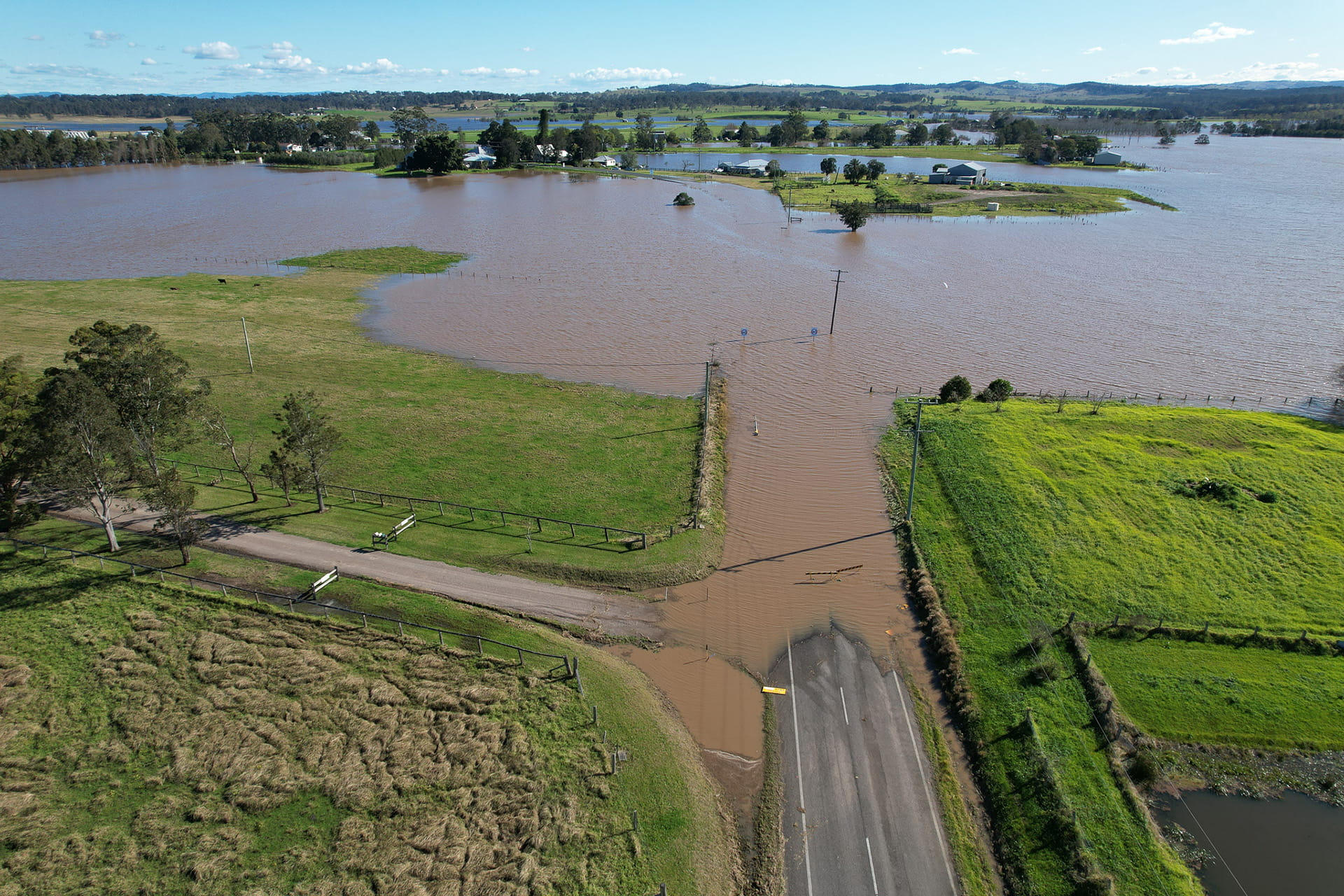
Australia has just endured the wettest decade since records began, culminating in devastating flooding across much of Australia's East Coast. Engineers Australia (ARR, 2019) and the Bureau of Meteorology have both indicated that flood intensity and frequency will continue to worsen as the climate warms. Recent events have seen frequent large events in succession, worsening flood damage due to a lack of time for both natural and built systems to recover between events.
One year on from Tropical Cyclone Alfred, communities across Queensland and northern New South Wales are still rebuilding homes, businesses and confidence. The anniversary is more than a date in the calendar. It is a moment to ask a harder question: are we better prepared for the next major flood events, or are we still locked in a cycle of response and recovery?
Extreme rainfall and flash flooding are no longer rare shocks. They are part of a changing risk profile that affects how we plan cities, protect infrastructure and invest public funds. If we continue to prioritise recovery over resilience, the economic and social cost will keep rising. Now is the time to shift from reacting to disasters to building long-term climate resilience.
Taking the right actions now could save lives and save the country hundreds of billions of dollars.
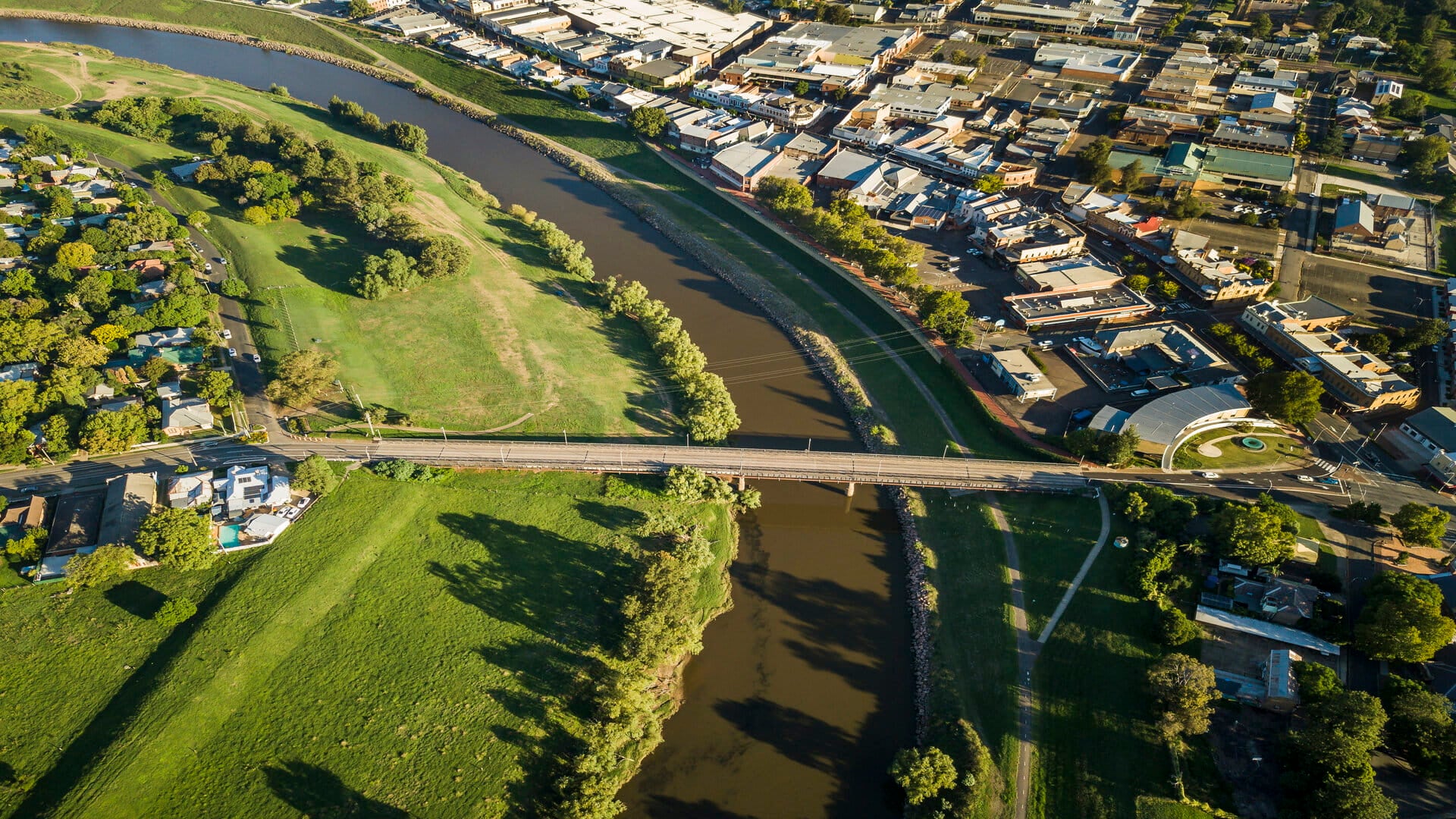
Flood defence strategies relied on for decades can become outdated overnight. For example, the levees along the Wilsons River in Lismore, NSW, which were designed to cope with a one-in-10-year storm, recently experienced around a one-in-500-year event. Water levels rose to almost four metres above the levee crest, causing devastating damage. Sadly, extreme events like this are likely to happen more frequently as the world heats up.
Going forward, Queensland is projected to bear the brunt of climate change-related natural disasters and is earmarked for nearly 40 per cent of the growing national cost. According to a report from Deloitte,1 “By 2050 climate change-induced costs to Australia’s economy from chronic and acute impacts will total approximately $973 billion in present value terms, compared to a world without climate change.”
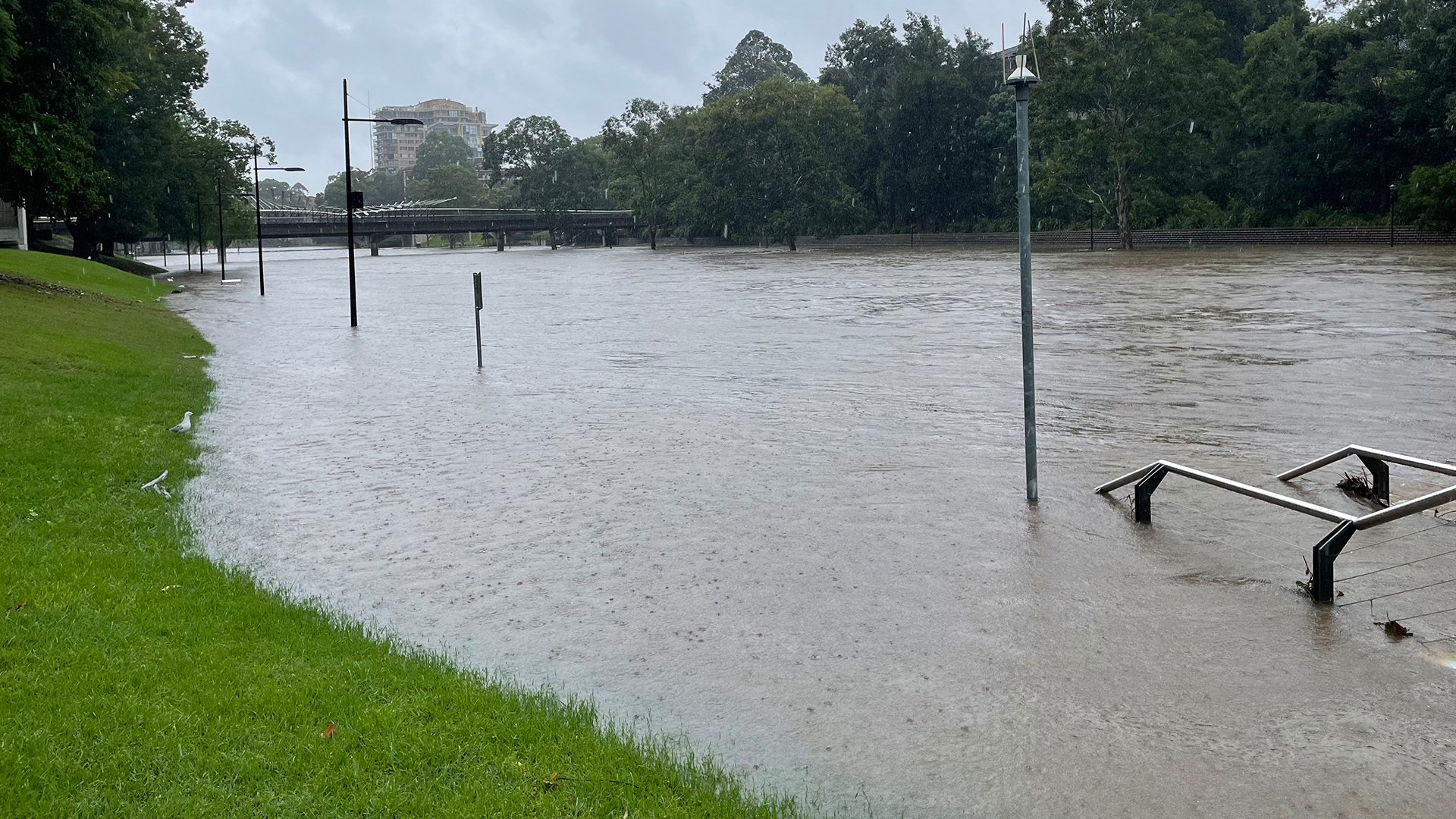
Australia needs clear and comprehensive climate mitigation and adaptation strategies. The current funding model is too reactive. The Productivity Commission found that 97 percent of current funding is spent on disaster recovery, such as emergency services responding to events, rehousing people, and repairing infrastructure damaged by flooding. In comparison, just 3 percent is spent on adaptation (making the country more climate resilient) and mitigation (reducing greenhouse gas emissions). 2 Clearly, this balance is out of kilter. So, what must be done?
Firstly, we must invest strategically in climate resilience, otherwise Australia will be trapped in an ever-depreciating disaster response and recovery cycle. Every dollar spent on mitigation will save two dollars in recovery costs. Adaptation and mitigation must join disaster recovery in a new trinity that shifts us from disaster recovery to climate resilience. Deloitte estimates that this would boost the Australian economy by $380 billion by 2050. Of course, this will mean investing more, but the cost of inactivity will be far higher.
Climate resilience must be built on better data
To combat climatic hazards, we need better data. Currently, flood alleviation budgets are split in two: flood investigation and mapping studies, capital projects for building or repairing levees, drainage, and gates, pumps and other infrastructure, and operational budgets devoted largely to the maintenance of existing systems. Underfunded areas include monitoring, flood forecasting, and early warning systems, which currently receive extremely limited funding in Australia, particularly at the local catchment level. This must change.
Particularly in urban areas, but also across less developed parts of Australia, too little data is available for planning and early warning system development. The density of gauge stations, measuring rainfall and water levels and relaying data via satellite telemetry, needs to be improved. Valid pilot projects demonstrate the value of increasing data density.
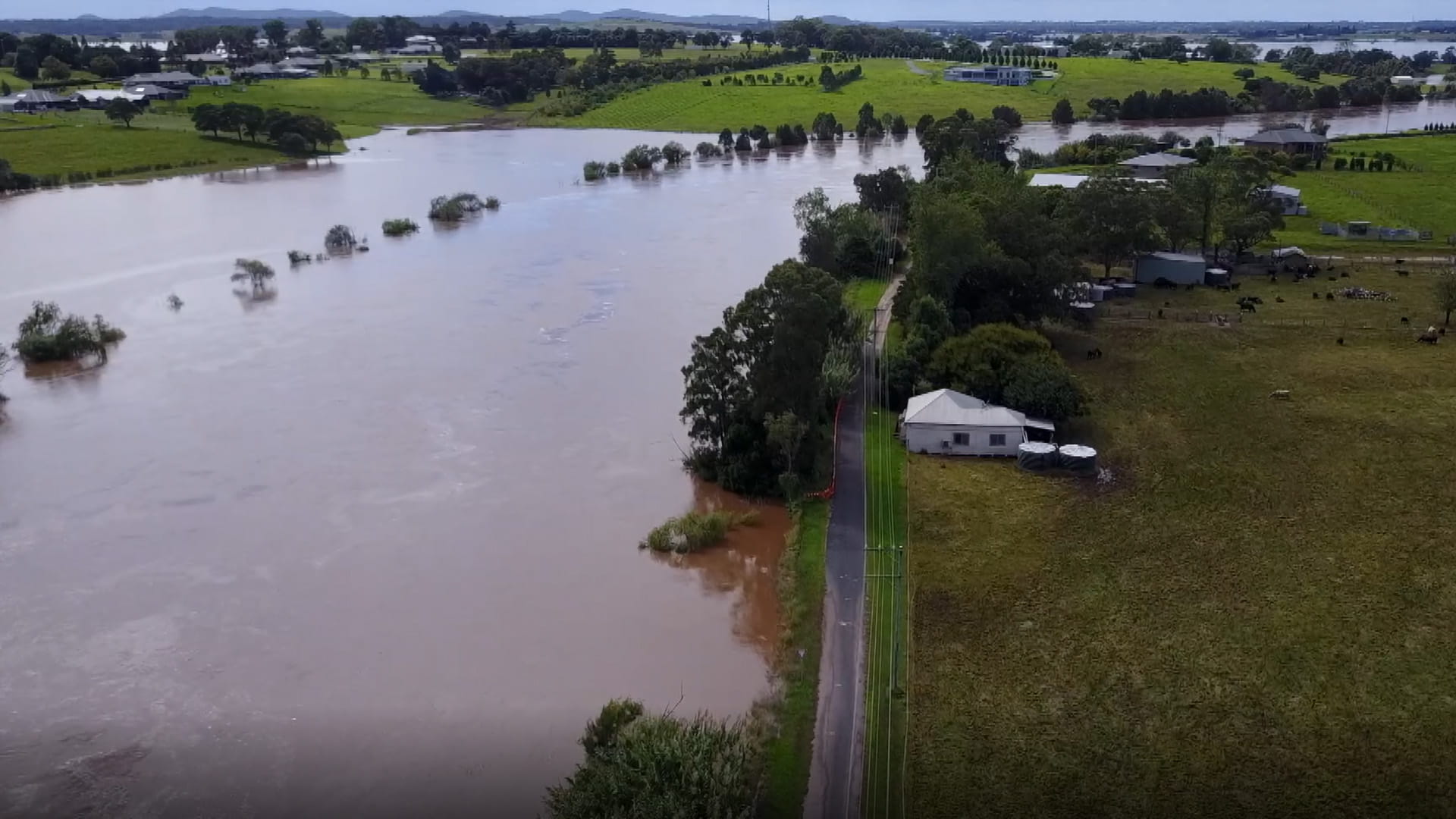
The Bureau of Meteorology continues to provide valuable Flood Forecasting services, and is now also supporting Local and State Governments across Australia to develop flash flood forecasting systems that enable planners and emergency services to warn communities of flash floods. These systems typically combine data from gauge stations with rainfall forecasting systems developed by the BoM, along with numerical models to predict water level rises. It has gone from asking ‘How do we respond to what’s happening?’ to ‘How do we plan for what’s predicted?’ This sharing of data is vital.
Improved monitoring, forecasting, and early warning systems coupled with investments in flood alleviation infrastructure including improved trunk drainage systems, levees, dams and flood barriers must go hand in hand with climate change mitigation, which is best achieved by reducing greenhouse gas emissions.
The recent major floods were a wake-up call to a nation that has perhaps grown complacent over the past 30 years. That is why the time is now to take action to minimise the impact of the next big flood. The cost of not doing so would be inexcusable.
Originally published in Eco Voice on 9 March 2026.
Discover more of our climate resilience services and projects

 Climate resilience