Guaranteeing fire safety in data centres

PaulWijnstra
As a lead consultant for the fire safety systems with over 20 years of experience in the application and design of fire safety systems, I specialise in helping data centres to meet local and customer / tenant requirements for the fire safety systems. Through the optimal alignment and integration of the fire safety systems with structural and organisational measures, the best and most sustainable solutions are created to suit the customers demand and the design.
Unlike ordinary buildings, the environment of a data centre, with its dense electrical systems and high-power equipment, poses unique fire risks.

Detection and warning systems

Advanced suppression technologies

Integration of modern technology

Ongoing maintenance and inspection
Detection and warning systems
Advanced suppression technologies
Integration of modern technology
Ongoing maintenance and inspection
What would happen if a fire broke out in such a space?
Beyond the immediate danger to physical assets, the disruption to services can cripple businesses and economies reliant on continuous data access.
This blog delves into prevention strategies, detection systems, and suppression solutions. How do these elements integrate to protect technological powerhouses from the impact of fire?
Fire prevention strategies
In the realm of fire safety, prevention is undoubtedly the first line of defence. For data centres, this involves a combination of design and operational strategies aimed at minimising the risk of a fire starting and limiting its spread if it does occur. The use of non-combustible building materials and the implementation of strict housekeeping rules to avoid the accumulation of combustible debris are standard practices. More tailored approaches include designing server rooms that prevent overheating, designed with CFD studies, and using intumescent materials that expand when heated, providing a barrier that slows the spread of fire.To prevent a fire from spreading, compartmentalisation – dividing the data centre into separate fire zones – plays a crucial role. This approach contains fires in small areas, limiting the amount of damage and making it easier to control and extinguish the fire. Fire-rated walls, floors, doors, and fire-stopping materials around cables and vents ensure that fire, smoke, and toxic fumes do not spread from one compartment to another. These barriers provide critical protection and help maintain the integrity of the structure and crucial pathways for safe evacuation.
In addition to these design strategies, it is essential to have regular training and drills to ensure that all personnel are prepared to act correctly in an emergency, minimising risks and potential damage.
Detection and warning systems
While preventing fire is crucial, early detection saves lives and prevents damage. In data centres, traditional smoke and heat detectors might not always be effective due to high airflow environments. Advanced fire detection systems use more sensitive technologies, like aspirating smoke detectors, which continuously sample the air for the smallest particles of smoke. These systems can detect a fire at its very early developing stage, long before it would trigger a conventional detector.When a fire is detected, warning systems must be tailored to the data centre environment. In high-noise areas like server rooms, visual warning systems are crucial. Strobe lights and clear, visible signage ensure that even with protective gear on, staff can be alerted to evacuate or tackle the issue immediately.
Advanced suppression technologies
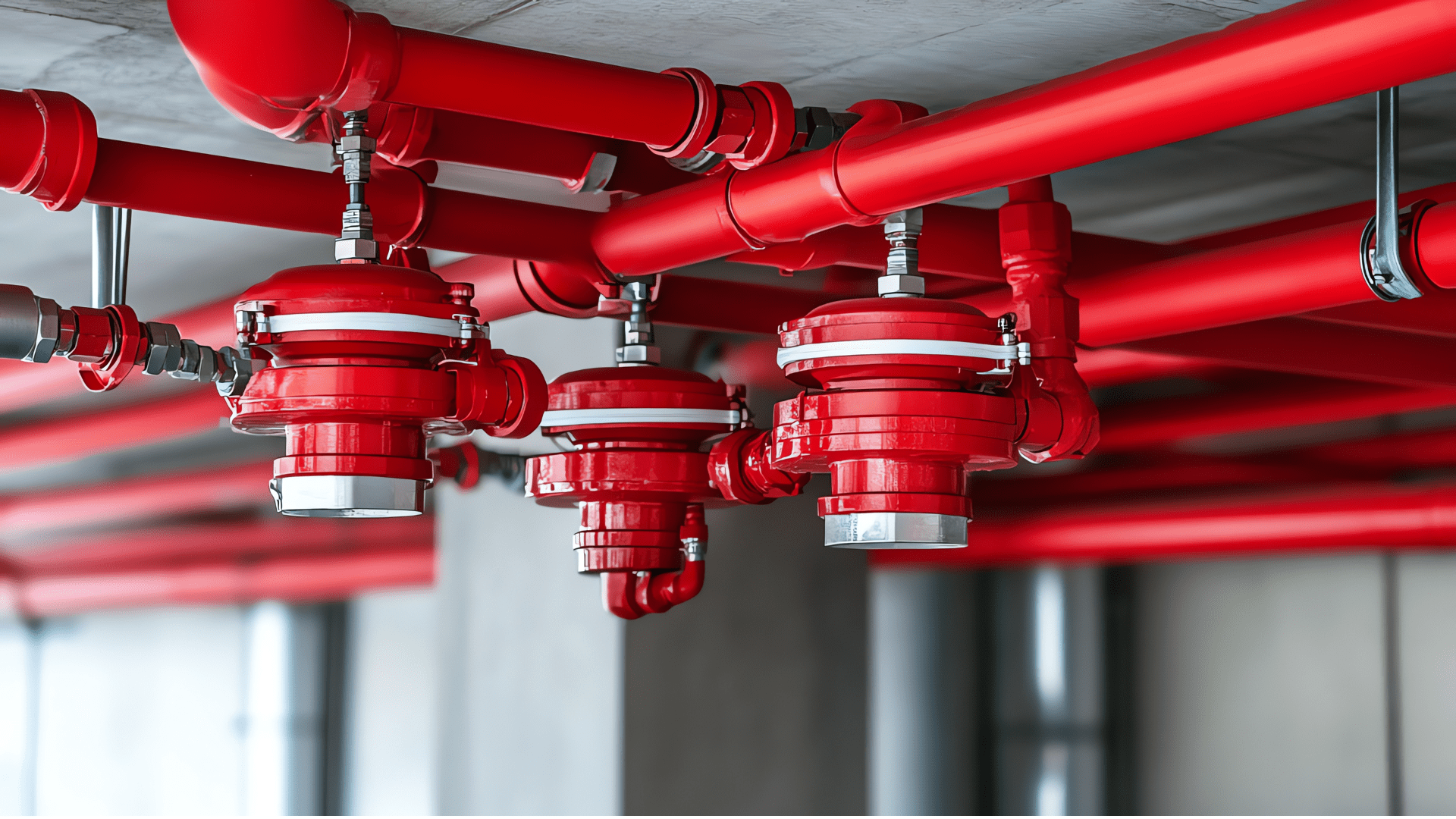
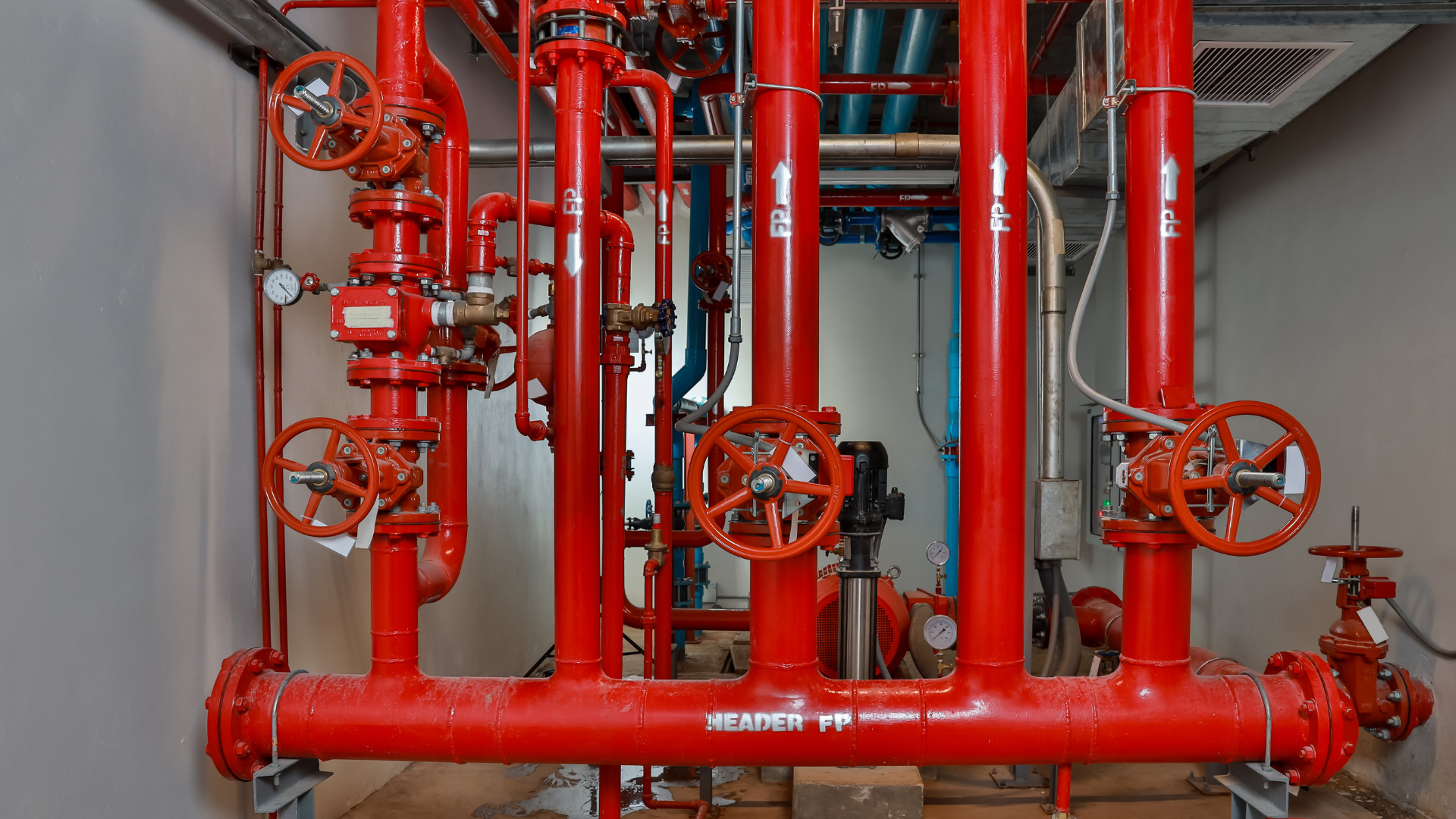
Once a fire is detected, suppression systems must safeguard electronic equipment and ensure personnel safety, while minimising potential damage.A double interlock pre-action fire sprinkler system is a type of fire suppression system ideal for environments where preventing accidental water discharge and electronic damage is crucial. The fire detection system has the aspirating smoke detectors strategically placed in the rooms, activating only when a fire is detected, signalling the relevant valve for the first knock. When the glass bulb in a sprinkler head breaks due to the heat of the fire, the preaction valve will open and will flood the pipework with water.
Integration of modern technology in fire safety systems
In the coming years, we will progressively witness the widespread use of advanced technology in fire safety systems, which will complement existing solutions. With this fire safety management systems, we can monitor, control, and respond to potential fire incidents in real-time.Future developments may include advanced sensors with artificial intelligence and machine learning for early fire detection in ASD systems and even spot detectors. It will analyse environmental data to predict and identify fire risks more accurately and prevent false alarms.
As data centres adapt to new regulations, these intelligent solutions are anticipated to provide a coordinated and effective response to emergencies.
Ongoing maintenance and inspection
Ongoing maintenance and inspection are part of a comprehensive fire safety strategy in data centres. Regular checks ensure that all elements of the fire safety system are functioning optimally and can perform as expected in the event of a fire. This includes testing alarms, inspecting suppression system components, and ensuring that fire detection sensors are not blocked and are free of dust and debris that could impair their functionality. Scheduled reviews also allow for updates and adjustments in response to evolving risks and the latest fire safety technology advancements, keeping the data centre up-to-date with current safety standards and best practices.
Contact us for expert fire safety solutions
We offer expert guidance and solutions tailored to the unique needs of your data centre. From assessing risk to designing advanced fire prevention, detection, and suppression systems, our team ensures your data centre meets the highest safety and compliance standards. For more information, please contact our specialists today.