Successful deployment and optimisation of renewable energy
The growing importance of renewable energy and its successful deployment
Renewable energy sources, such as solar, wind, hydro, and biomass, are not only abundant and sustainable but also produce lower greenhouse gas emissions compared to traditional fossil fuels. The successful deployment and optimisation of these renewable energy systems are crucial for a sustainable future. In fact, the global renewable energy capacity has been on a steady rise, with a record addition of 280 gigawatts (GW) in 2022 alone.Overcoming the intermittency challenges in renewable energy
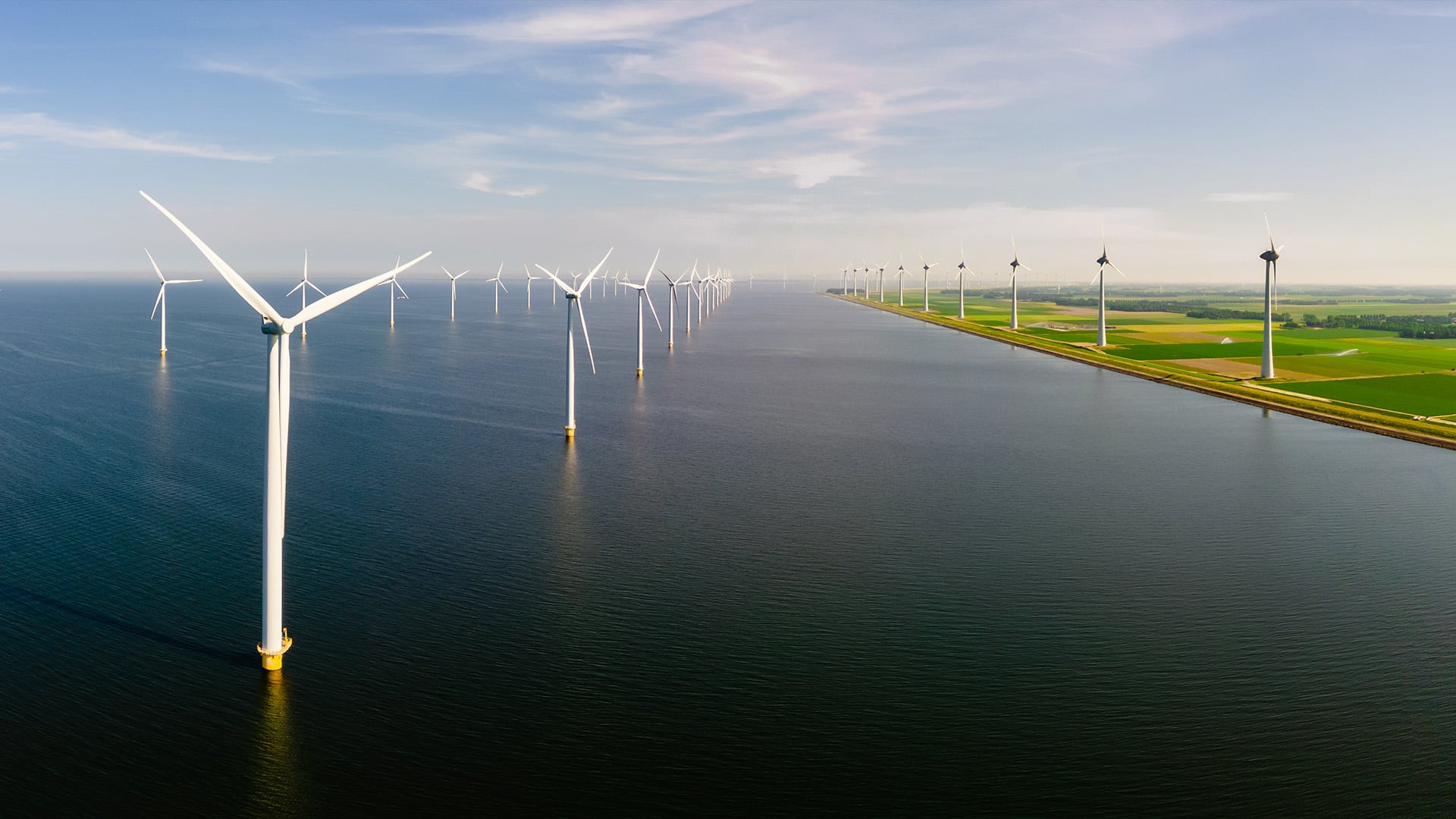
However, the journey towards renewable energy is not without its challenges. One of the key hurdles is the intermittency of renewable sources like wind and solar. Their generation is variable , but innovative strategies and technologies are being employed to address these challenges. Wind farms, for instance, are designed to optimise wind resources. Turbines are placed far apart to reduce the impact of wake losses, ensuring that the performance of one turbine doesn't affect another. Moreover, many developers now plan to use battery storage to support wind farms. Demand response programs are also implemented, adjusting the output when there's a high demand from other sources.
Addressing intermittency in renewable energy involves energy storage technologies, grid flexibility, hybrid systems, advanced forecasting, and supportive policies, all aimed at ensuring a consistent power supply.
The multifaceted benefits of renewable energy deployment
Environmental Benefits
Renewable energy sources contribute significantly to reducing carbon emissions and combating climate change. For instance, a study found that increasing the share of renewable energy in the electricity sector to 70% by 2030 could lead to a 47% reduction in global CO2 emissions compared to business-as-usual scenarios.
Energy Independence and Security
Investing in renewable energy enhances energy independence by diversifying the energy mix and reducing dependence on fossil fuel imports. This strengthens the resilience of energy systems and reduces vulnerability to geopolitical uncertainties.
Economic Opportunities
The renewable energy sector presents significant economic opportunities, including job creation and local economic development. For example, in the United Kingdom, the renewable energy industry employed over 128,000 people in 2021, contributing £17.5 billion to the economy.Factors influencing the cost competitiveness of renewable energy technologies
The cost competitiveness of renewable energy technologies is influenced by several factors. Technological advancements, such as higher-efficiency solar panels and more reliable turbines, can reduce costs and increase competitiveness. The scale of deployment also plays a significant role, with larger projects often leading to economies of scale. Government incentives, subsidies, and favourable policies for renewable energy can also make it more cost competitive against conventional sources. Additionally, the availability of renewable resources, access to affordable financing and investment opportunities, and fossil fuel prices also play a part in determining the cost competitiveness of renewable energy technologies.Cost competitiveness of renewable energy technologies hinges on factors like resource availability, technological advancements, policy support, and market dynamics.
The crucial role of policy frameworks and regulations
Policy frameworks and regulations play a crucial role in supporting renewable energy deployment. These can include renewable energy targets set by countries or regions, incentives and feed-in tariffs implemented by governments, and renewable portfolio standards requiring a specific portion of electricity from renewable sources. The ease and speed of obtaining permits for renewable projects and access to grid connection also impact the deployment of renewable energy.Harnessing data-driven decision-making and advanced analytics
In the quest to optimise the performance and maintenance schedules of renewable energy systems, data-driven decision-making and advanced analytics have emerged as crucial tools. Predictive maintenance, energy forecasting, load management, and resource optimisation are some areas where data and analytics are used. These strategies aid in planning, decision-making, reducing costs, and improving operational efficiency in renewable energy systems.Cloud analytics, AI, and automation will enhance the cost competitiveness of renewable energy technologies even further by reducing operational costs, offering cost-effective solutions, and boosting productivity.