Quick guide to data centre design phases and disciplines

Data centre design and construction phases
Realising and delivering a data centre consists of multiple steps. Each step has its own set of best practices and key considerations to ensure the data centre is built efficiently, reliably, and cost-effectively. Let’s have a closer look at the different design phases involved.1. Definition, assessment and planning
It all starts with a solid plan. To make sure your data centre fits all the important requirements once it’s in operation, we first need to identify what our goals and requirements are. Defining the goals and requirements is the main objective of the first phase when designing a data centre.
You want to maximise your business case. Therefore, in addition to the goals and requirements, we need to identify the risks to mitigate and opportunities to capitalise on with the design of your new data centre.
And no two data centres are the same. That’s why, before we start designing a data centre, we also need to know more about the infrastructure, technology and location that we’ll be working with. For example, a new data centre on a greenfield or brownfield site requires a different design approach. This early assessment should also cover grid availability, utility connection timelines, planning and permitting constraints, climate risk, water availability, heat reuse opportunities and any local energy performance reporting obligations.
Your goals and requirements determine the design process. For example, what are the availability and efficiency requirements for your new facility? Or do you want to build your data centre in several stages? How about certifications? Do you want a BREEAM (Building Research Establishment Environmental Assessment Method) or LEED (Leadership in Energy and Environmental Design) certified data centre?
Whatever goals you set, they should all be incorporated into the overall budget and planning. And in addition to your own goals and requirements, there are local requirements to incorporate as well. Complying with local regulations and permitting regulations can greatly determine your planning.
By extensively analysing the goals, risks, requirements and opportunities for your data centre, an overall assessment and planning is made. Time to market is crucial, but speed has to be balanced with grid capacity, permitting, resilience, safety and long-term operating performance. Therefore, at the end of phase 1, you will have an efficient plan that maximises your business case and reduces the risk of redesign, delays or stranded capacity later in the project.
2. Design
In the design phase, a detailed design plan will be developed according to the goals and requirements of the new data centre. This phase concerns architectural development and detailed design. During this phase, we’ll create a floor plan and decide on the layout. We will be looking into the layout of the rooms, the rack structure, the cabling, power distribution and the cooling systems. Throughout this phase, we get a clear understanding of all the equipment and components we want to work with. For high-density or AI-ready facilities, this should also include rack density roadmaps, air and liquid cooling strategies, space for coolant distribution units, higher-capacity power distribution, metering architecture and phased capacity planning.
Smart solutions like reusing wastewater or limiting energy use by selecting the most efficient layout for cabling can be part of the design phase. Other important considerations include heat reuse, low- or no-water cooling, efficient air management, modular electrical and mechanical systems, and monitoring for performance metrics such as PUE, WUE, CUE and energy reuse. It is important to note that this phase is an iterative process; it will take multiple iterations before a final plan is approved by all stakeholders.
3. Construction and implementation
The data centre will be constructed following the detailed design during the construction and implementation phase. During the construction, the physical installation of equipment, cabling, network components and powering and cooling systems are included. Construction teams will work with all necessary stakeholders to ensure that all safety regulations are being met.It is important to check whether all components have been installed correctly and that they are functioning as expected. For that, we will create a commissioning plan.
4. Testing and commissioning
During the fourth phase, all critical systems of the data centre are being tested for quality assurance and to ensure that they operate as designed. We want to be sure that the reliability and availability of the data centre are the same as designed. Running load tests on the equipment, power distribution, cooling systems and fire suppression systems is part of the testing phase.
Once the test results have been verified, any necessary changes can be made, and the data centre will be commissioned. Certification activities should not be treated as a final step only. ISO/IEC 27001, BREEAM, LEED, EN 50600-aligned requirements or operator-specific standards may require evidence from planning, design, construction, commissioning and operations. During commissioning, the focus should be on verifying integrated performance, safety, resilience, operational readiness and the documentation needed for handover.
5. Operations, maintenance and monitoring
Operations, maintenance and monitoring are part of your data centre’s daily use. It involves checking the data centre’s performance and security to make the necessary adjustments. In this phase, the maintenance of the data centre takes place as well as regular testing and updates.
Ongoing monitoring ensures the reliability and availability of your data centre at all times. It should also support continuous commissioning, predictive maintenance, energy and water performance tracking, cybersecurity monitoring, sustainability reporting and operational optimisation as workloads, rack densities and regulatory expectations change.
Data centre design disciplines
As we just described, designing a new data centre takes place in several stages. Each stage requires a specific set of skills and expertise. So before starting the process, it is important to consider which disciplines will be needed and how they will coordinate for the best results. In addition to the core building engineering disciplines, modern data centre projects should include network and IT, cybersecurity, sustainability, energy strategy, commissioning and regulatory expertise from an early stage.
Matching the power supply, for example, with the physical components of a data centre combines electrical and mechanical engineering. Or designing raised floors to route cables underneath combines architecture and electrical engineering. Let’s look into the main disciplines that are involved in the design of a new data centre.
1. Architecture
Data centre architecture concerns the design of the overall floor plan of a data centre. Architects should align with the needs of all disciplines when making decisions about how to lay out a space. Architects may also be involved in choosing materials such as fireproofing or soundproofing, depending on the specific requirements, local building codes and data centre standards.2. Structural engineering
Structural engineering is responsible for designing and constructing the physical structure of the data centre. This includes the framing and foundation, flooring, walls, and roof. The specific challenges for data centres are providing adequate support for the weight of the equipment, designing fire suppression systems and creating an efficient layout to reduce energy costs.3. Electrical Engineering
Integrating the power supply into the data centre design is the responsibility of electrical engineers. This includes power distribution, backup power, UPS systems, wiring and other electrical components. It may also include grid connection strategy, on-site generation, renewable energy integration, battery energy storage, demand flexibility, metering and power quality monitoring.
4. Mechanical Engineering
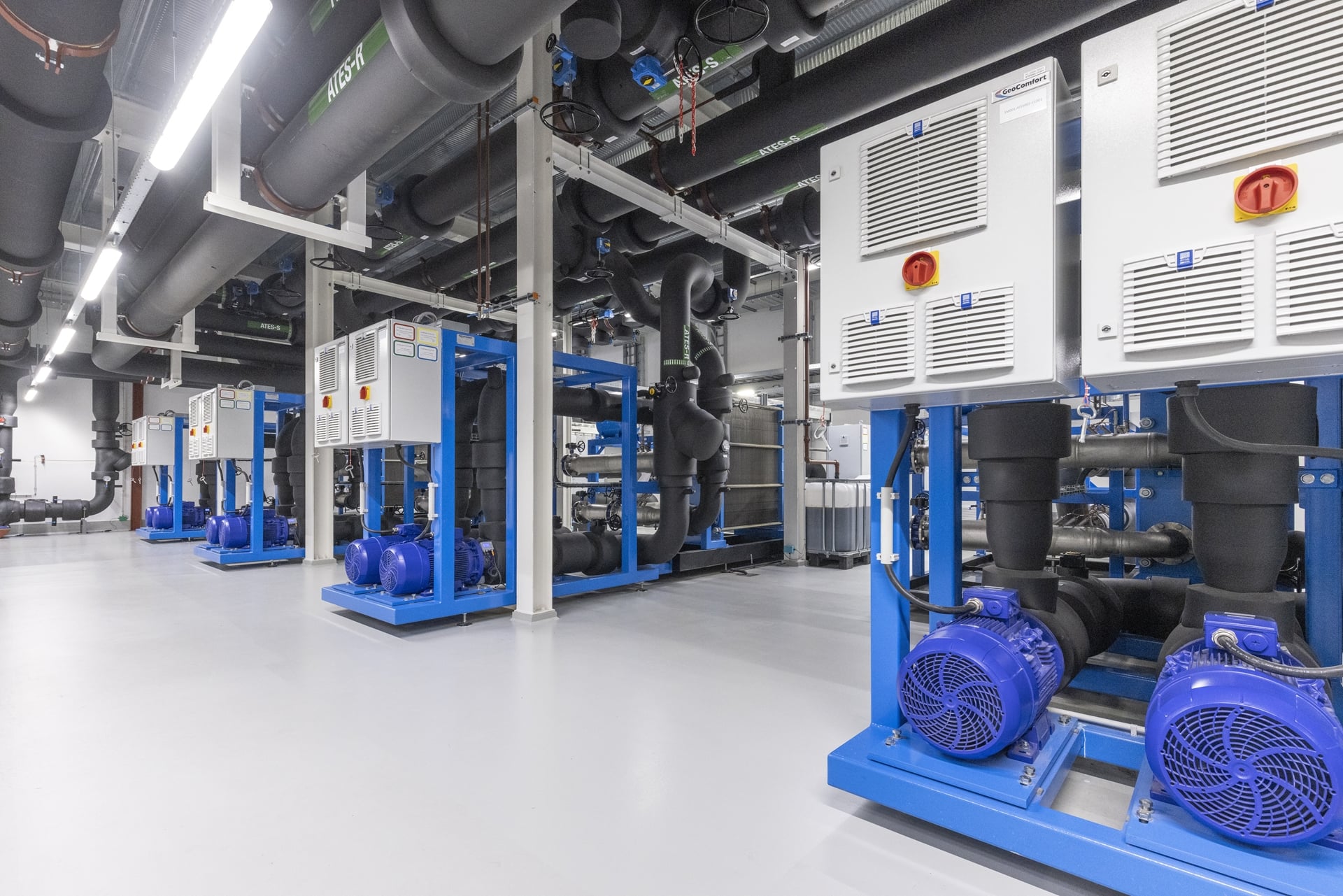
The mechanical engineer’s role is focused on ensuring proper data centre cooling. Considerations in mechanical engineering are cooling capacity and efficiency, temperature control, humidity levels and noise pollution from fans or other cooling mechanisms. For high-density environments, mechanical design should also consider liquid cooling readiness, heat rejection strategy, water use, heat reuse and the resilience of cooling systems during maintenance or failure scenarios.
5. Cybersecurity and network engineering
Cybersecurity and network engineering should be considered alongside the physical design. This includes network topology, connectivity, secure remote access, monitoring, incident response requirements and alignment with frameworks such as ISO/IEC 27001 and, for in-scope EU operators, NIS2 requirements.
6. Fire Security Engineering
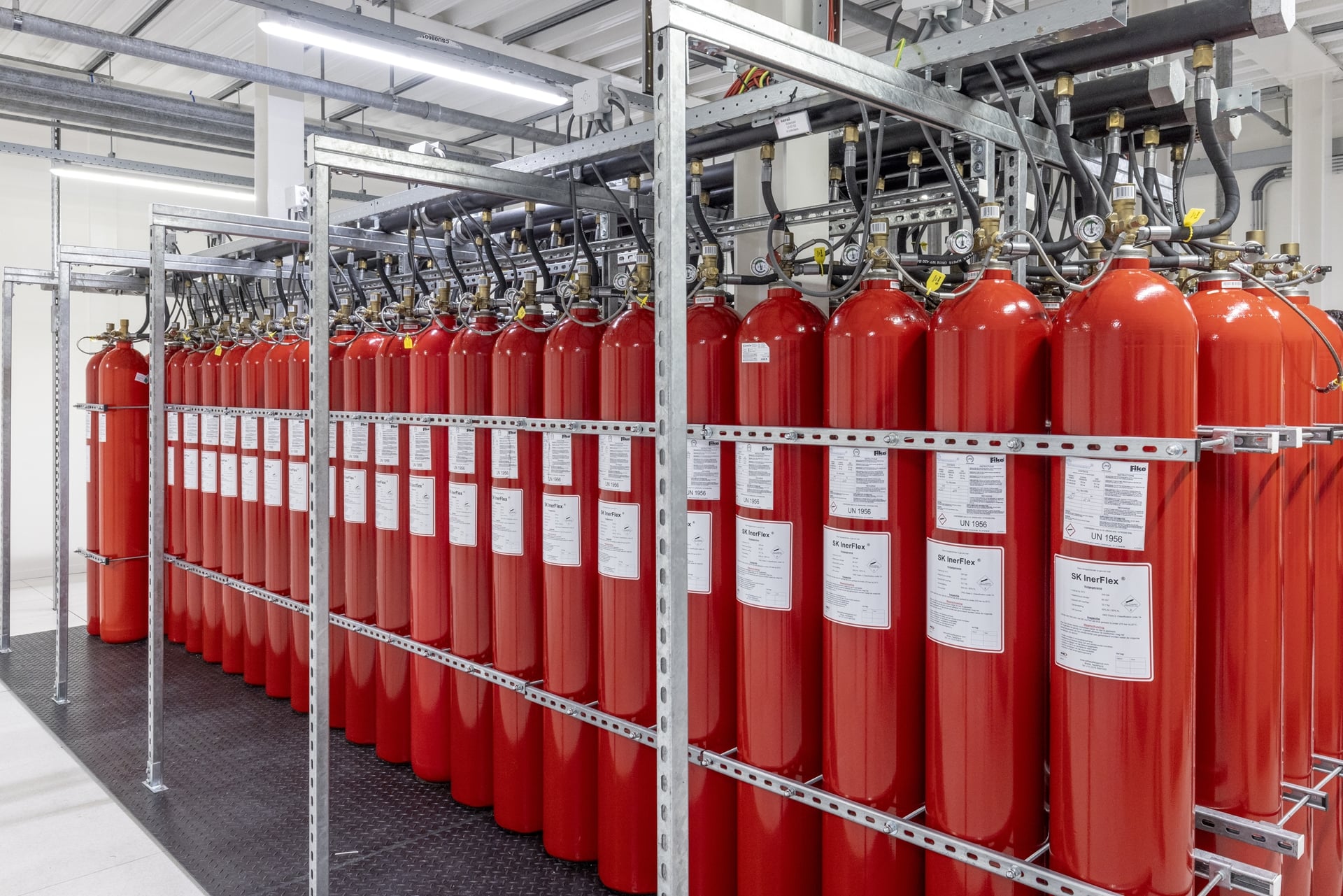
Fire, life safety and physical security engineers design fire detection and suppression, compartmentation, emergency procedures, access control, CCTV, intrusion detection and secure movement through the facility. These measures protect people, assets and continuity while meeting local building codes, insurance requirements and data centre standards.
Project management
In addition to these disciplines, project managers have a vital role in the design of your new data centre. A project manager is responsible for coordinating all these disciplines as well as managing stakeholders and other personnel to ensure that the entire process runs smoothly from start to finish. They are also responsible for making sure deadlines, budgets and quality standards are met throughout each phase of the project.To align all disciplines and include all requirements, data centre design involves numerous steps. With the planning and assessment phase, requirements and goals will be set in alignment with the budget and timeline. The design phase covers the detailed design of a data centre, which will be constructed during the construction and implementation phase.
During testing and commissioning, tests will be conducted to ensure the reliability and quality of the data centre. Finally, with the monitoring and maintenance of data centres, reliability and availability can be ensured in the operational phase.