Designing green energy data centres: a holistic approach
Green energy data centres in short
- Green energy data centres combine energy efficiency with renewable energy to reduce the environmental impact of their operations.
- Reducing data centre power consumption starts with efficient IT infrastructure, cooling, power distribution and energy management.
- Renewable energy can be sourced through procurement and, where feasible, complemented by on-site generation and energy storage.
- A holistic energy strategy should consider energy consumption, energy recovery, renewable energy availability and the carbon impact of electricity use.
In this blog, we explore how the trias energetica framework can help guide sustainable data centre design and the key strategies involved.
In our increasingly digital world, data centres play a crucial role in empowering the technologies and services we rely on daily. However, the rapid growth of data centres has led to significant concerns about their environmental impact, particularly in terms of power consumption. Thankfully, a growing emphasis on sustainability has given rise to the concept of green energy data centres, where renewable energy sources are harnessed to power these facilities. In this blog, we will explore the importance of designing data centres sustainably and dive into the benefits and challenges of adopting green energy solutions.
Data centre power consumption: a growing concern
Data centres are notorious for their high power consumption, mainly driven by the energy requirements of countless servers and networking equipment. According to the IEA, data centres consumed around 415 TWh of electricity globally in 2024, accounting for approximately 1.5% of global electricity consumption. This level of power consumption contributes to operational costs and, depending on the electricity source, carbon emissions. Addressing data centre power consumption is therefore important for reducing environmental impact and supporting more sustainable operations.
Designing green energy data centres
In the era of increasing environmental awareness and the urgent need for sustainable solutions, green energy data centres have gained significant traction. These innovative facilities prioritise energy efficiency, reduce carbon emissions, and harness renewable energy sources to power their operations. Transitioning into a green energy data centre entails more than purchasing green energy; it requires a holistic approach to energy usage. We will explore how green energy data centres adhere to the trias energetica framework, examining the vital strategies and innovative technologies that underpin the development of environmentally conscious data centres. Let’s take a look.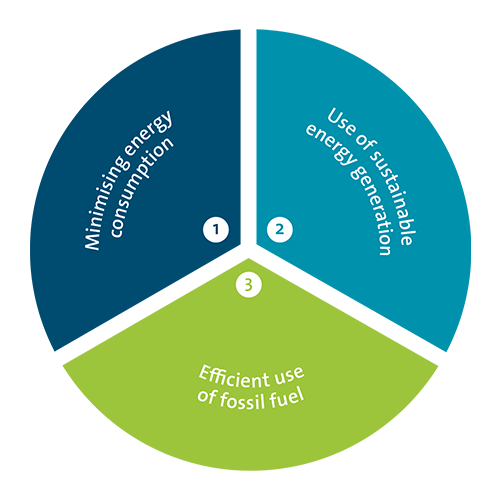
1. Minimising energy consumption
The most effective strategy for achieving sustainable energy consumption is to eliminate the need for energy altogether. Hence, the initial phase of the trias energetica focuses on minimising energy consumption. Three effective approaches to reduce energy consumption that we’ll dive into are energy-efficient infrastructure, energy recovery and recirculation, and strategic considerations for location and site selection.Energy-efficient infrastructure
To minimise energy consumption, data centre design and infrastructure are crucial. Employing energy-efficient servers, cooling systems, and power distribution units can significantly reduce power requirements. Modern cooling techniques, such as hot aisle/cold aisle containment and liquid cooling solutions, enhance cooling efficiency and minimise energy waste. Additionally, using energy-efficient lighting and implementing smart power management systems can further optimise energy consumption.Power Usage Effectiveness (PUE) stands as a pivotal metric in evaluating the energy efficiency of data centres. It represents the ratio of total energy consumed by a data centre to the energy utilised solely for IT equipment. The ultimate goal is to achieve a PUE as close to 1 as possible, indicating the highest level of efficiency. According to Uptime Institute, average industry PUE has remained relatively stable in recent years, at around 1.5 to 1.6. This indicates that further improvements in data centre energy efficiency increasingly require approaches that go beyond facility-level PUE alone.
Even though achieving a lower PUE is standardised in the market and has become a key objective in enhancing energy efficiency it does not measure the efficiency of IT devices themselves. To comprehensively evaluate the energy efficiency of a data centre, additional metrics focusing on the IT devices within the data centre such as Data Centre Infrastructure Efficiency (DCiE) or Compute Efficiency Ratio (CER) are often considered. These metrics focus specifically on the energy efficiency of the computing and processing equipment, providing a more detailed assessment of the effectiveness of IT devices in relation to energy consumption.
Energy recovery and recirculation
In a data centre, the energy input generates a substantial amount of heat as output. However, instead of considering excess heat as a waste product, green energy data centres embrace innovative solutions to harness and repurpose this energy.Heat recovery systems can redirect waste heat to provide warmth for neighbouring buildings or to power other industrial processes. While reducing the dependence on traditional heating systems and contributing to energy savings for the neighbouring buildings, this also presents an opportunity for data centres to establish partnerships with local communities and organisations, fostering collaborative efforts towards sustainability.
Implementing heat recovery systems can present infrastructure challenges, particularly when establishing the required heat exchange mechanisms with surrounding buildings. Overcoming these challenges requires careful planning, coordination, and investment in facilitating infrastructure to ensure effective heat transfer.
Another approach is the implementation of efficient air recirculation systems within data centres. These systems leverage the warm air expelled by servers to heat incoming cooler air, thereby reducing the need for additional energy consumption.
Location and site selection considerations
Choosing an ideal location can enhance the energy efficiency of a green data centre. Considering natural climate conditions can help optimise cooling requirements, reducing the need for energy-intensive cooling systems. For example, regions with naturally cool climates, such as the Nordic countries in Europe, can significantly reduce the need for energy-intensive cooling systems because of the lower average temperatures throughout the year. Data centres in these regions can optimise their cooling processes by harnessing the natural cool air from the environment.2. Using renewable energy in data centres
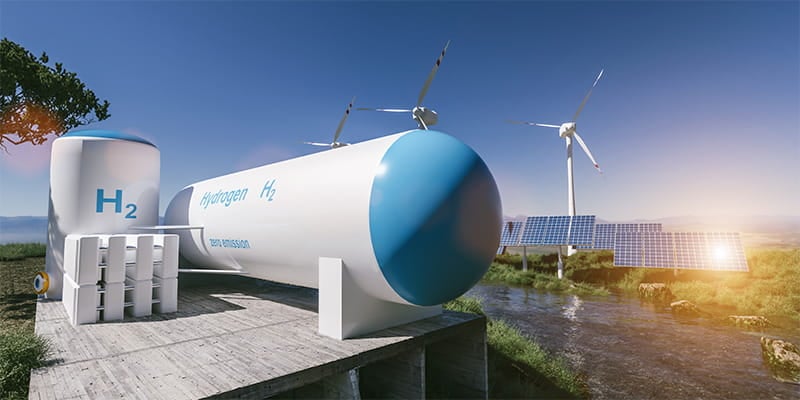
The second step of the trias energetica focuses on using sustainable energy sources. Renewable energy sources such as solar, wind, hydrogen and geothermal energy can help reduce reliance on fossil fuels. Renewable energy procurement has become an important part of the energy strategies of many data centre operators. However, matching annual electricity demand with renewable energy purchases does not necessarily mean that renewable electricity is available at the same location and time as consumption.It is therefore important to consider how renewable electricity is sourced. Renewable energy certificates and power purchase agreements (PPAs) can support renewable energy procurement, but the timing and location of renewable generation also influence the carbon impact of electricity consumption. Looking beyond annual matching provides a more complete picture of how renewable energy contributes to data centre operations.
Data centres can complement renewable energy procurement by supporting additional renewable generation and, where feasible, generating energy on site. The appropriate approach depends on factors such as location, available space, energy demand and access to renewable energy infrastructure. Combining responsible renewable energy procurement with additional generation can form part of a broader strategy to reduce the carbon impact of data centre operations.
Engaging in on-site renewable energy production, with solar panels or wind turbines directly at the facility, is commonly suggested as a green energy supply. On-site renewable energy generation, such as solar or wind, can contribute to a data centre’s energy supply, although the available site area, local conditions and scale of electricity demand can limit how much of the facility’s total consumption can be met on site. A comprehensive strategy combining renewable energy procurement, on-site generation where feasible, energy storage and other low-carbon energy solutions can therefore help data centres reduce their carbon impact.
Furthermore, data centres can implement energy storage systems, such as batteries or pumped hydro storage, to store excess renewable energy generated during peak production periods. These stored energy reserves can then be utilised during times of high demand or when renewable energy generation is low. Flexibility plays a crucial role in harnessing the benefits of renewable energy sources. Through efficient management and optimisation of renewable energy resources, data centres can enhance their green energy footprint and reduce their reliance on non-renewable sources.
3. Matching energy consumption with renewable energy availability
Renewable energy generation does not always coincide with data centre electricity demand. While annual renewable energy procurement can offset electricity consumption over the course of a year, hourly matching provides a more granular view of when electricity is consumed and when renewable energy is available. While the reliance on non-renewable sources may be inevitable at times, prioritising their efficient use is crucial. An approach that remains relatively uncommon in the data centre industry but holds promise for optimising fossil fuel usage is hourly matching.
Hourly matching deviates from the traditional practice of evaluating energy consumption on an annual basis and matching it with an equivalent amount of renewable energy purchases. Instead, it focuses on tracking energy usage on an hourly basis. This approach provides valuable insights into the specific hours when the variability associated with renewable energy necessitates the use of fossil fuels from the grid.
This approach enables green data centres to proactively manage their energy usage and make informed decisions about when and how to optimise their reliance on fossil fuels. By aligning energy consumption with renewable energy availability on an hourly basis, the carbon footprint can be minimised while maximising the utilisation of renewable energy sources.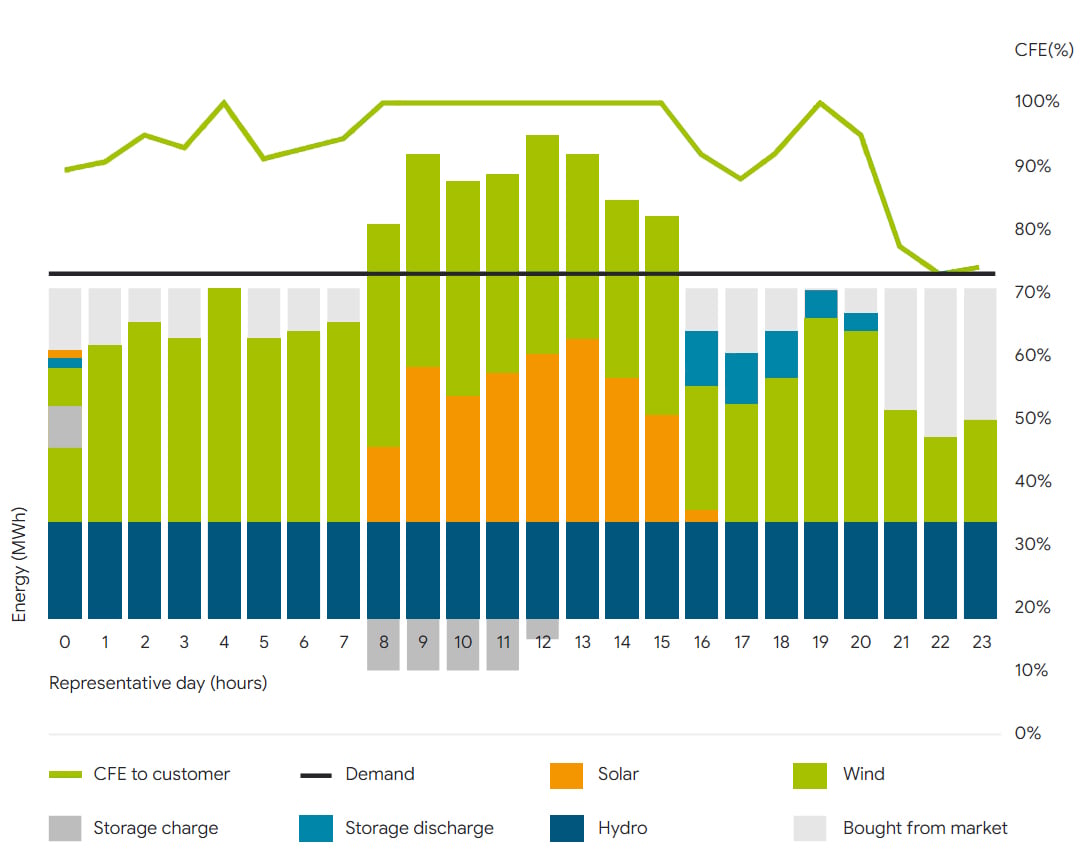
Adopting hourly matching as a practice in the data centre industry requires sophisticated monitoring and tracking systems that can provide real-time data on renewable energy generation, grid availability, and energy demand. With this information at hand, data centres can fine-tune their operations and adjust workload distribution, cooling systems, and power usage to maximise the utilisation of renewable energy while minimising reliance on fossil fuels. Optimising energy consumption based on this information is the next step for green energy data centres to minimise environmental impact while meeting energy demands.
As we conclude our exploration of sustainable data centre design and the remarkable world of green energy solutions, it becomes evident that we are stepping into a greener era of technology. The environmental concerns surrounding the exponential growth of data centres have spurred the development of innovative strategies and technologies that prioritise energy efficiency and reduce carbon footprints. Embracing sustainable practices in data centre design and operations is not only crucial for mitigating the environmental impact but also for shaping a more environmentally conscious digital future.
By adopting a holistic approach to energy usage, green energy data centres strive to minimise energy consumption and maximise efficiency. If you have any questions or would like to learn more about designing green energy data centres, our team of experts is here to help. Feel free to reach out to us for further information, guidance, or assistance in implementing sustainable practices in your data centre operations. Together, we can work towards creating a greener and more sustainable technology landscape.