What is Building Information Modelling?
In the world of construction and infrastructure, innovation is the keyword. Building Information Modelling (BIM) represents a digital innovation which is significantly changing the way projects are scheduled, designed, managed and analysed.
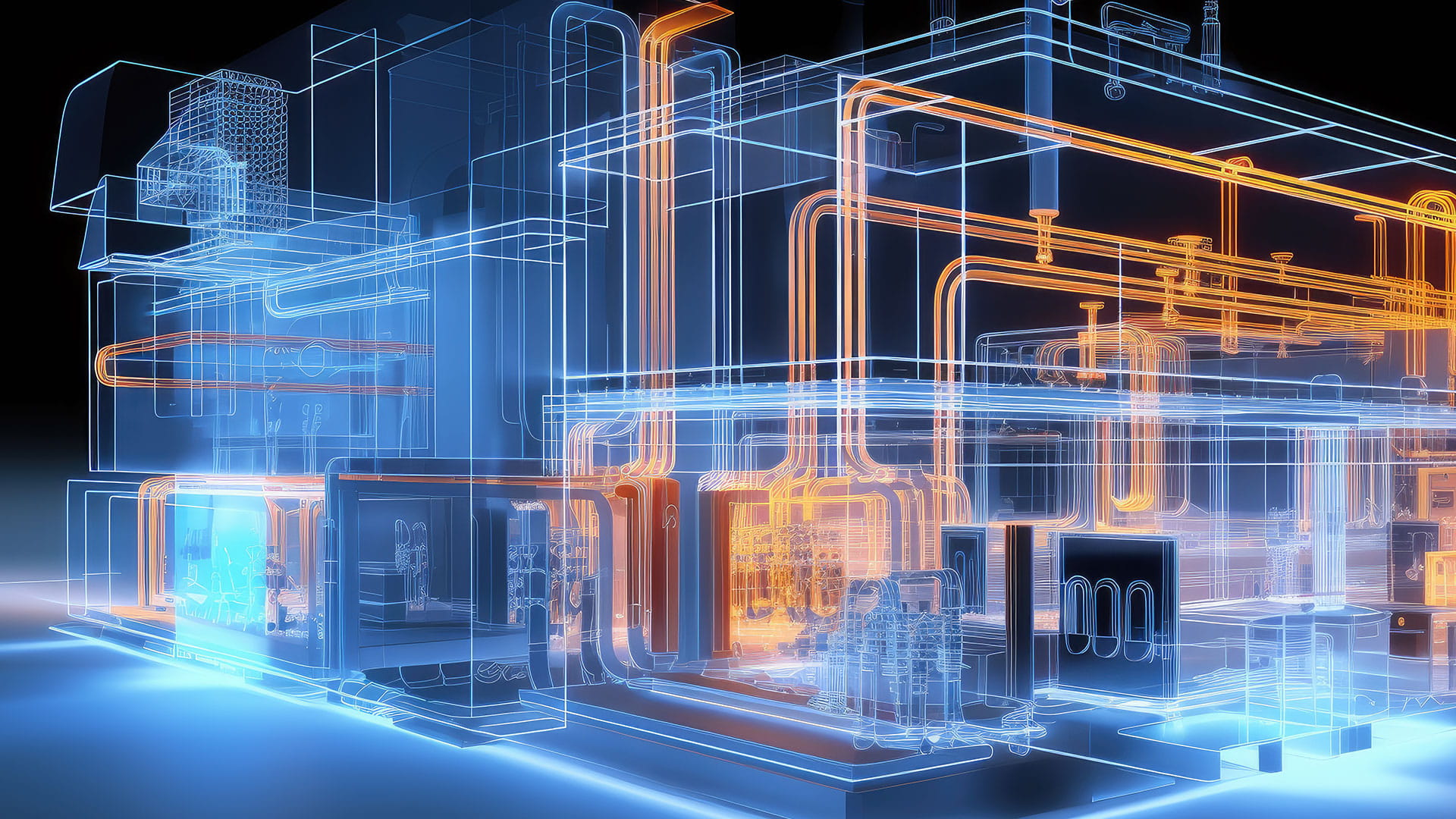
This advanced digital method records both the physical and functional characteristics of a building project and provides a vivid 3D representation of a project. For this blog we were given the opportunity to talk to Erik Snip, Global BIM Lead at Haskoning. Together with him we examine BIM in more detail, investigate the benefits and challenges and assess the impact on the Dutch construction sector.
BIM: more than visualisation
BIM goes beyond just visualisation. It is a holistic process that encourages cooperation between architects, engineers and builders. This integrated approach enables building professionals to work efficiently, identify potential problems at an early stage and ensure a smoother and more cost-effective construction process. The transition from traditional 2D drawings to 3D modelling using BIM has radically changed the construction sector and has facilitated a more integrated and collaborative approach.The benefits of BIM
The technology behind BIM is helping to make the construction process more efficient by enabling detailed scheduling and visualisation. Instead of relying on 2D drawings, building professionals can now use BIM to create detailed 3D models. These models provide a realistic picture of the expected end products, thereby giving clients a clear insight in advance via virtual tours. This enhances the level of confidence in both the construction process and the ultimate result.BIM also stimulates cooperation and efficiency because all the parties involved have access to the same model and the same information and this leads to less miscommunication, faster decision-making and a smoother construction process. The early identification of problems during the design phase is a crucial benefit because it prevents expensive and time-consuming changes during the construction phase, thereby generating considerable cost savings.
Construction professionals can create efficient designs by analysing things like building orientation, insulation and the choice of heating and cooling systems.
Stimulating cooperation and transformation
BIM brings together professionals from various specialist fields, such as architecture, engineering and construction, and encourages them to share knowledge and insights. This is a golden opportunity because BIM is more than a 3D modelling tool. Instead it is a process that intensifies the cooperation and communication between various teams and disciplines. This, in turn, allows professionals to broaden their perspective, gain an insight into the role and contribution of other disciplines to the construction project and work together more effectively. The result is a deeper understanding and more robust cooperation between architects, engineers and builders, and that is crucial for the success of BIM projects. It breaks down the traditional silo mentality and encourages an integrated and cooperative approach.Although the implementation of the software can require organisational changes in some cases, it is important to emphasise that not every company has to undergo a complete transformation. Companies which already have a culture of cooperation and communication will notice that the transition to BIM is smoother and more natural. In these instances management still plays an active and supportive role, with an emphasis on reinforcing the existing cooperation and communication structures within the company.
Various professionals are involved in the implementation of BIM, for example engineers and lead engineers. In this context cooperation is the key to success. Access to the right BIM software, standardised libraries and templates is essential and forms the operational basis for the BIM process. With these resources and a joint effort, the implementation of BIM is undoubtedly going to be a success.
BIM in the Netherlands and at Haskoning
BIM is gaining in popularity in the Netherlands and is being used more and more frequently in construction projects, ranging from extensive infrastructure works to smaller building initiatives. The Dutch government recognises the value of BIM and is actively promoting its use by integrating it into the tender criteria applicable to public construction projects. One important development in the world of BIM is the introduction of the ISO-19650 international standard which is providing uniformity and guarantees quality in BIM projects around the globe. Haskoning is proud of being accredited for this standard because it reflects our dedication to excellence and quality in BIM-integrated projects.At Haskoning innovation is key and this is clearly visible in our approach. We are integrating BIM not only as a technological tool, but are also embracing it as a holistic process that is innovating the way we design, build and operate. In 2023, we committed to a partnership with Studio IN-EX in Hungary which is intended to enable us to use BIM even more successfully in our projects, while taking advantage of all the benefits of the ISO-19650 standard.
BIM is contributing to the realisation of innovative and sustainable solutions which meet the highest quality standards.
The future of BIM
BIM will continue to evolve in the future. It is not just about constructing 3D models, but also information management. Clients are starting to realise the importance of the information they supply for BIM, which is ultimately the springboard to effective information management throughout the entire life cycle of a building or infrastructure project.
If you would like to find out more about the implementation and benefits of BIM in your construction projects, please contact the experts for a detailed explanation and advice. Together we can work on creating more efficient, more sustainable and more integrated construction projects.