Getting started with circularity
Many organisations want to contribute to the transition towards a circular economy but struggle with where to begin. Where are the opportunities? And how do you move from ambition to tangible impact?
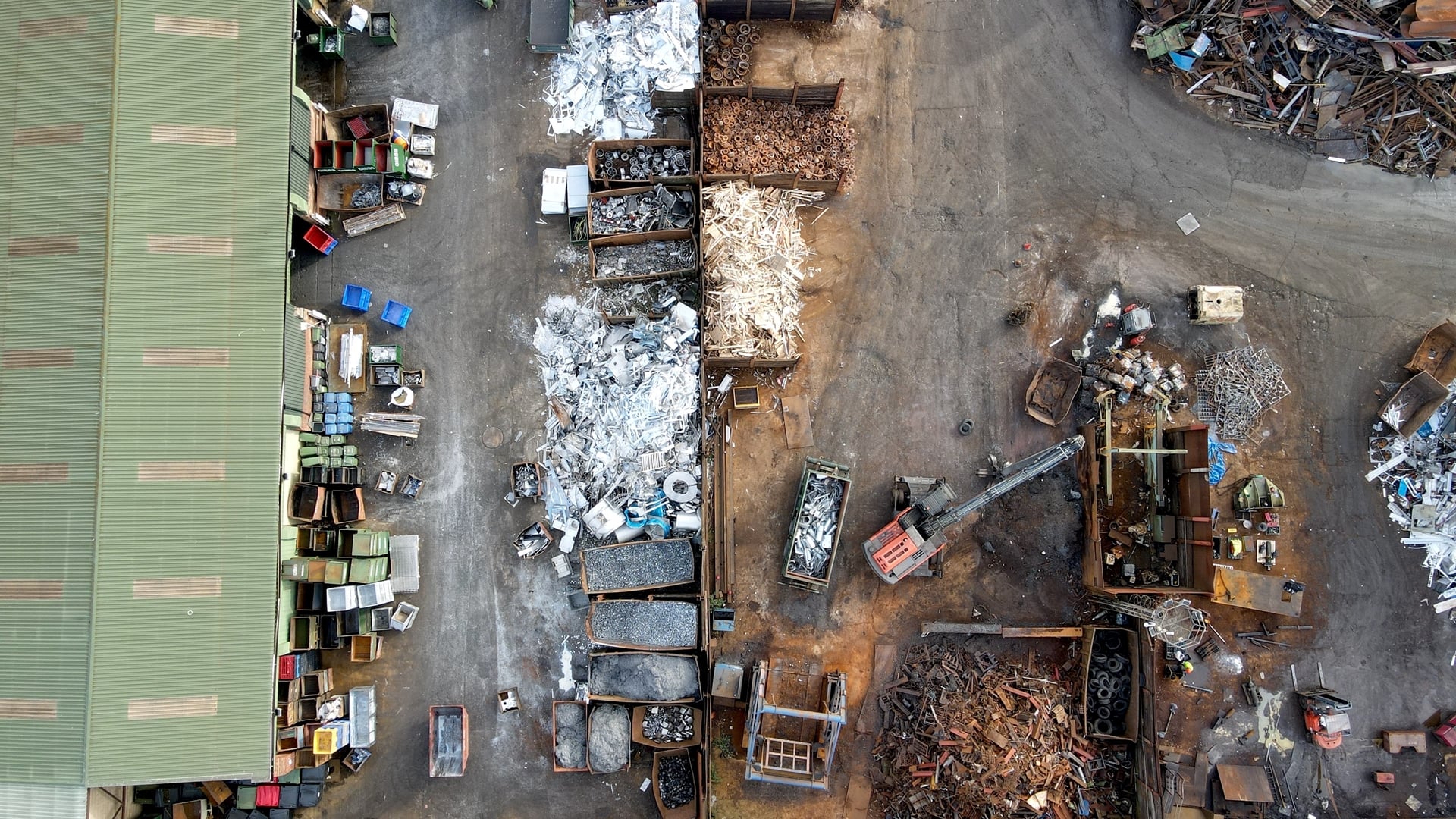
It starts with insights. By examining the organisation itself, the wider value chain and the surrounding environment, it becomes clear where circular opportunities are. Which raw materials are being used? What residual streams are generated? And where can these be reused? These insights create clear starting points for practical and high-potential circular solutions.
Making informed decisions
A powerful tool in this process is a Circular Atlas. It provides municipalities, regions and provinces with a clear understanding of which organisations are active, which processes take place and how material flows move through the system. This makes it possible to identify where residual materials become available and where they can gain new value – for example, when the residual output of one organisation becomes a valuable input for another.
Learning from circular projects and success stories
Haskoning is at the forefront of advising on and delivering circular economy projects. We bring together clients and partners, share knowledge and turn circular ambitions into reality step by step. For example, together with Rijkswaterstaat, we are developing circular bridges, viaducts and locks. These assets can be built using components that can be reused after decommissioning. One of the key lessons from this project is that circular design is strongly influenced by context. Rather than designing a generic circular bridge, viaduct or lock, it is often more effective to design these assets based on future scenarios.

One circular office concept for ABN AMRO
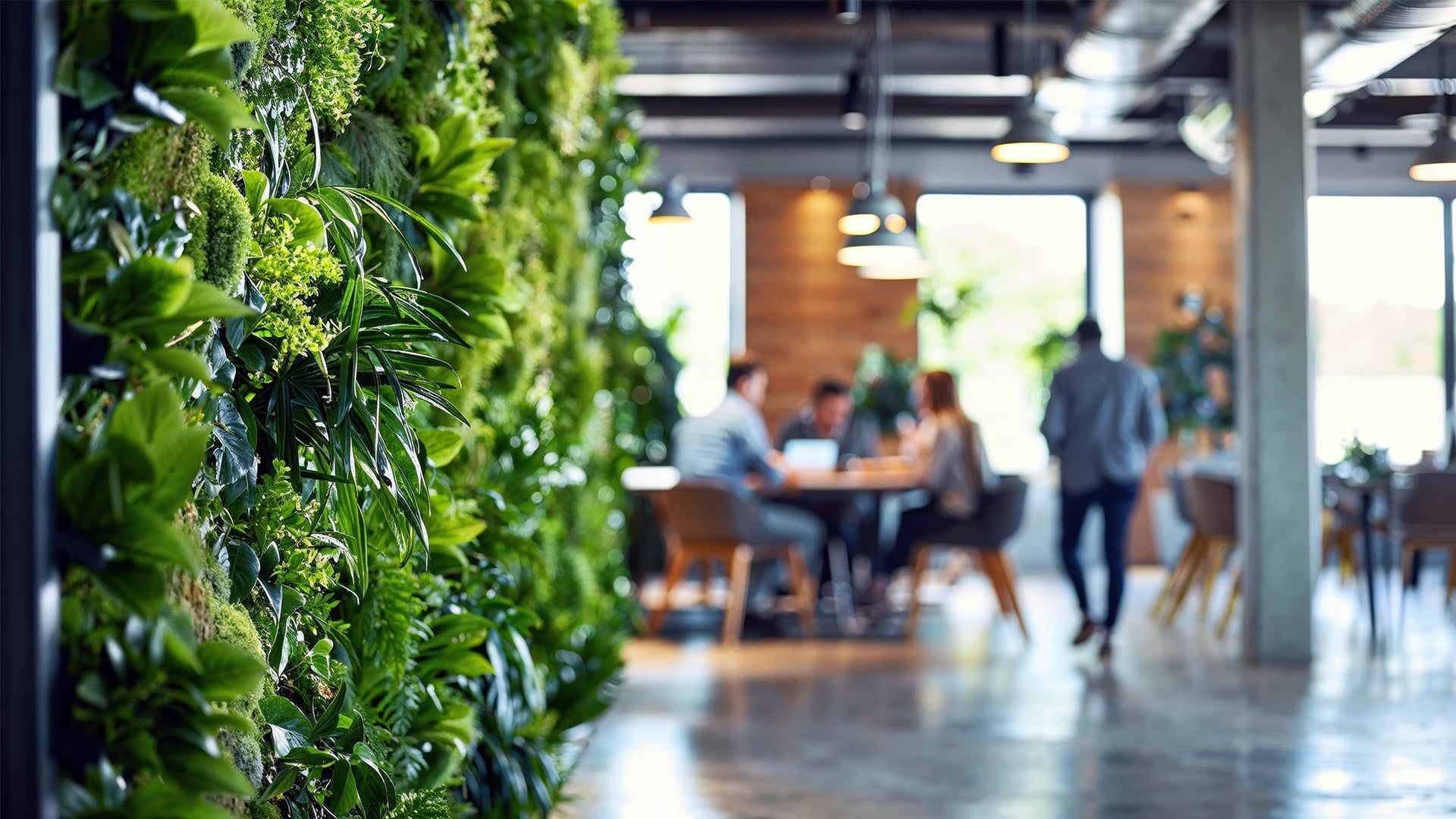
ABN AMRO is developing a recognisable and circular office concept for all its branches. We refined the interior design concept, brought together new and existing building blocks within a central database and linked them to a 3D design tool. This enables the bank to fit out every office efficiently while maximising material reuse.The refurbishment programme began in the second quarter of 2025. Many items of furniture are being given a second life through refurbishment and reupholstering. The central database also makes it easier for offices to exchange materials and knowledge. This new approach creates a sustainable and consistent look and feel across all ABN AMRO offices while making circular working practices scalable throughout the organisation.
Ready to make the transition to circularity?
The transition to a circular economy can only succeed through collaboration. By inspiring, informing and constructively challenging one another, we can accelerate positive societal impact and embed circular thinking and behaviour more widely. We welcome your questions, challenges and ideas. Get in touch for an introductory conversation with one of our circularity experts.

Looking to advanceyour circular economy ambitions?
Our advisors are here to help!